


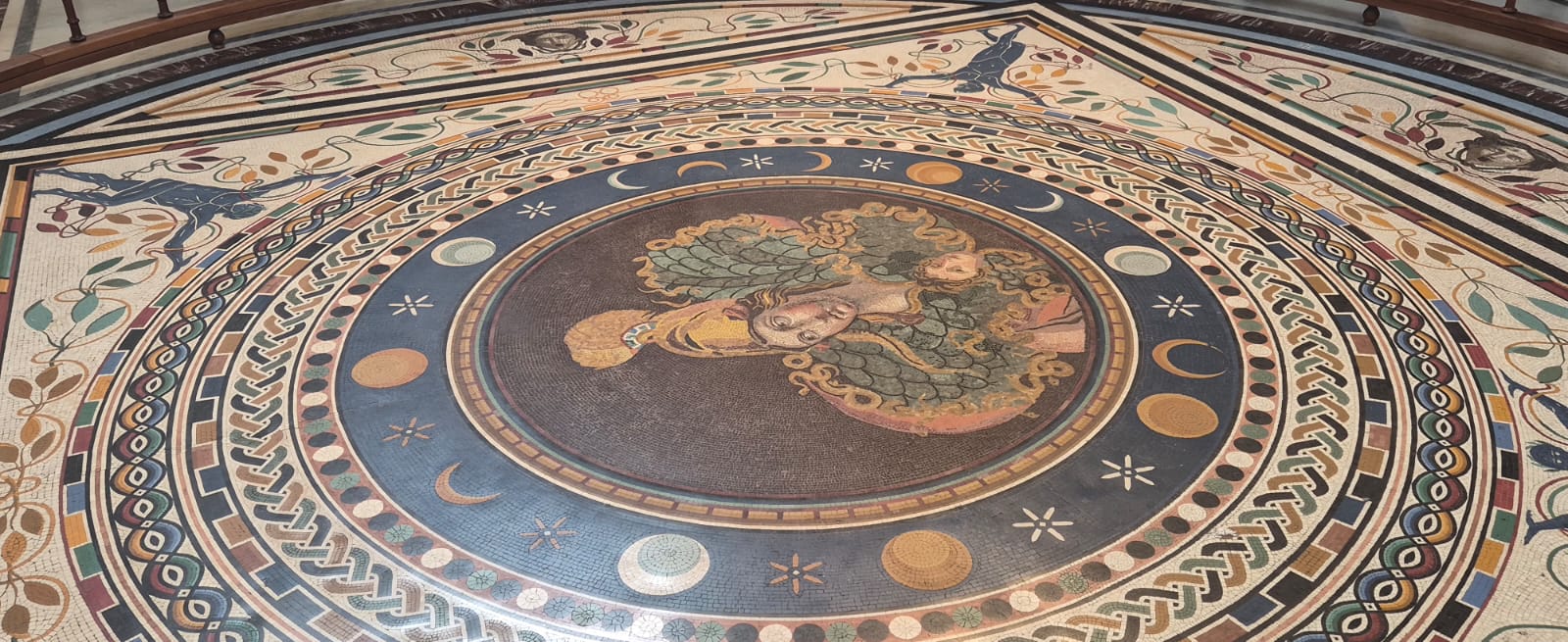


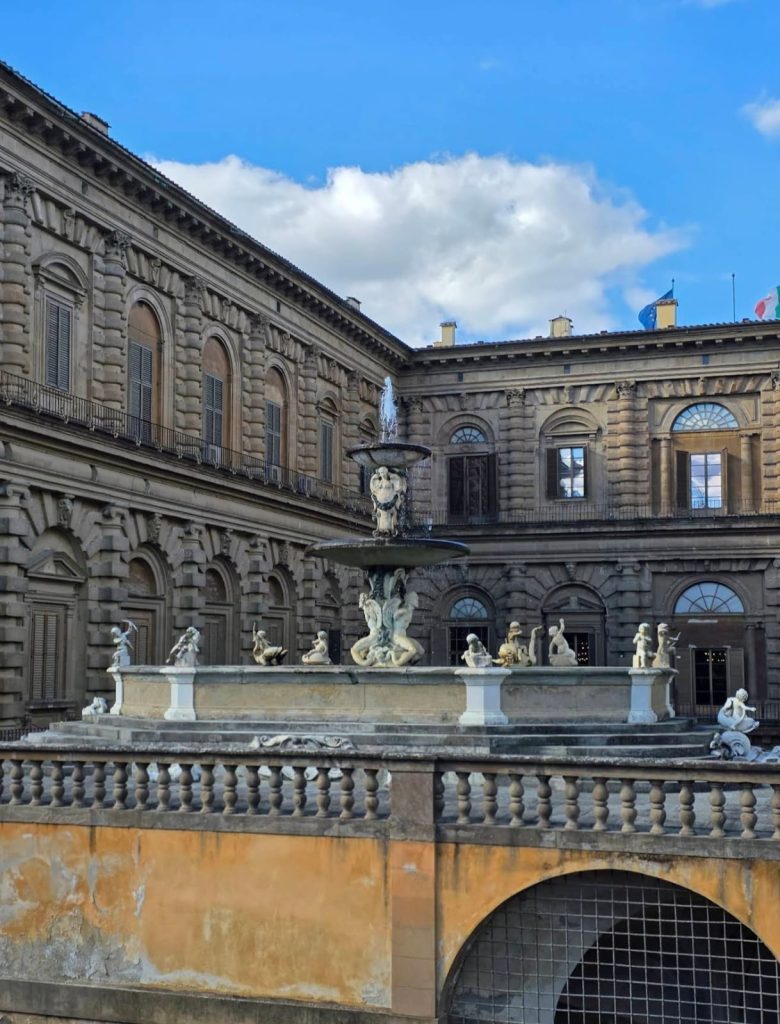
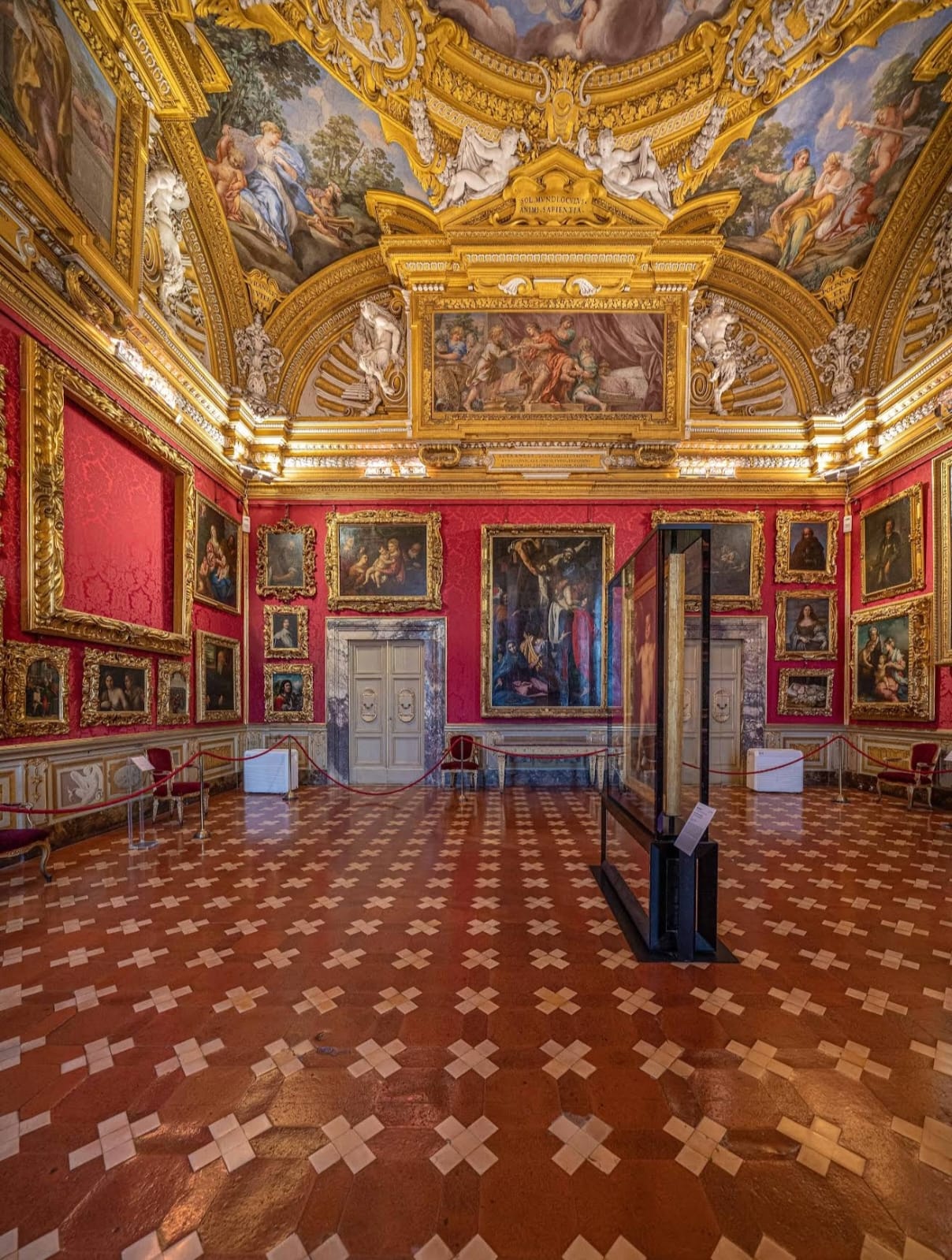
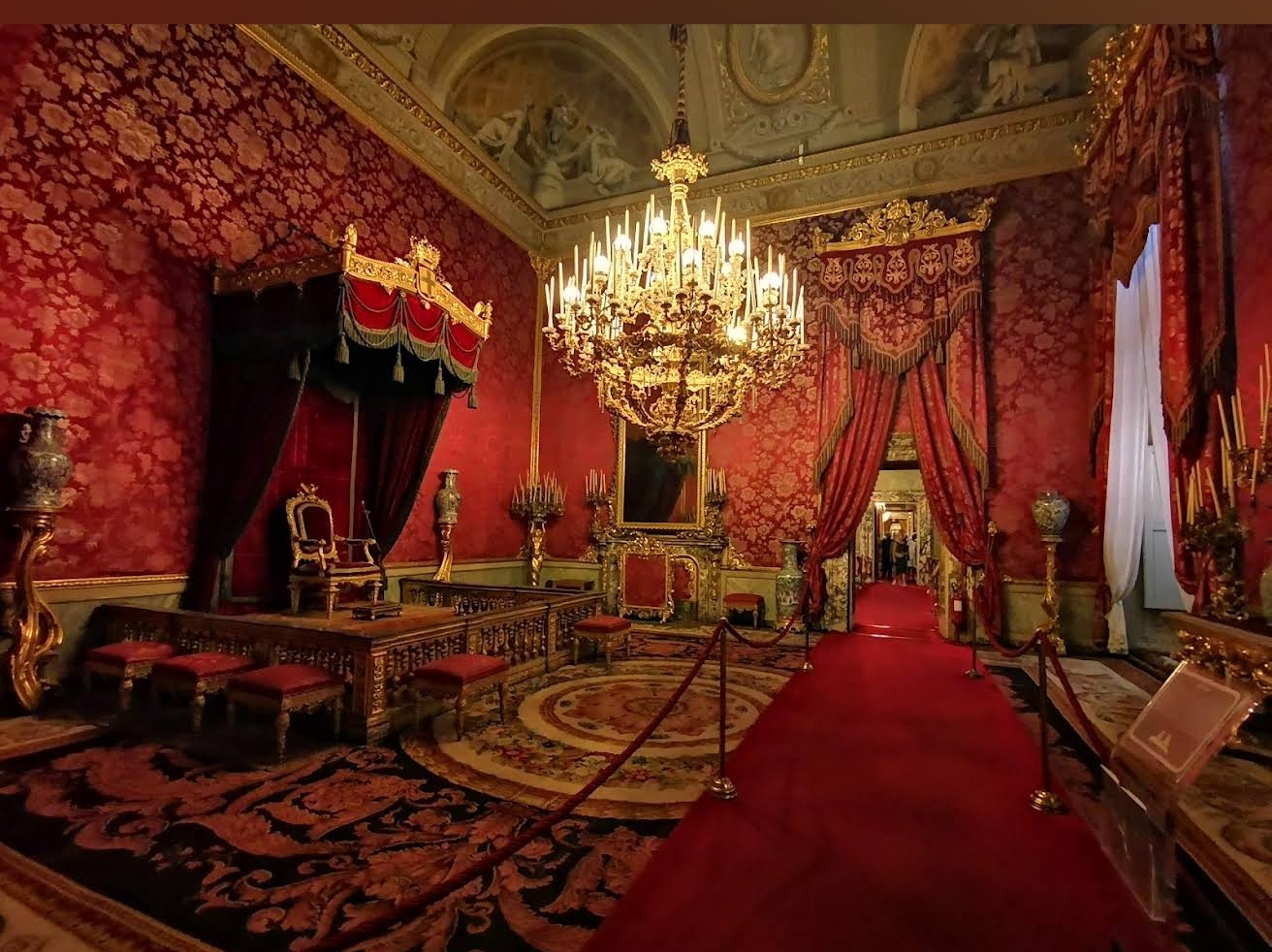
We walk through halls that preserve an extraordinary art collection, letting each space reveal the political and cultural role this residence played. We are not passive observers, but part of a narrative that connects the palace with the family that chose it as a symbol of authority.
As we move through corridors, furnishings and works of art, we focus on the coherence of the whole project: the residence as a symbolic device, the collection as an instrument of representation. We observe how the interiors were designed to impress and communicate authority, and how every display choice responded to a wider desire to define image and memory. Palazzo Pitti is therefore not only a container of masterpieces, but a protagonist in a cultural strategy that asserted the Medici presence in the city and across time.
After visiting the palace, we continue to the magnificent Boboli Gardens, first developed in 1549 under Grand Duke Cosimo I. We walk among terraces, sculptures and panoramic views over Florence. The garden becomes an open-air continuation of the same representational intention encountered inside the palace. Here, nature is organised, shaped and transformed into a stage of power; paths, small squares and viewpoints are designed to create strategic perspectives and suggest a presence that dominates the landscape.
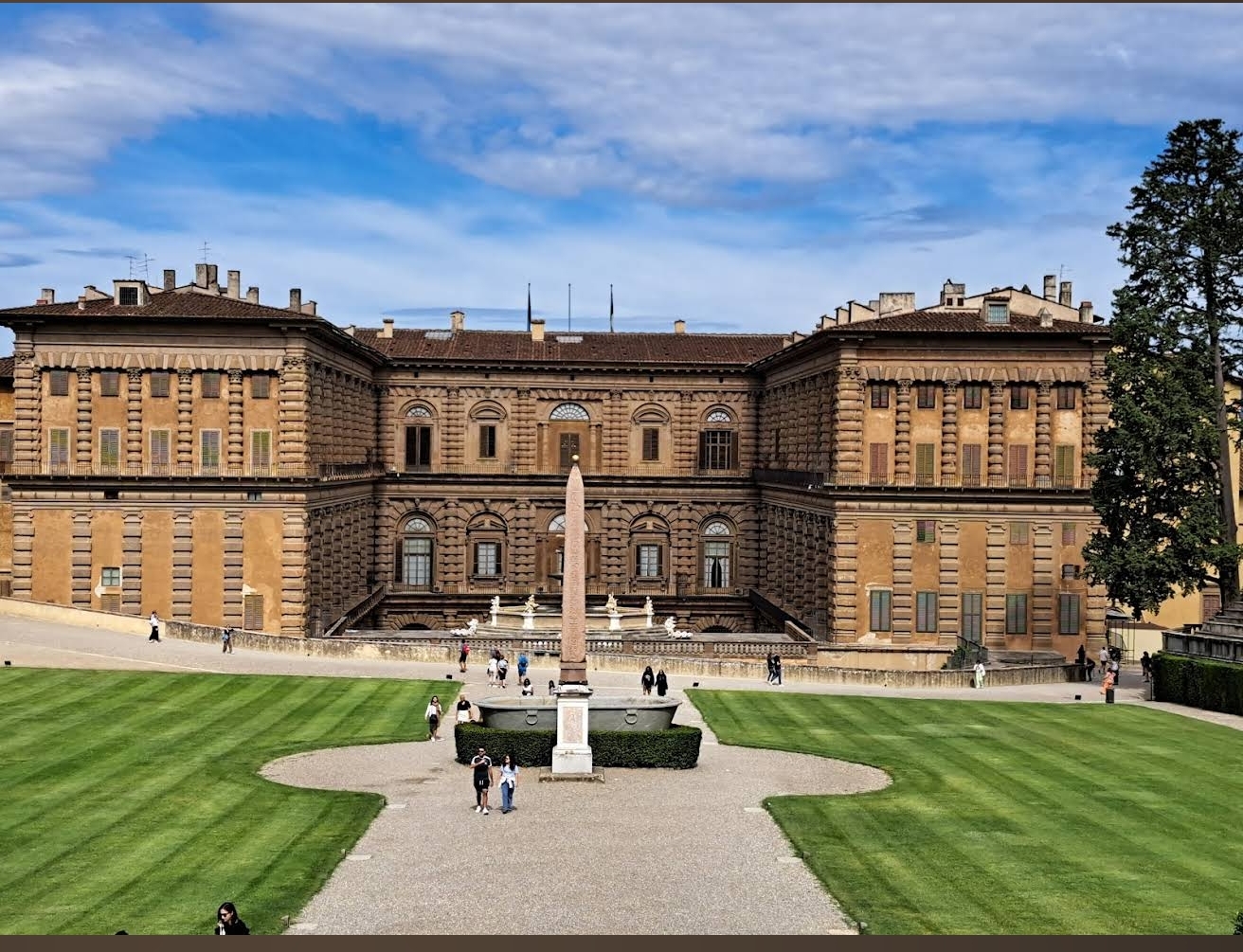
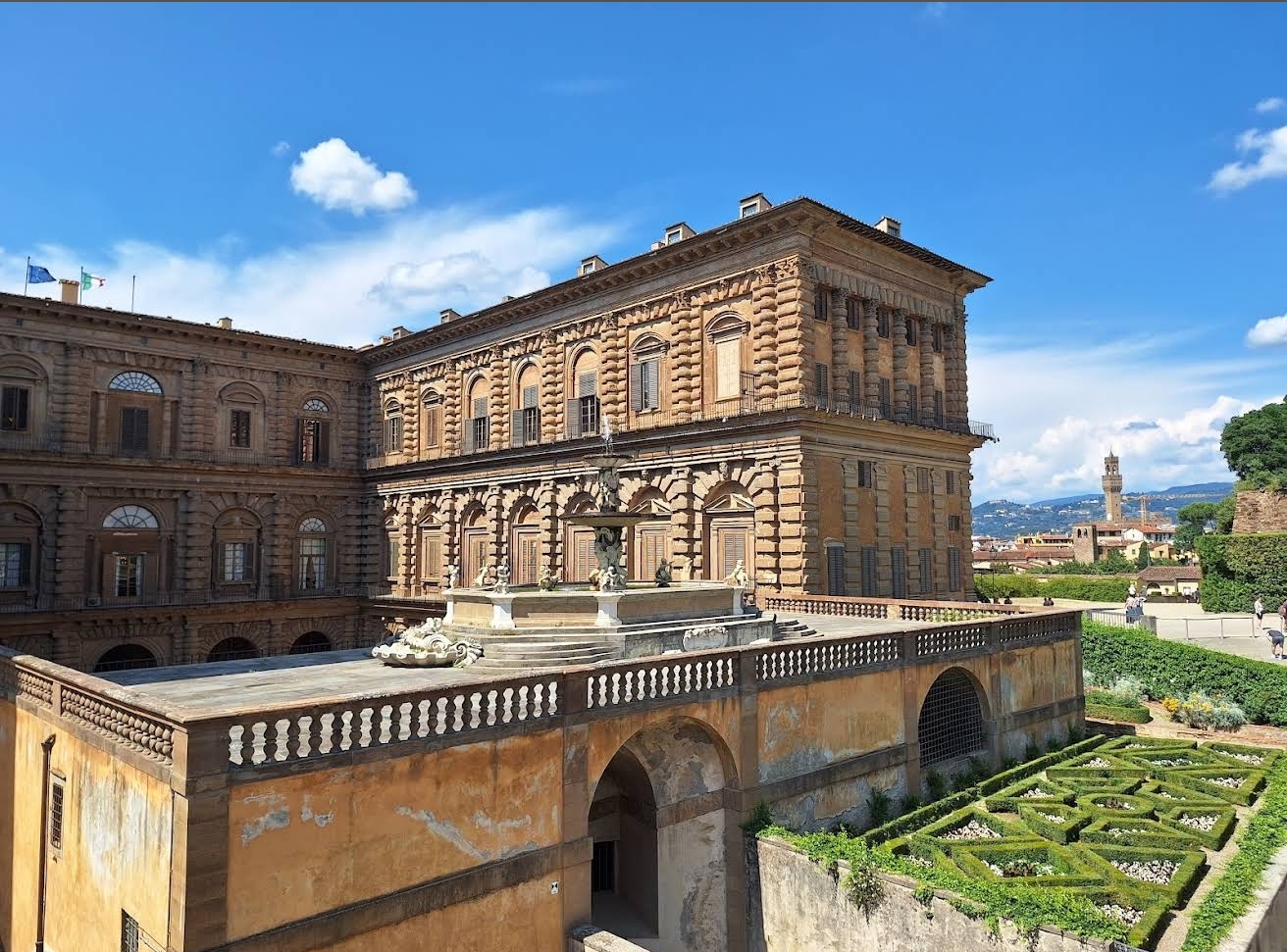
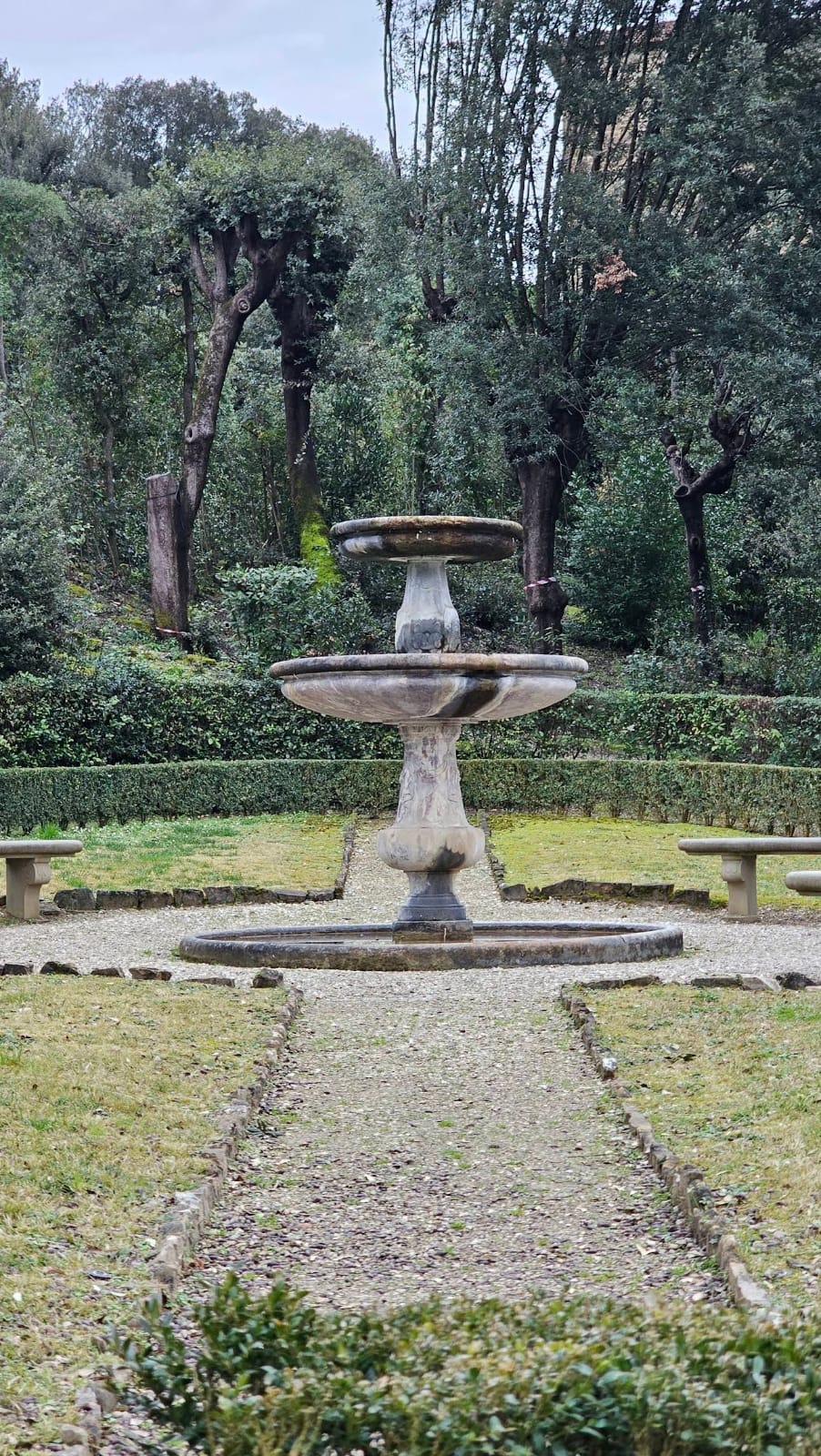
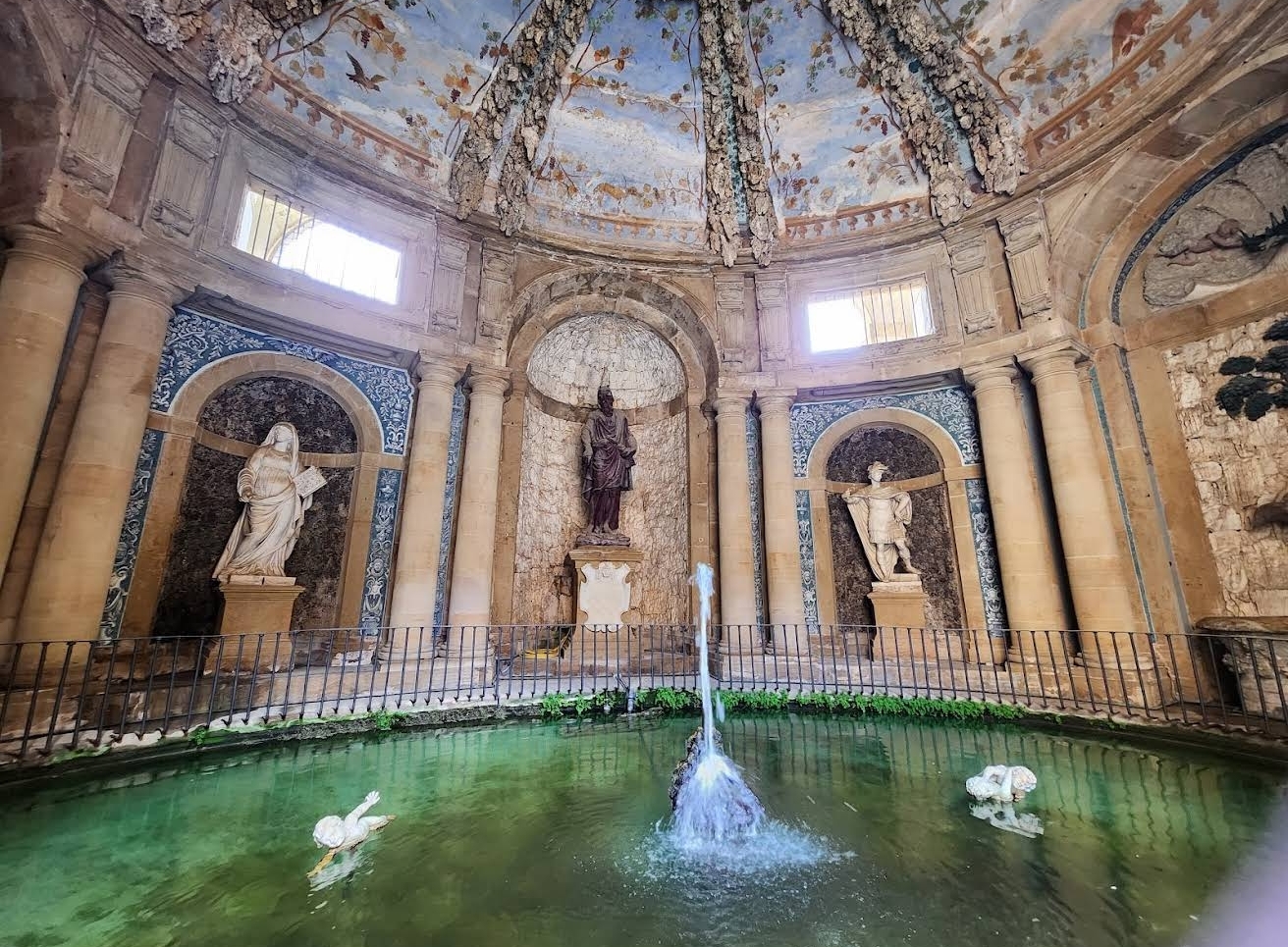
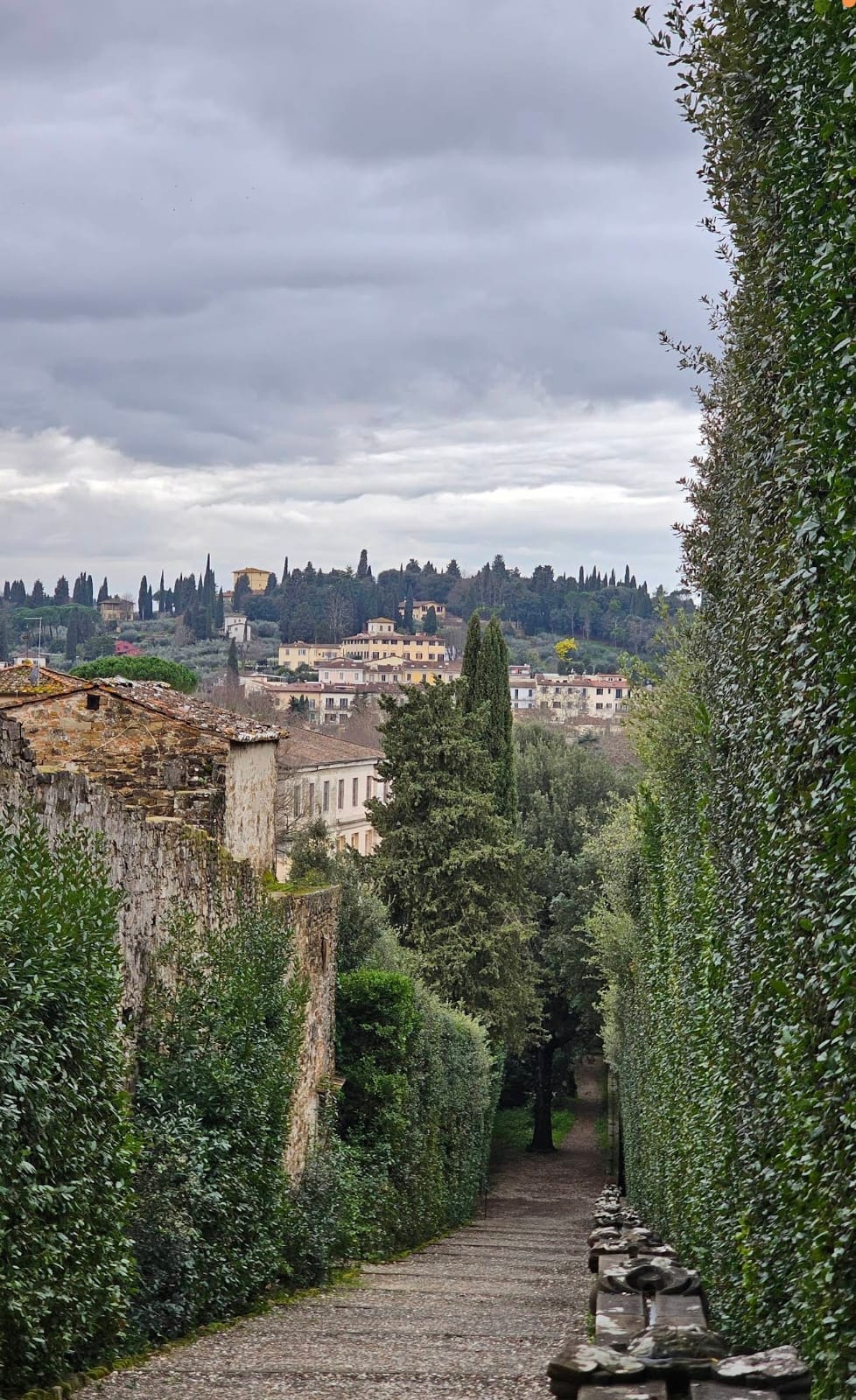
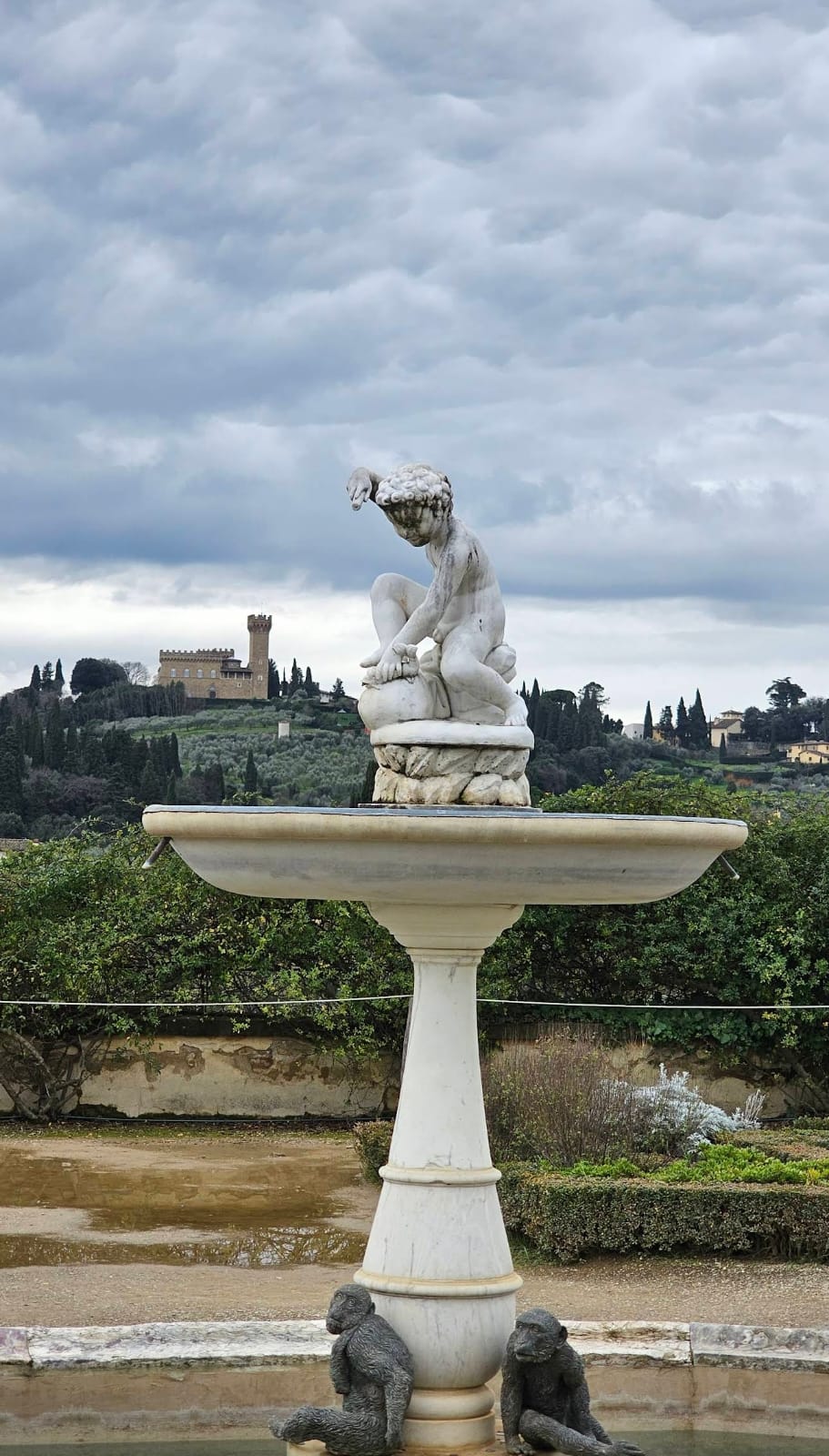
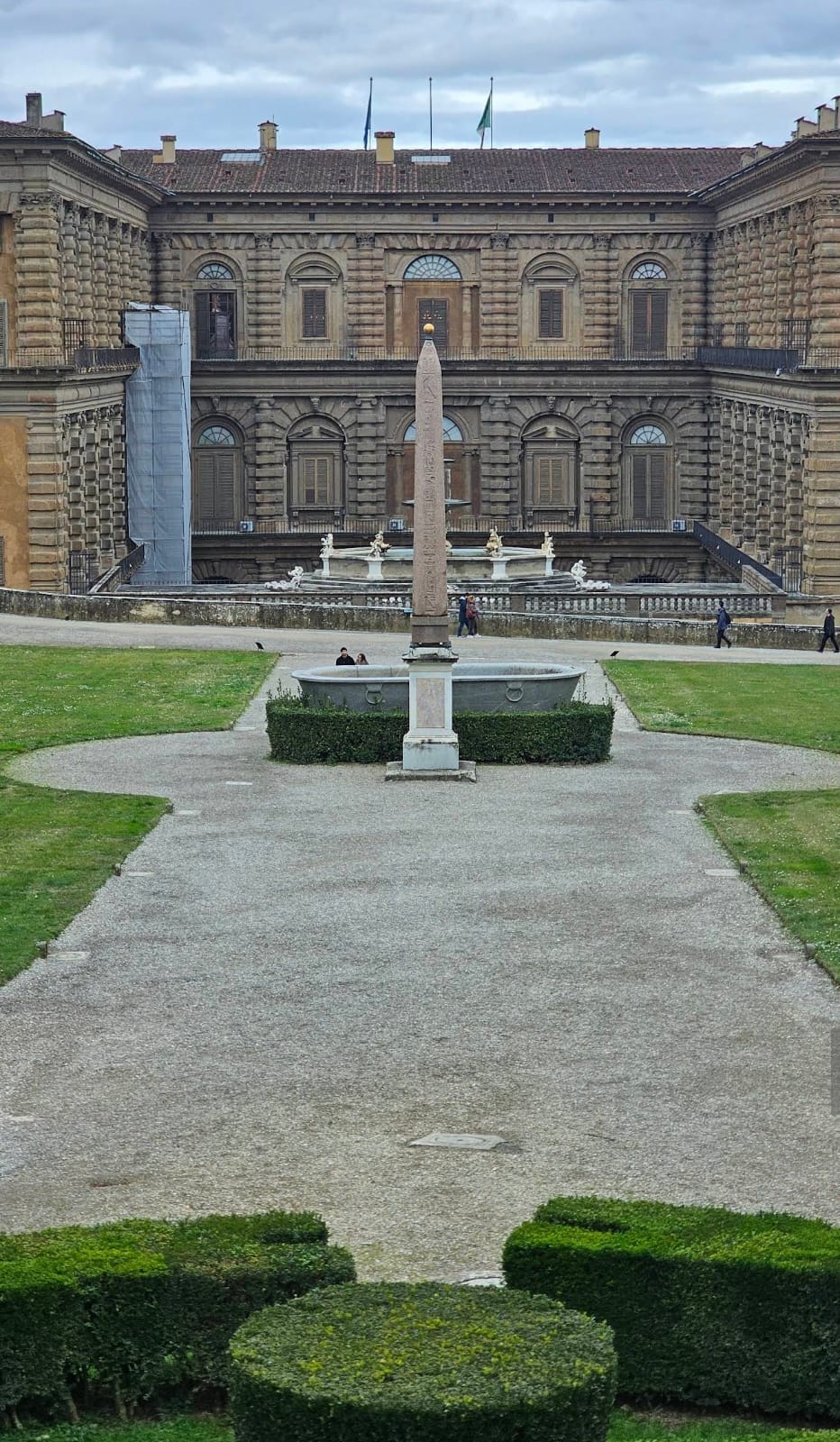
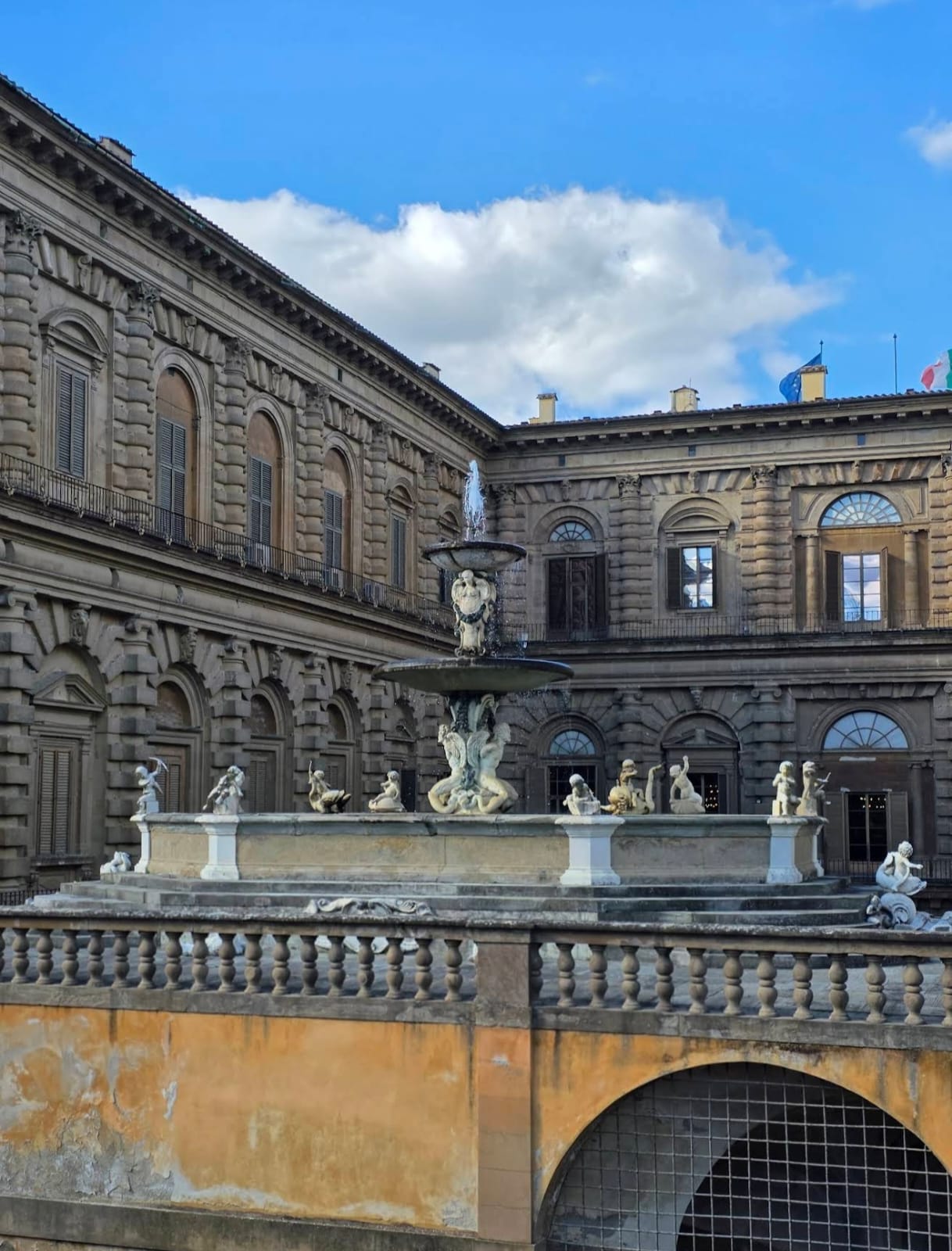
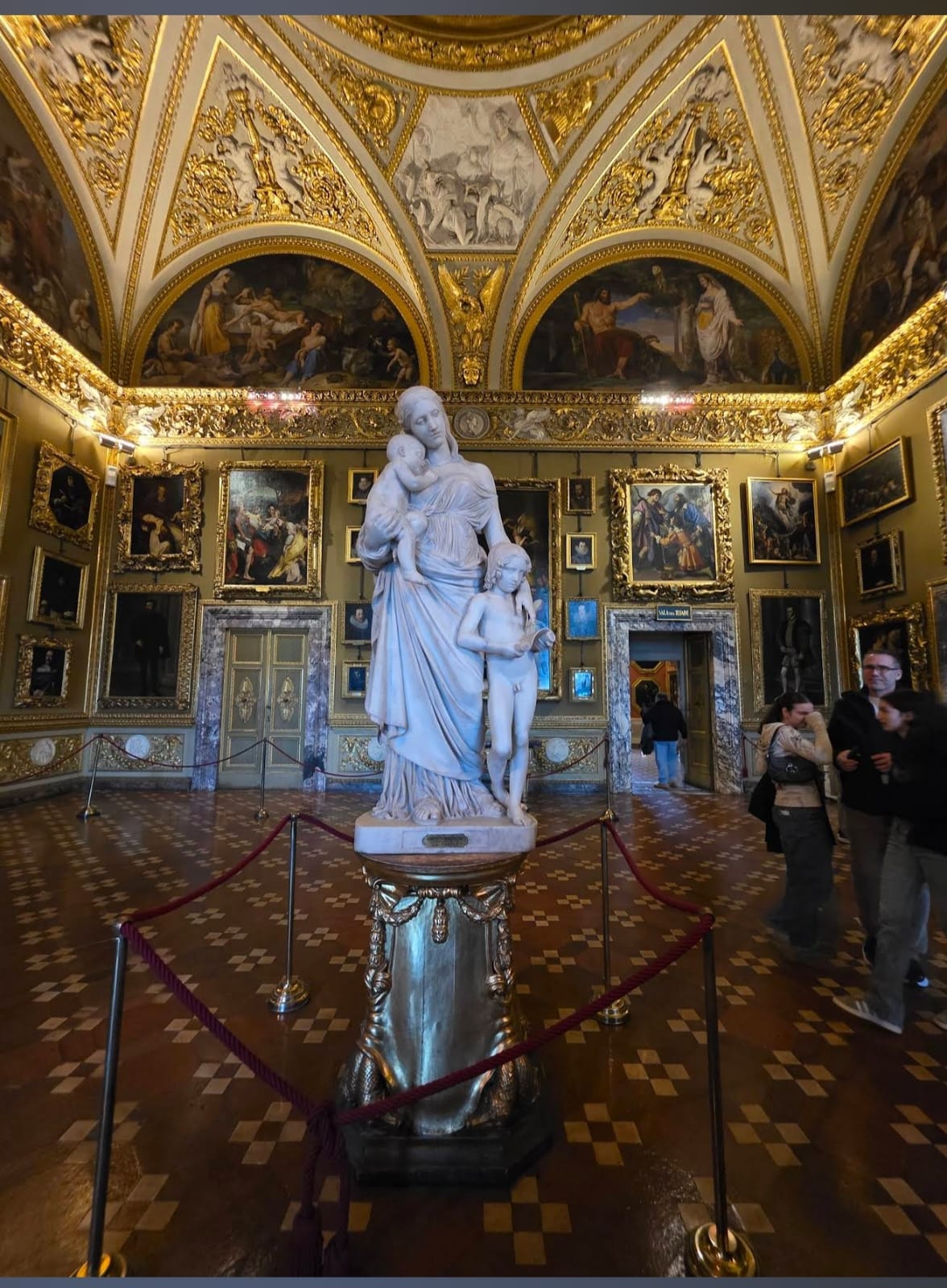
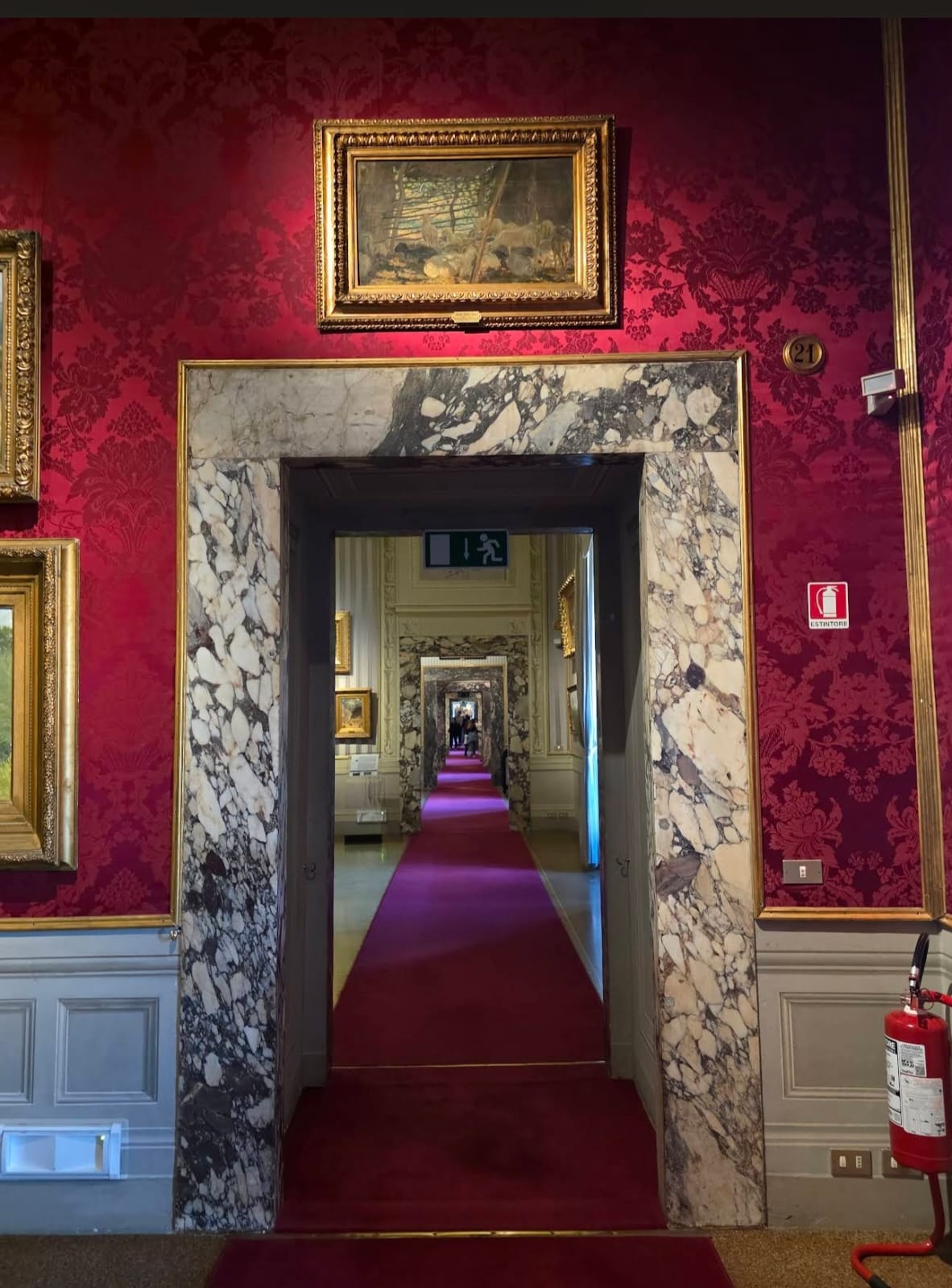
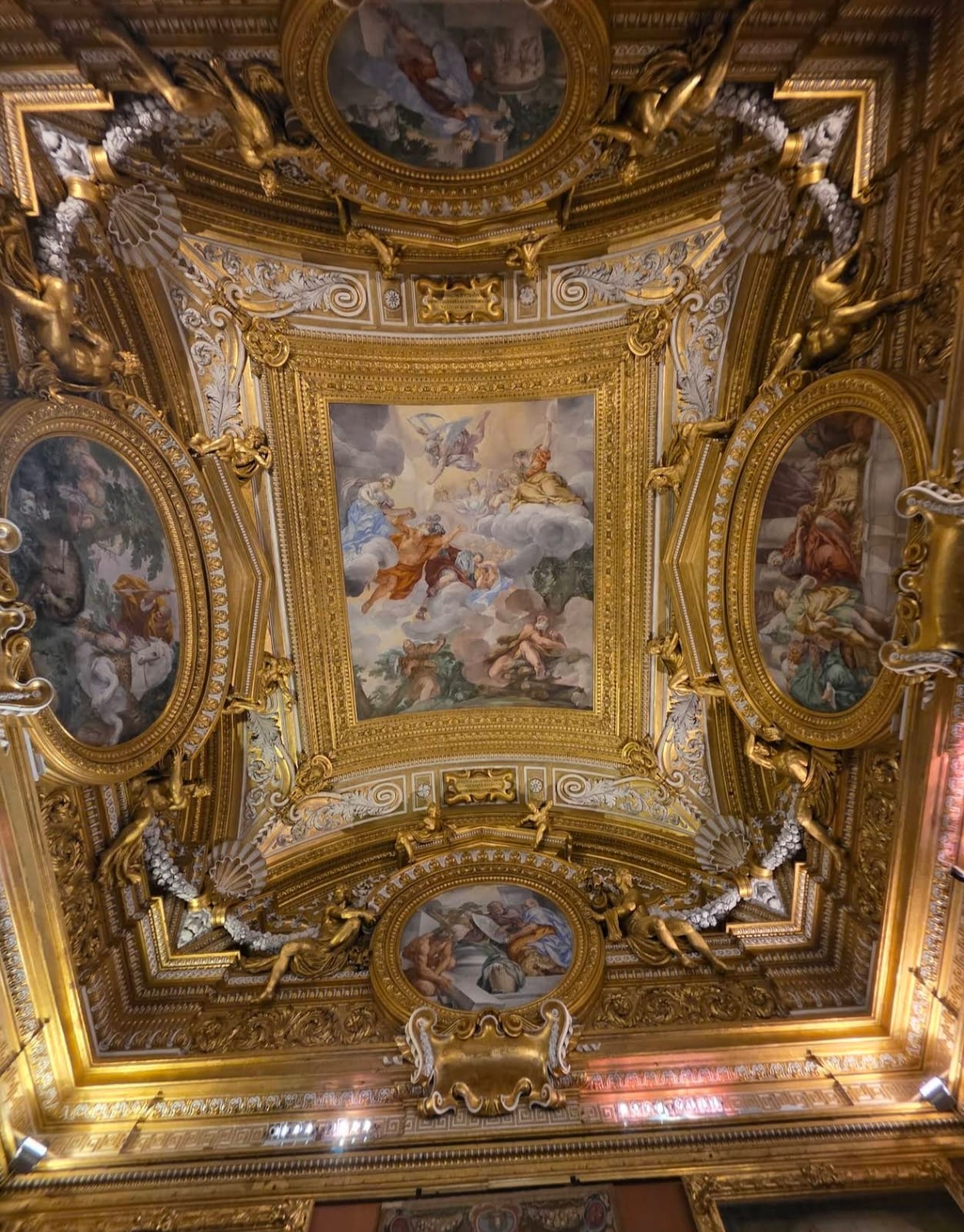
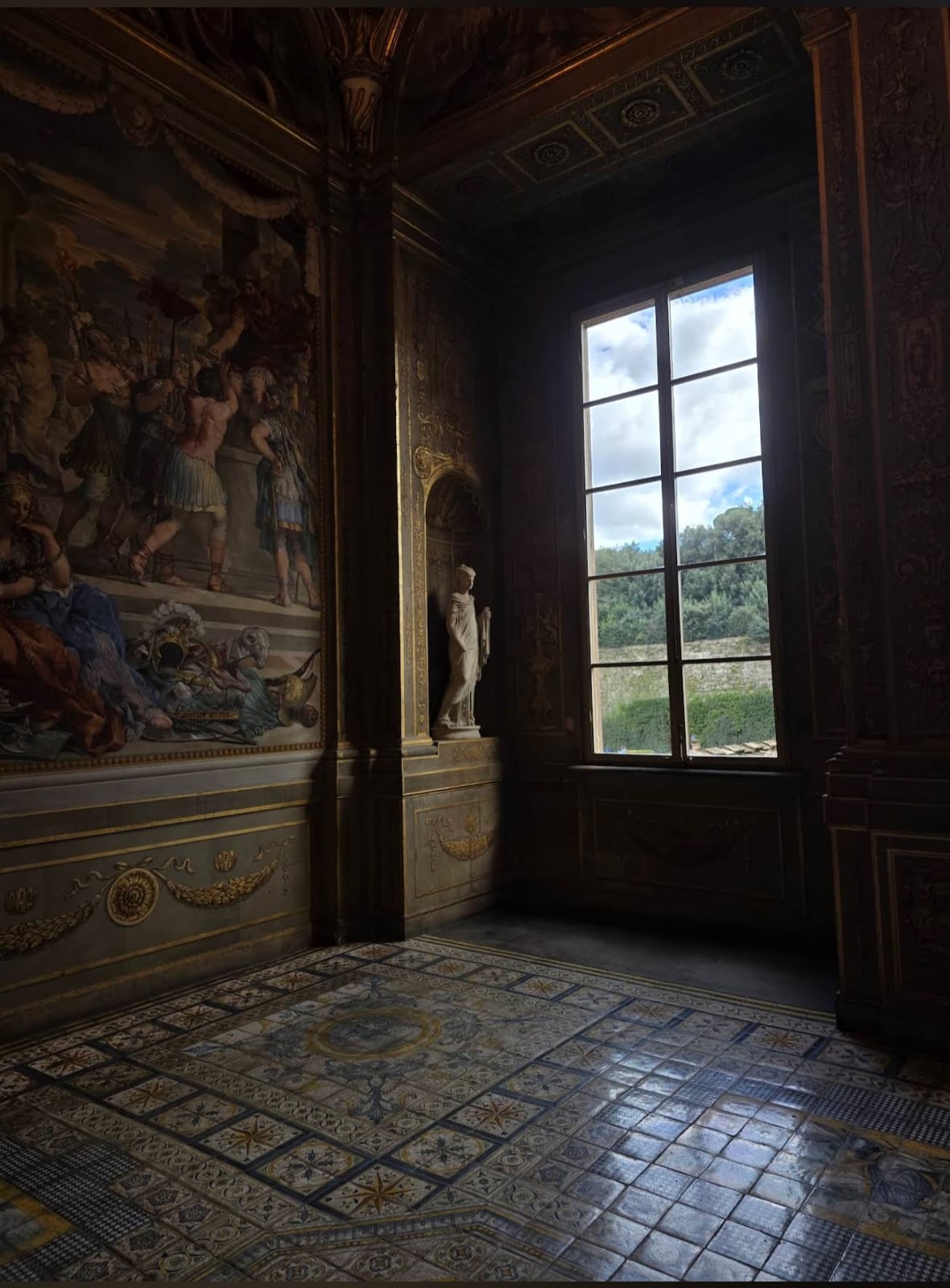
In the garden, we pay close attention to the terraces that structure the route and to the sculptures that mark focal points for pause and reflection. These works are not isolated decorative elements, but parts of a broader composition that speaks of order, control and beauty as an expression of authority. The views that open unexpectedly as we climb create moments of connection between the green space and the city, allowing us to read the garden as a cultural project as well as a place of pleasure.
We also remember that the garden was created on land once occupied by an ancient quarry: stone extracted from this area was used for the palace itself. This detail helps us connect interior and exterior, material and form, construction and landscape. We sense the physical continuity between the resources of the territory and the architecture that emerged from them, understanding how every stone tells a story of transformation and appropriation of the land for representational purposes.
Together we discuss the meaning of these spatial choices: how garden and palace respond to one another, how sculptures and terraces dialogue with the city below, and how the entire complex becomes a declaration of the Medici vision. Our aim is not to provide encyclopaedic notes, but to offer a complete experience: to feel power expressed through space and to recognise the tension between aesthetic function and symbolic function.
At the end of the route, we pause to contemplate one of the finest views and absorb the unity of purpose between architecture and landscape. For those who wish to enrich the experience, an optional extension can include the Duomo Complex - Cathedral, Baptistery, Museum and Bell Tower - with the possibility of climbing one of the monuments. In this way, Palazzo Pitti and Boboli can be connected with another dimension of the city, completing an itinerary that links residence, garden and the religious and civic symbols of grand-ducal Florence.
We conclude the tour with the feeling of having crossed not only places, but intentions. Palazzo Pitti and the Boboli Gardens are not simply attractions, but pages of a project where art, architecture and landscape combine to tell the vision of a family and its ability to transform the territory into a lasting sign of power.