


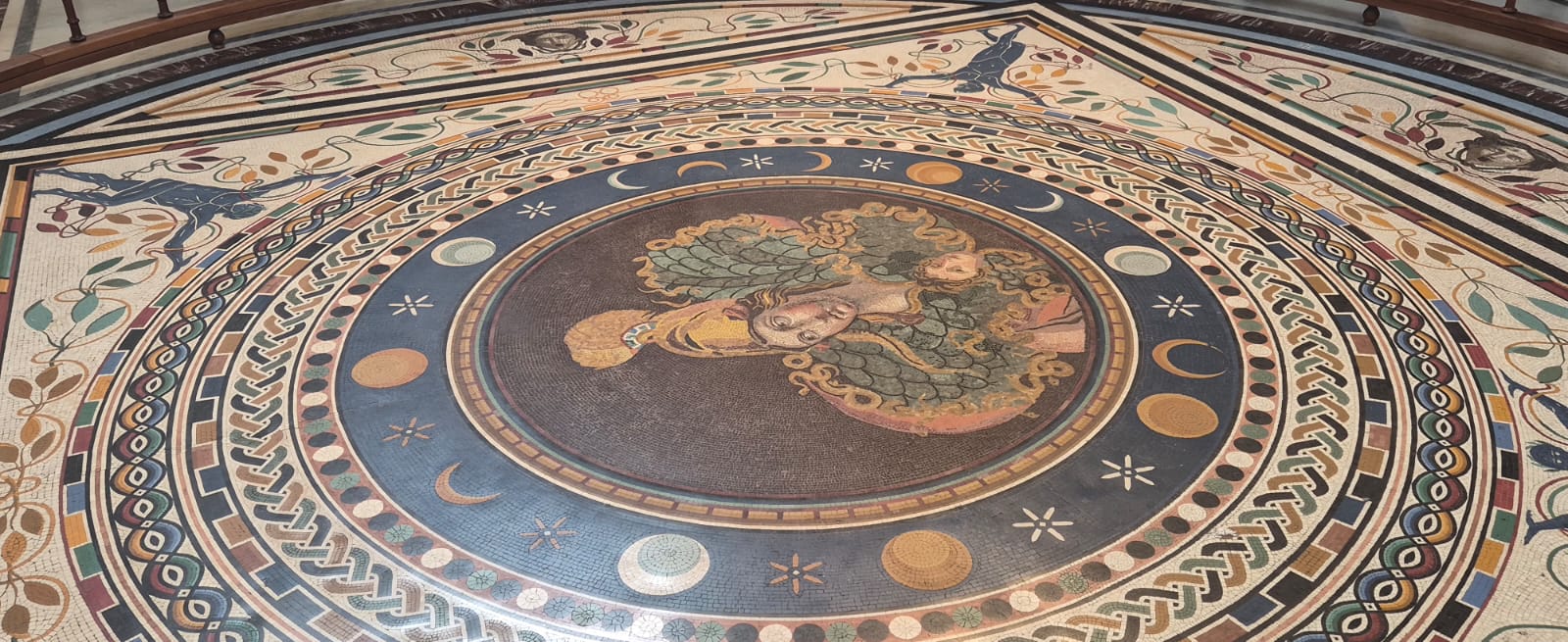


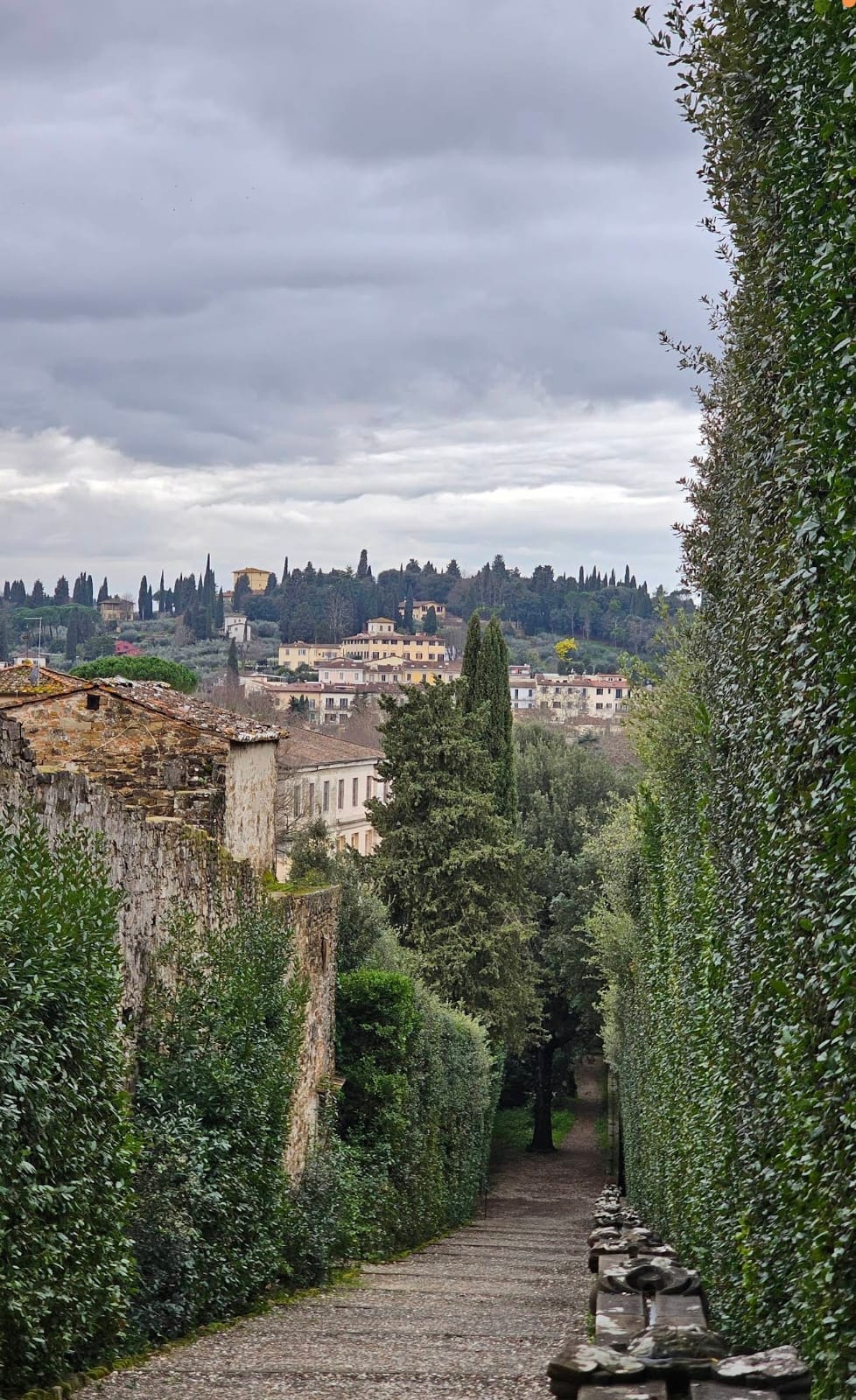
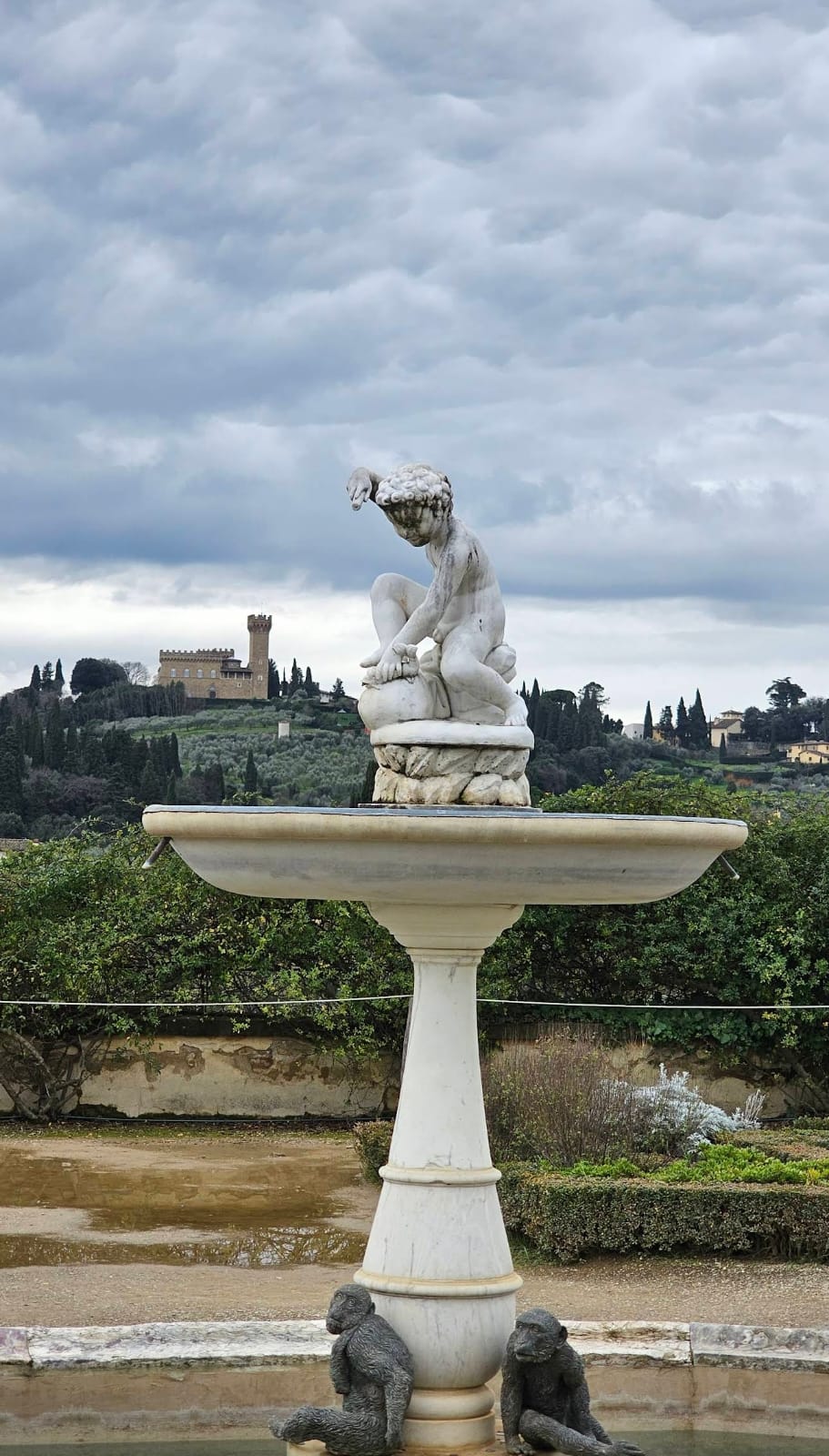
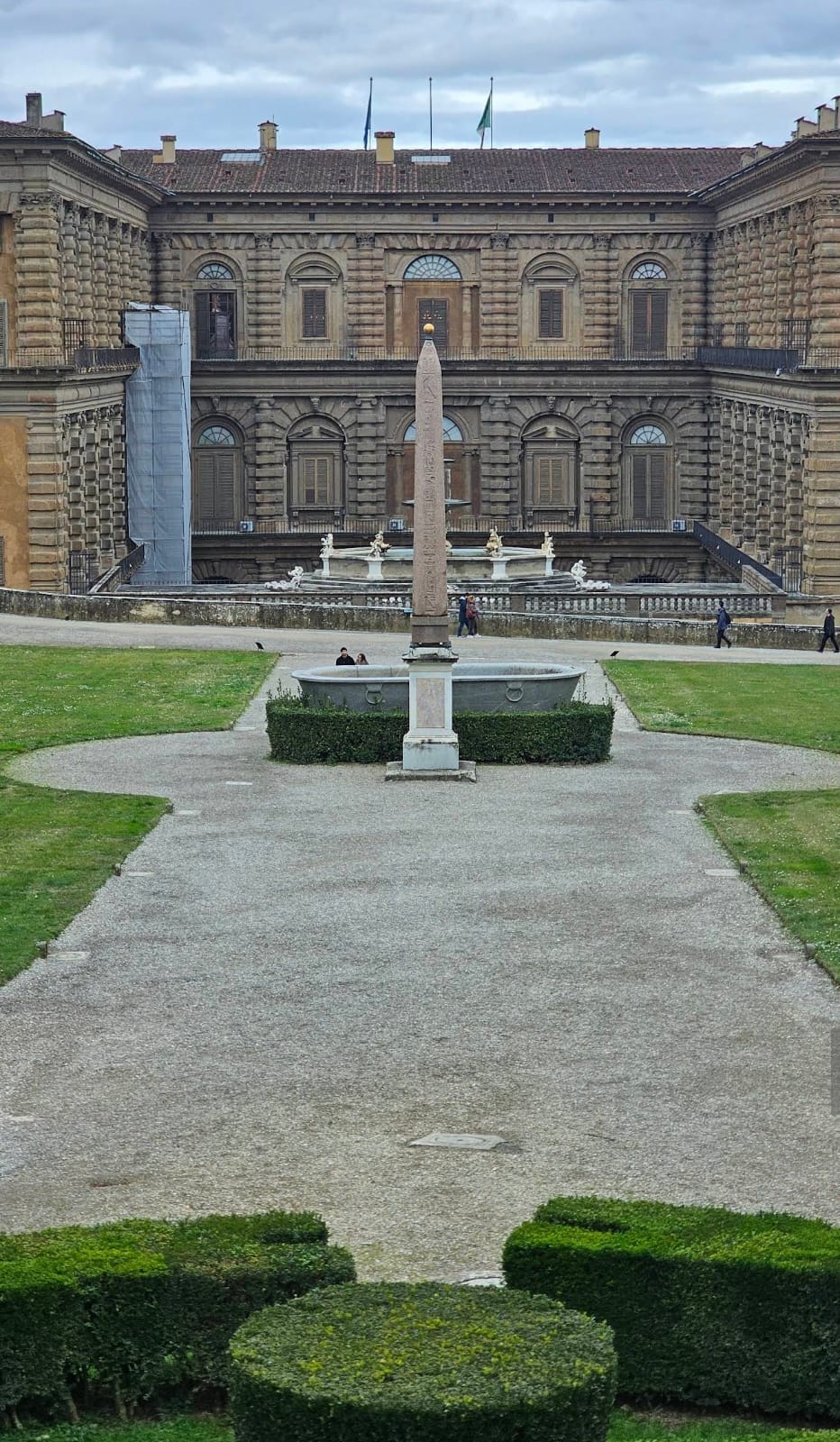
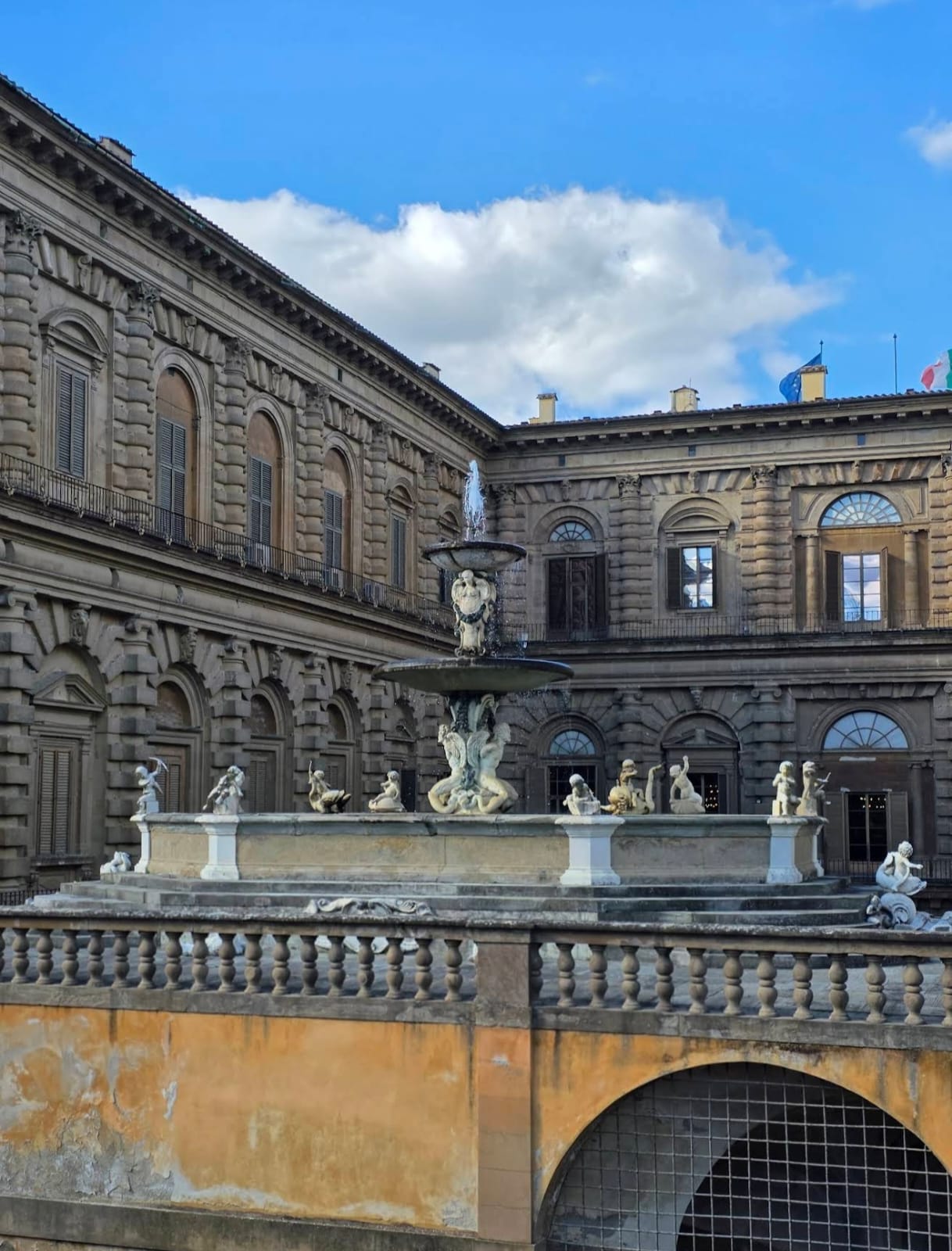
We begin with the iconic Boboli Gardens, created for the Medici court and later recognised as a model for royal gardens across Europe. Here we walk along elegant avenues, pause before classical statues emerging from the greenery and reach the symbolic places that still express the splendour of a remarkable age. In Boboli, the garden is not only nature: it is a projection of the human mind and its aspiration to order and monumental beauty.
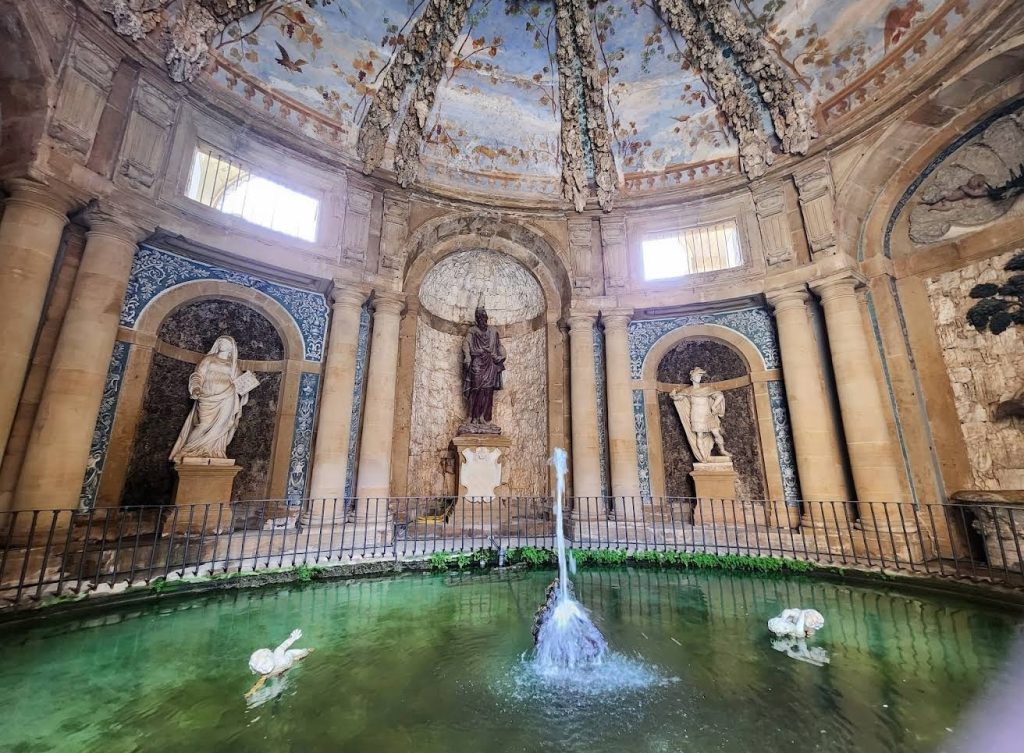
Inside Boboli, the Buontalenti Grotto becomes not only a spectacular visual stop, but also a clear example of how form, fantasy and symbol intertwine in Mannerist garden design. We observe the dialogue between artificial rock, sculpture and water, reading the intention to astonish the court guest. Continuing upward, the Kaffeehaus, with its light Rococo-inspired architecture and panoramic calm, reveals spaces carefully designed for court life. It is a place where public ceremony and private contemplation could alternate with elegance.
As we walk through Boboli, we constantly focus on the relationship between landscape architecture and its social and political function. Every avenue, perspective and viewpoint is a visual device that speaks of territorial control, dynastic representation and aesthetic pleasure. We move slowly, choosing the viewpoints that best communicate the idea of a garden designed for a ruling court. Statues and plants respond to one another in a continuous dialogue, forming scenes intended to be observed, admired and interpreted.
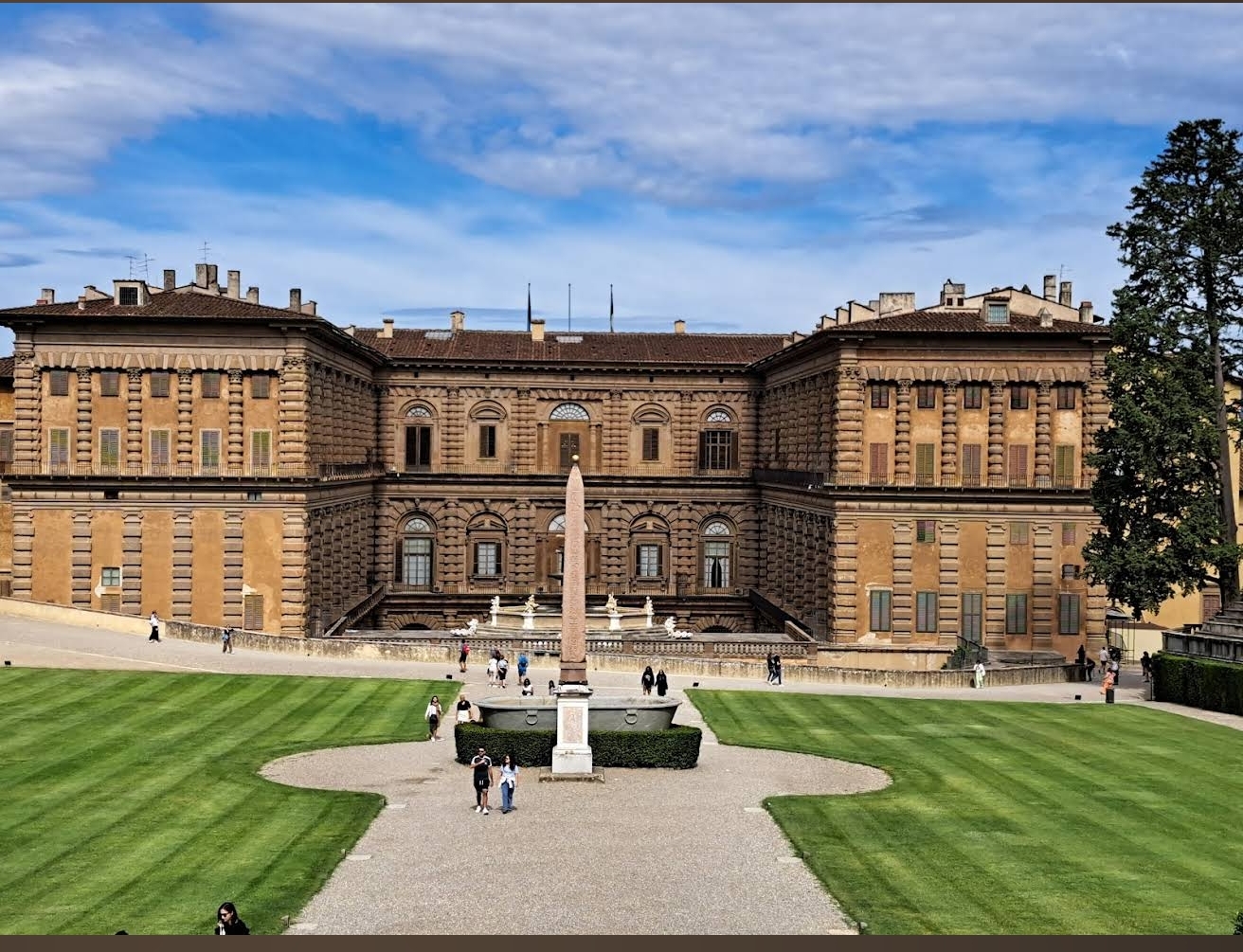
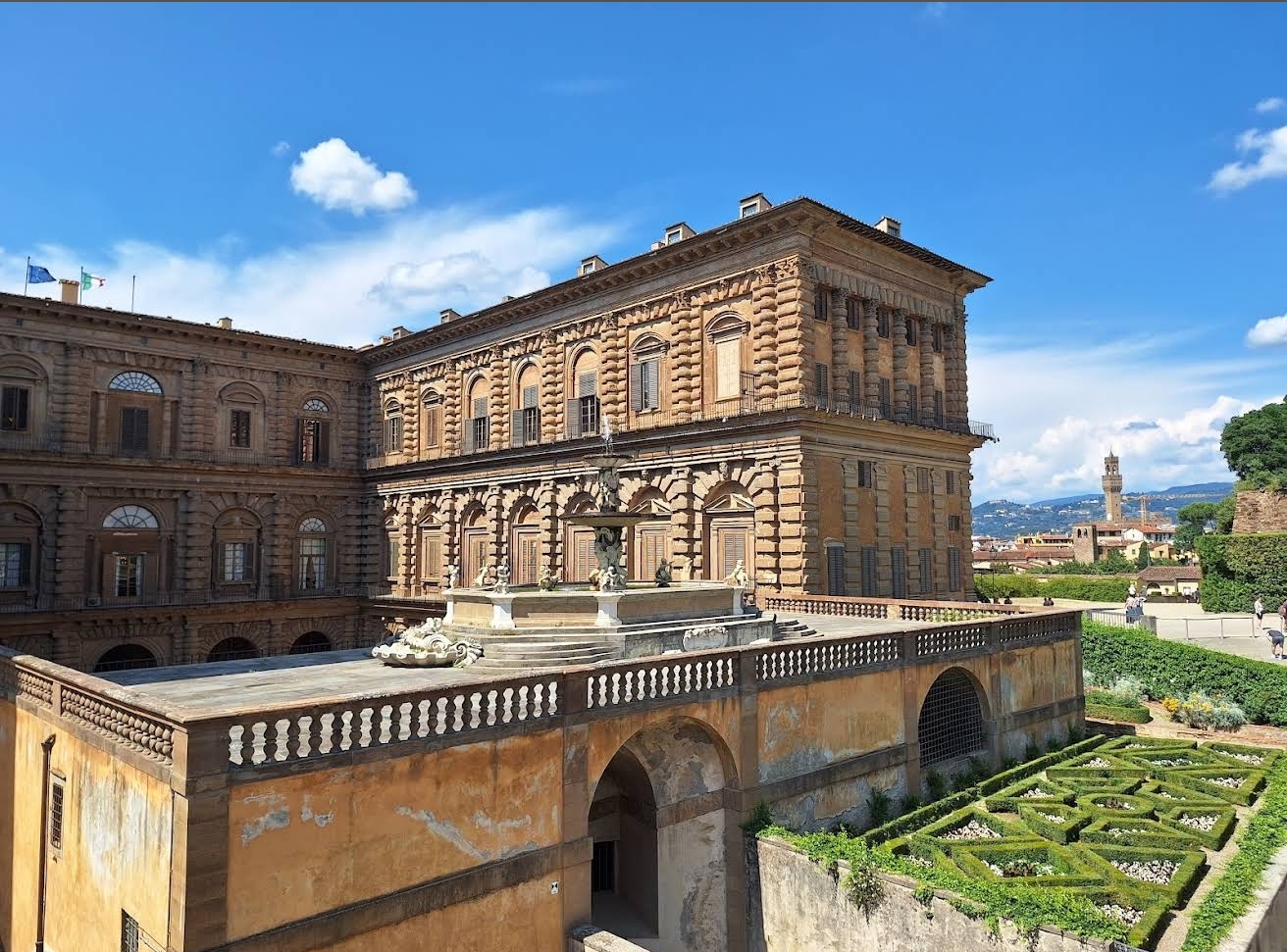
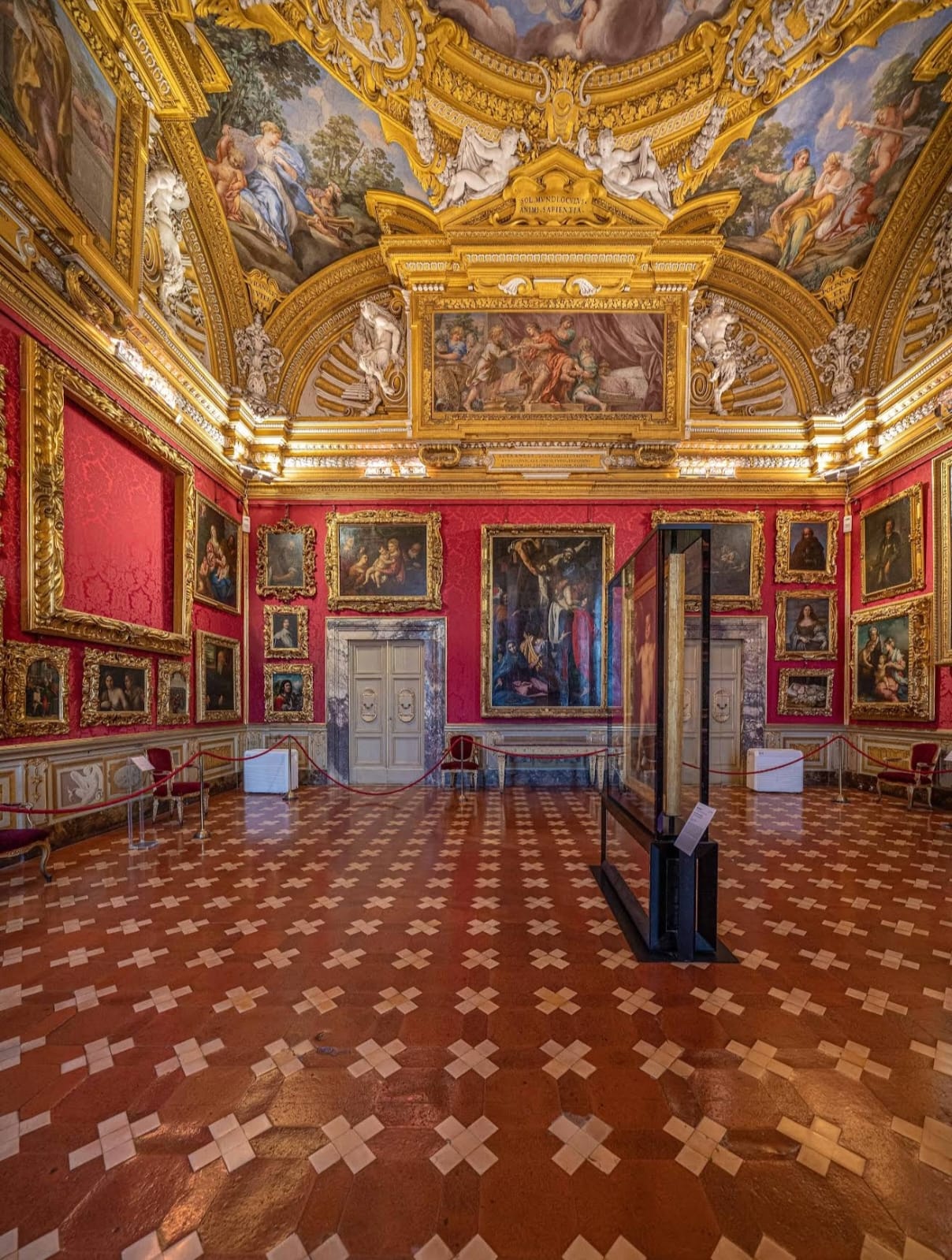
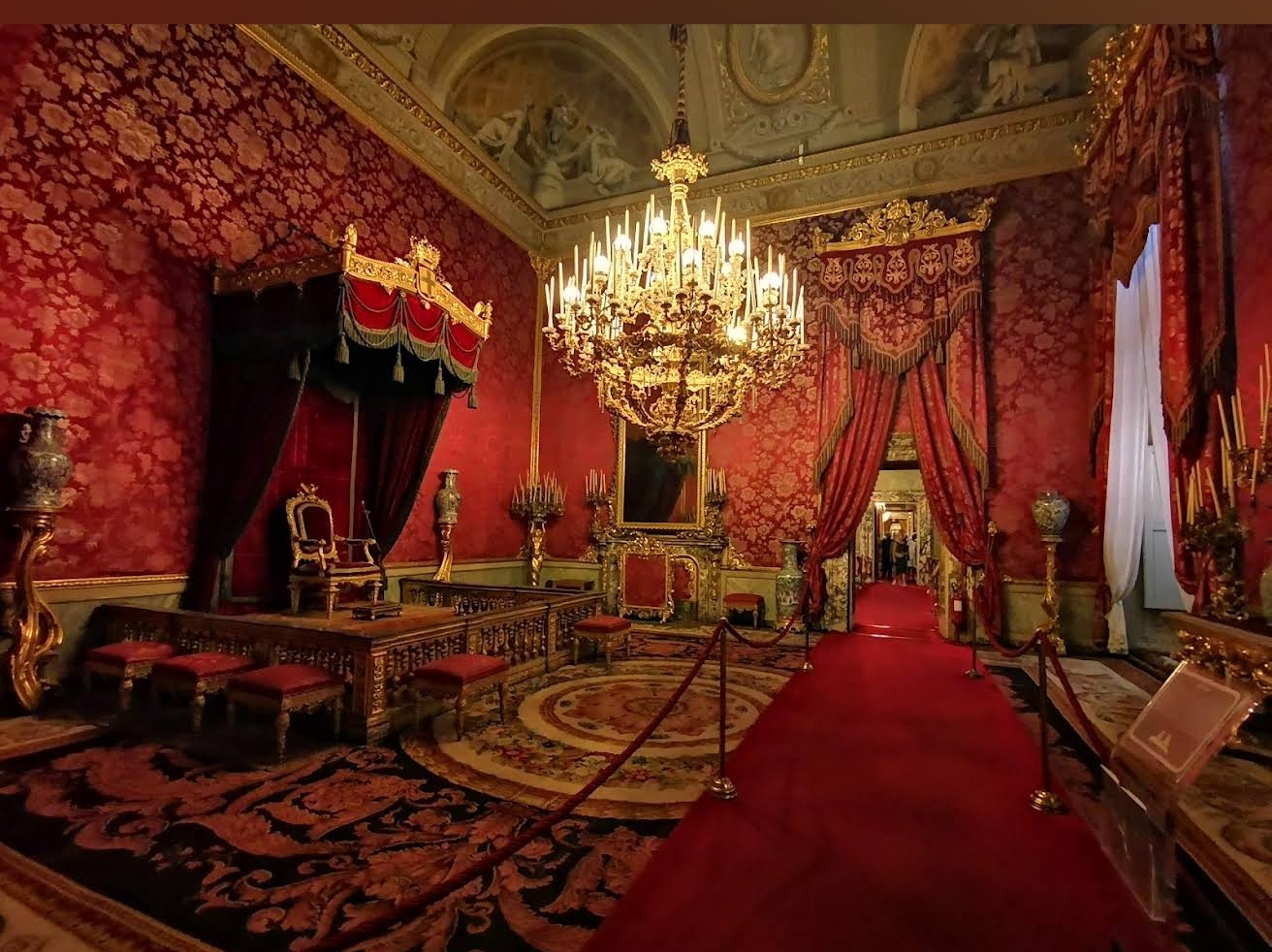
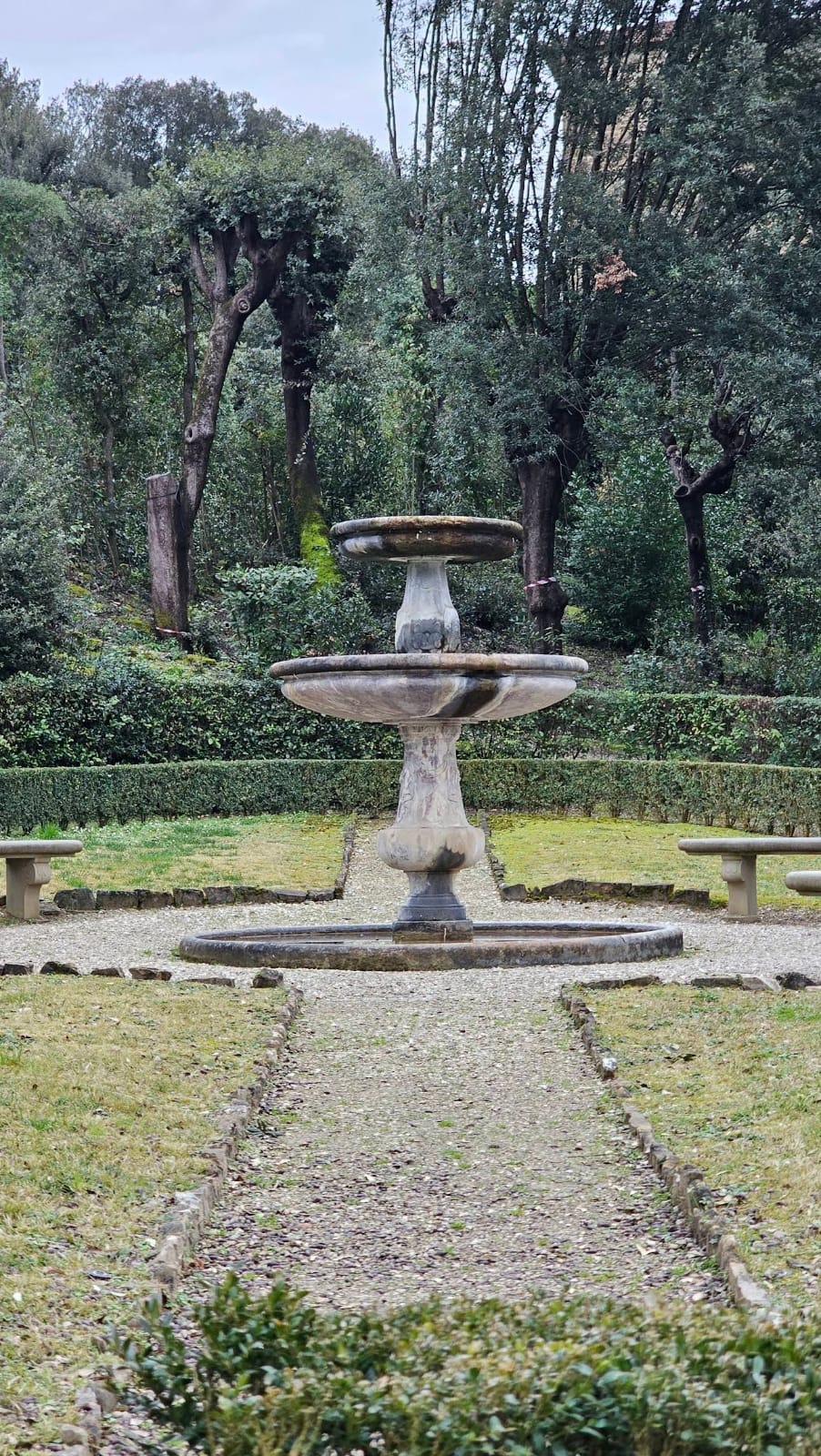
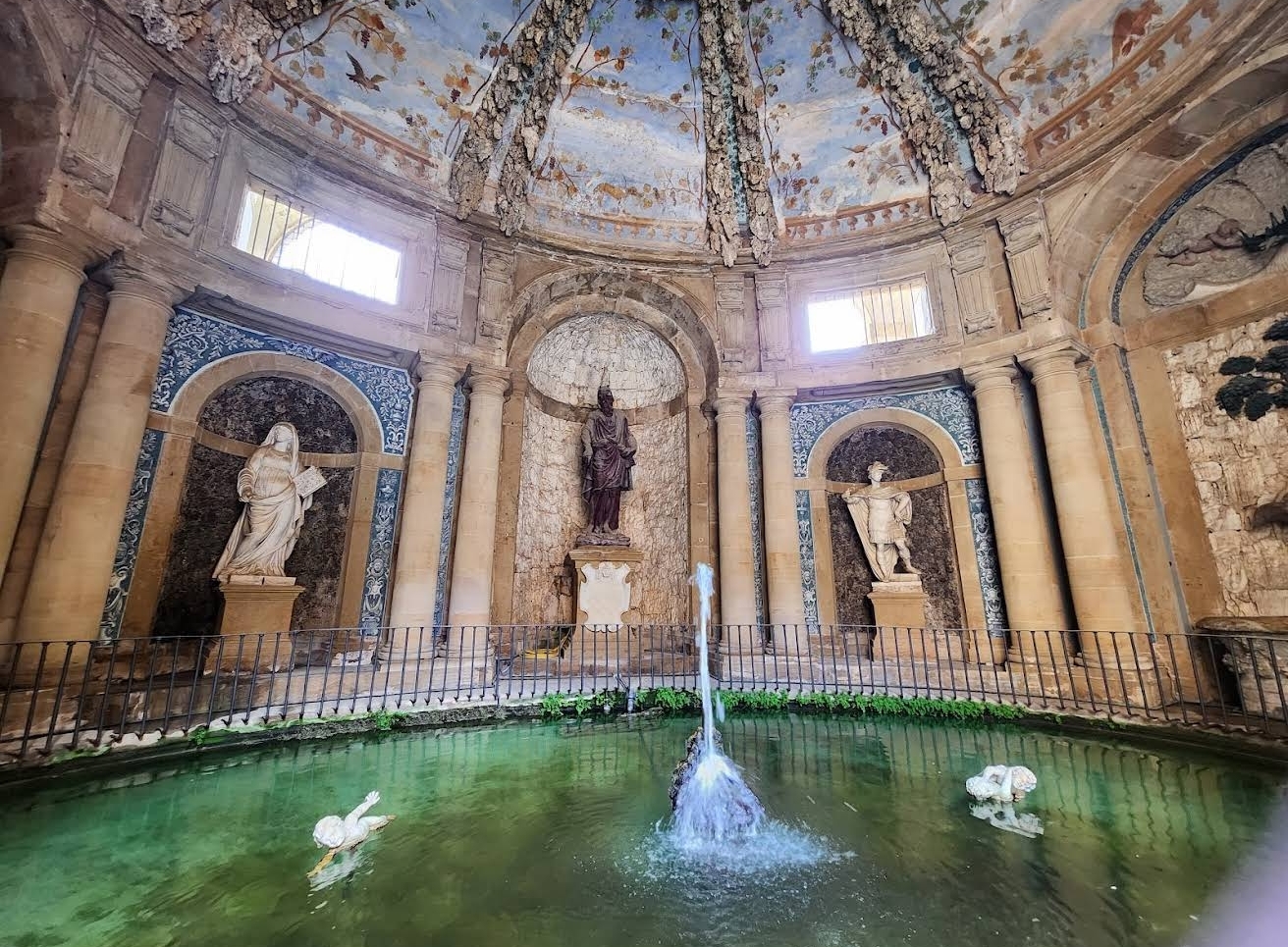
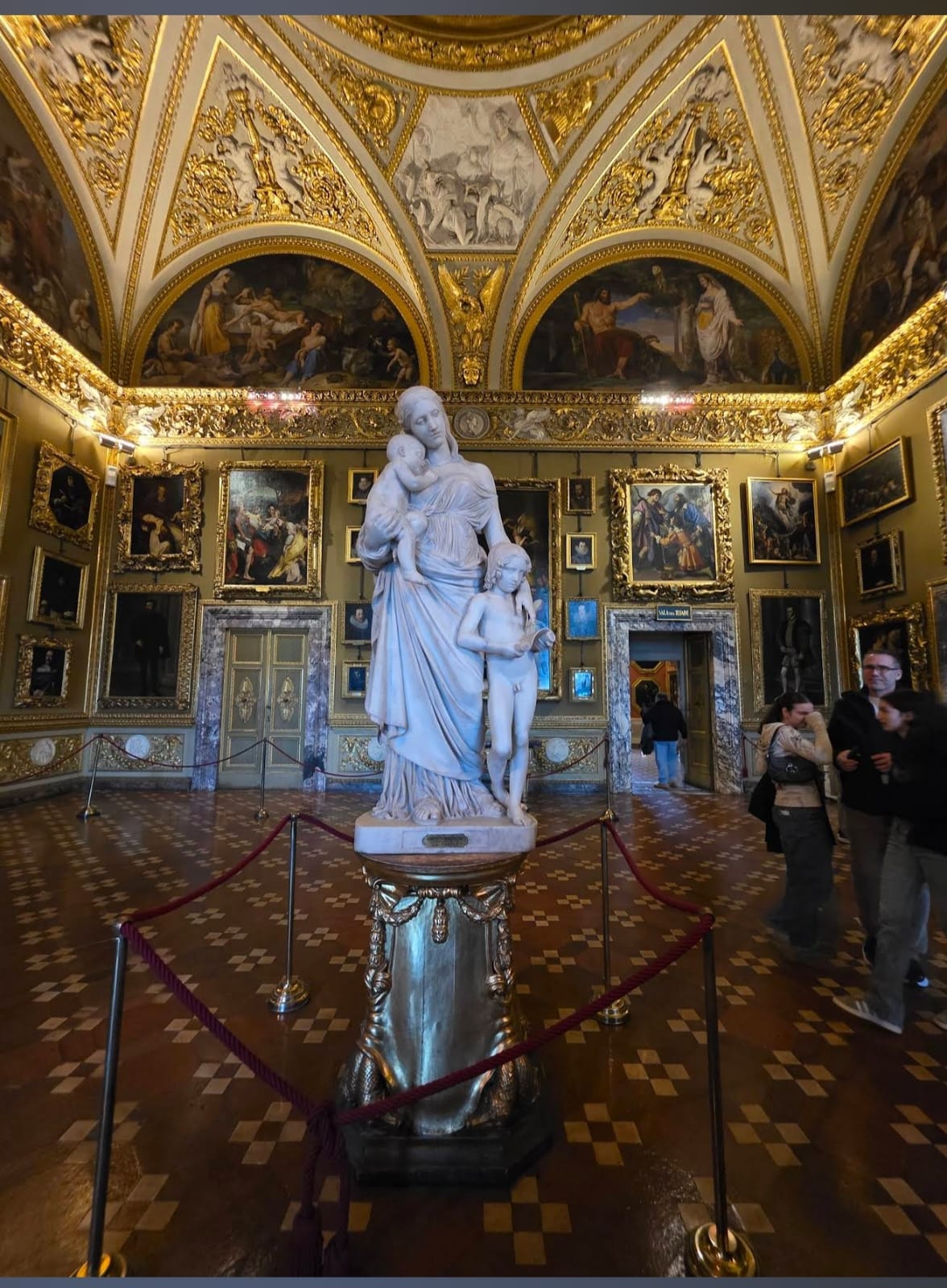
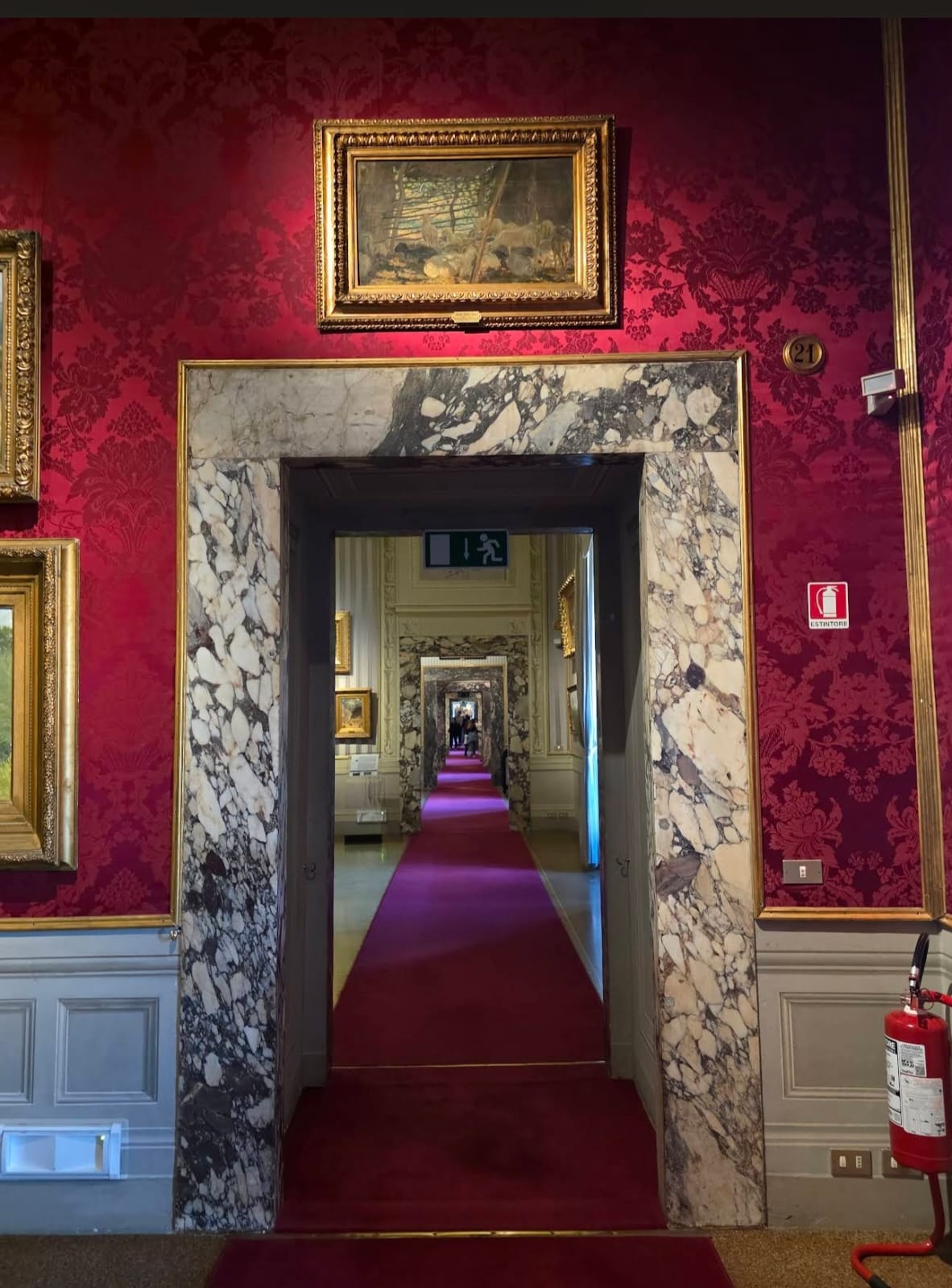
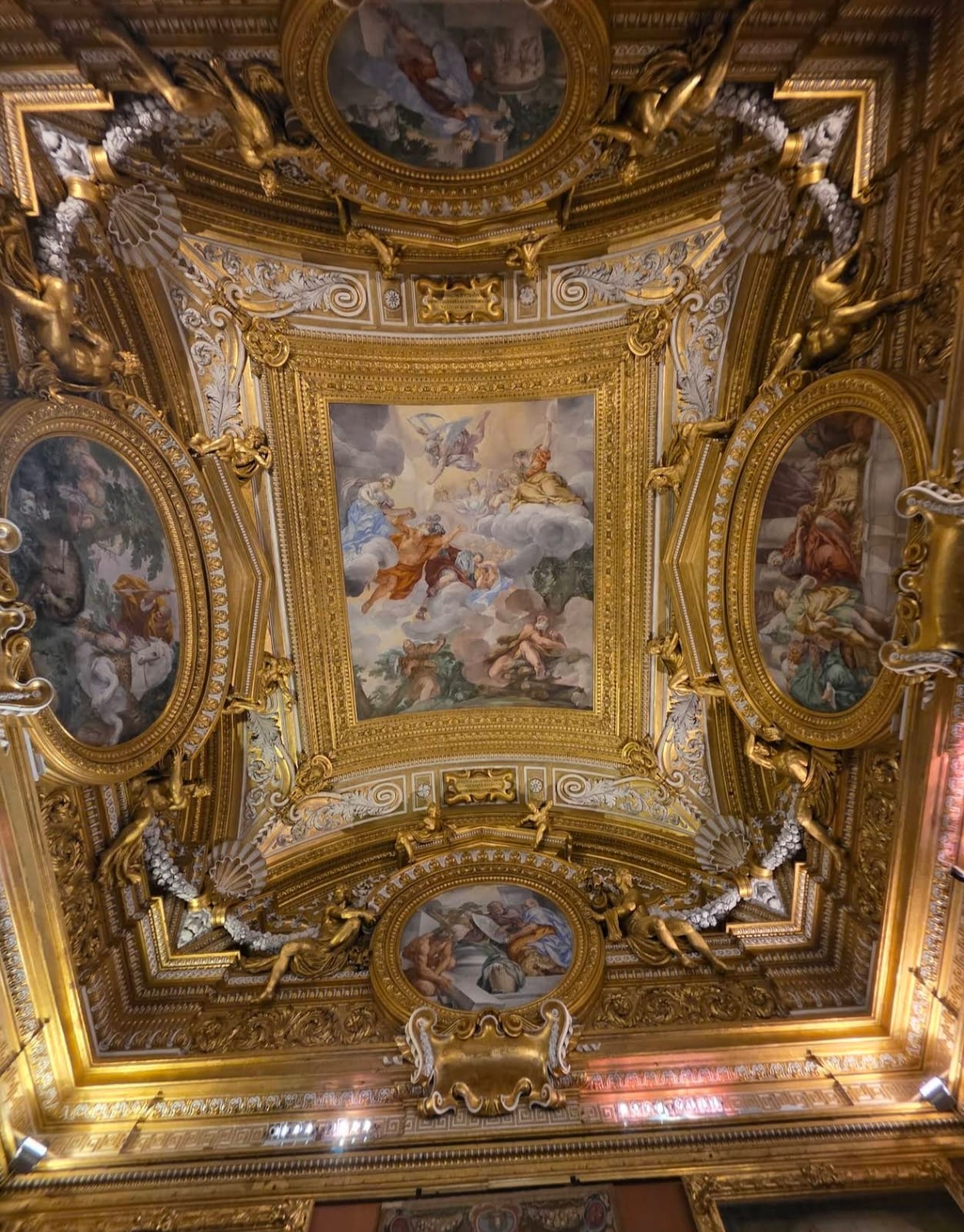
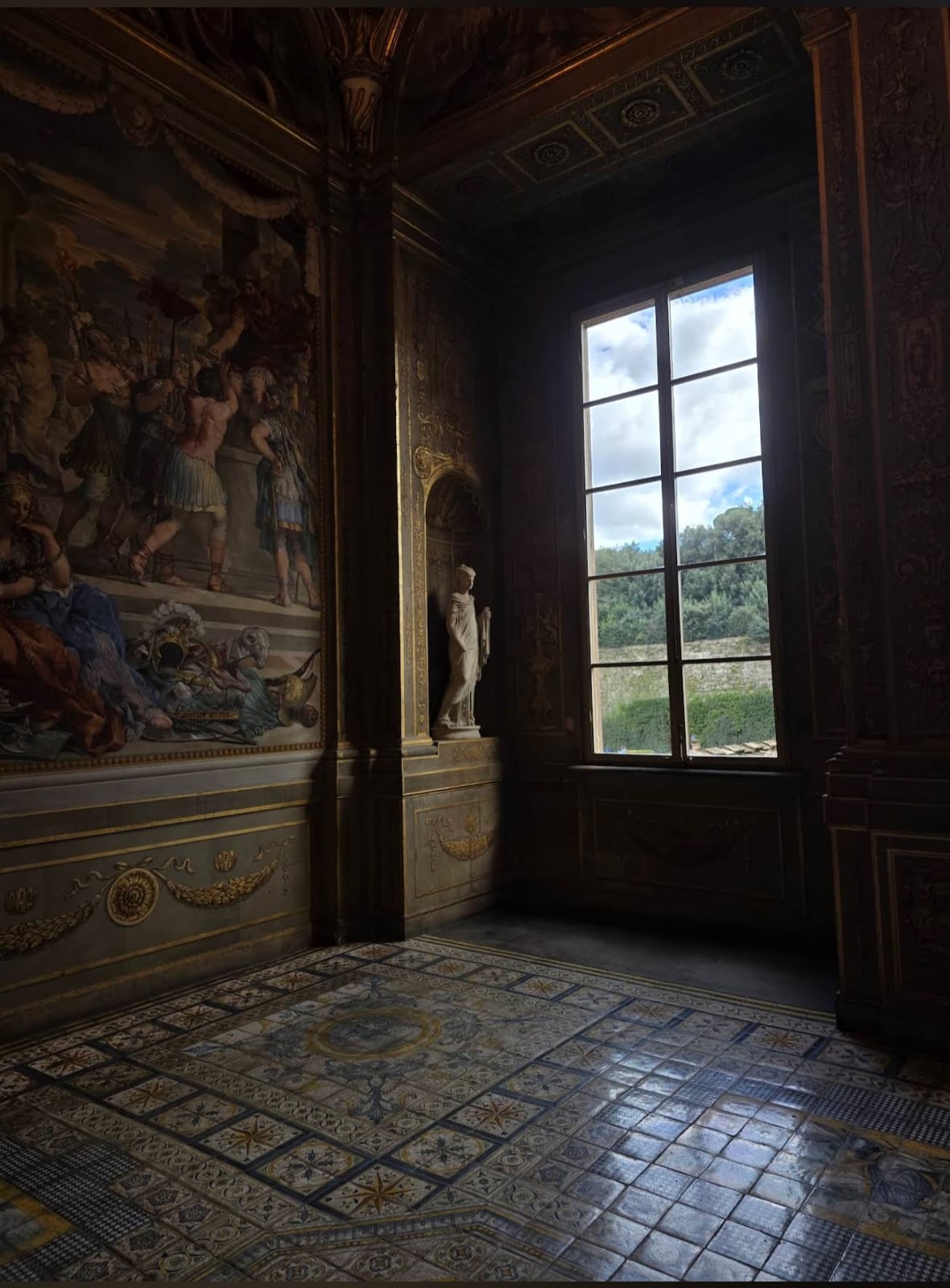
After experiencing the monumental breadth of Boboli, we continue toward a more intimate and reserved experience: exclusive access to the Torrigiani Garden. Entering Torrigiani means crossing an invisible threshold from the public and monumental to the private and aristocratic. We find ourselves in a refined nineteenth-century English-style garden, home to rare exotic plants and a landscape design deeply different from the Renaissance model. The contrast with Boboli helps us understand different aspects of Florentine garden history: Boboli speaks of grandeur directed toward the world and history; Torrigiani speaks of a more private taste, personal botanical choices and an almost domestic, emotional relationship with nature.
Inside the Torrigiani Garden, we have the rare privilege of meeting a member of the owning family and hearing stories that bring every corner of the park to life. These direct testimonies allow us to place the planting choices and symbolic structure of the garden in a personal, historical and family perspective. We do not simply observe or listen to a standard explanation: we enter into contact with someone who preserves and lives the garden every day, understanding the social, historical and emotional value of a private oasis in the heart of Florence.
We conclude the sensory experience with an aperitif, a convivial final moment in which impressions from the day become conversation. It is the perfect opportunity to compare observations and enjoy once more the intimate atmosphere of Torrigiani. The aperitif is not a simple extra, but the final gesture of an itinerary designed to unite nature, history, anecdotes and refined sociability.
The three-hour tour is carefully designed to balance scenic views and intimate moments. Boboli offers grand perspectives and the enduring signs of Renaissance tradition, while Torrigiani provides a private, close encounter with rare plants and family stories. The combination of the two gardens allows us to understand the many dimensions of Florentine landscape culture without rushing.
We finish this short but intense green journey through the heart of the city carrying lasting images of panoramic terraces, classical statues, exotic plants and direct conversations with those who passionately preserve these places. Together we have seen the two faces of the Florentine garden - courtly grandeur and noble privacy - with measured steps, shared attention and the quiet pleasure of authentic discovery.