




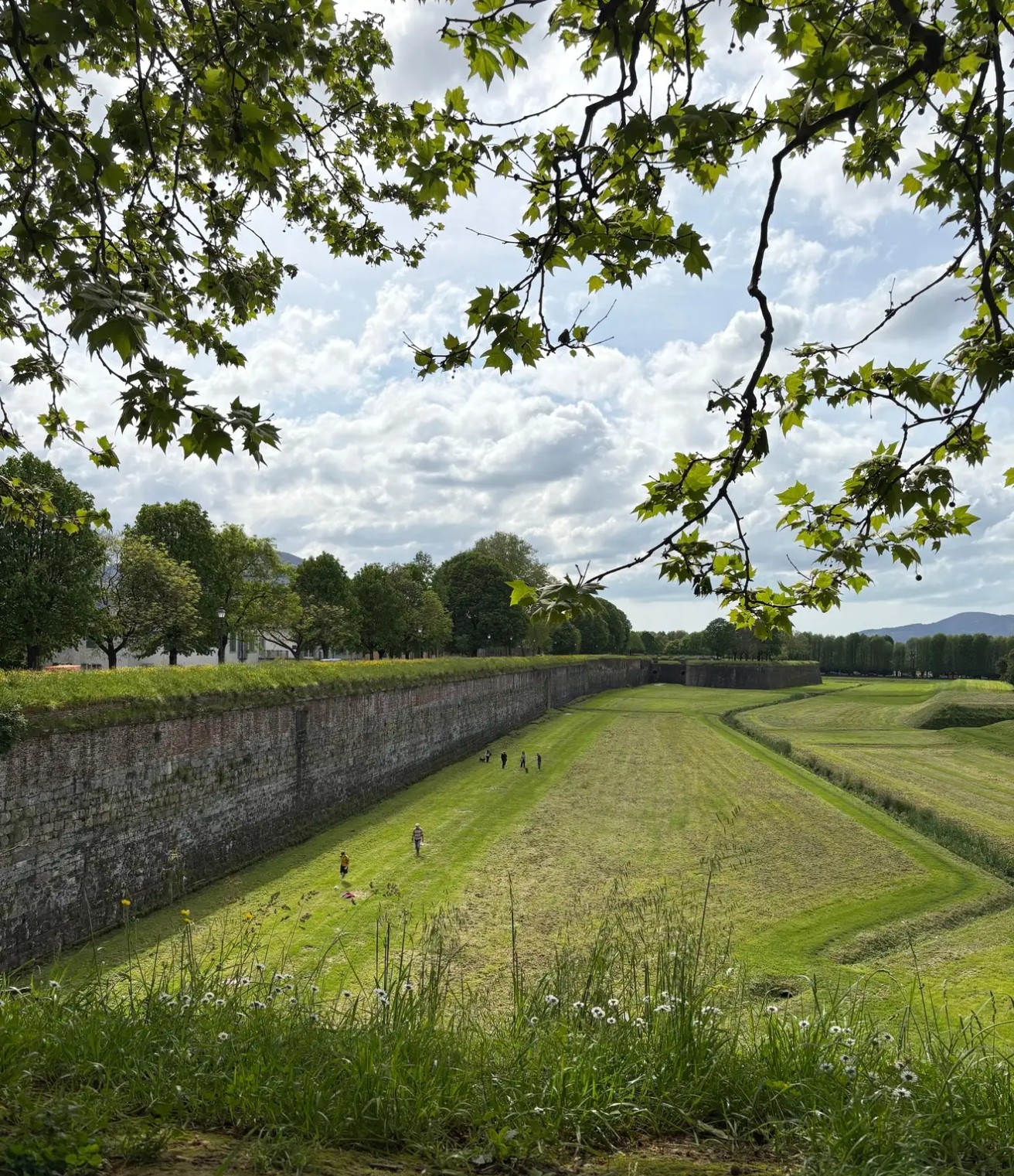
Walking through its streets means reading history in the stones, in the towers, and in the the medieval urban fabric. The Renaissance walls surrounding the city form a nearly four-kilometer ring that today has become one of Lucca’s most beloved walking routes.
As we move through the historic center, we encounter medieval and Renaissance towers, elegant palaces, churches, courtyards, and hidden corners that define the unique identity of the city. Nearly one hundred churches are scattered throughout Lucca, reflecting its strong religious and civic history.
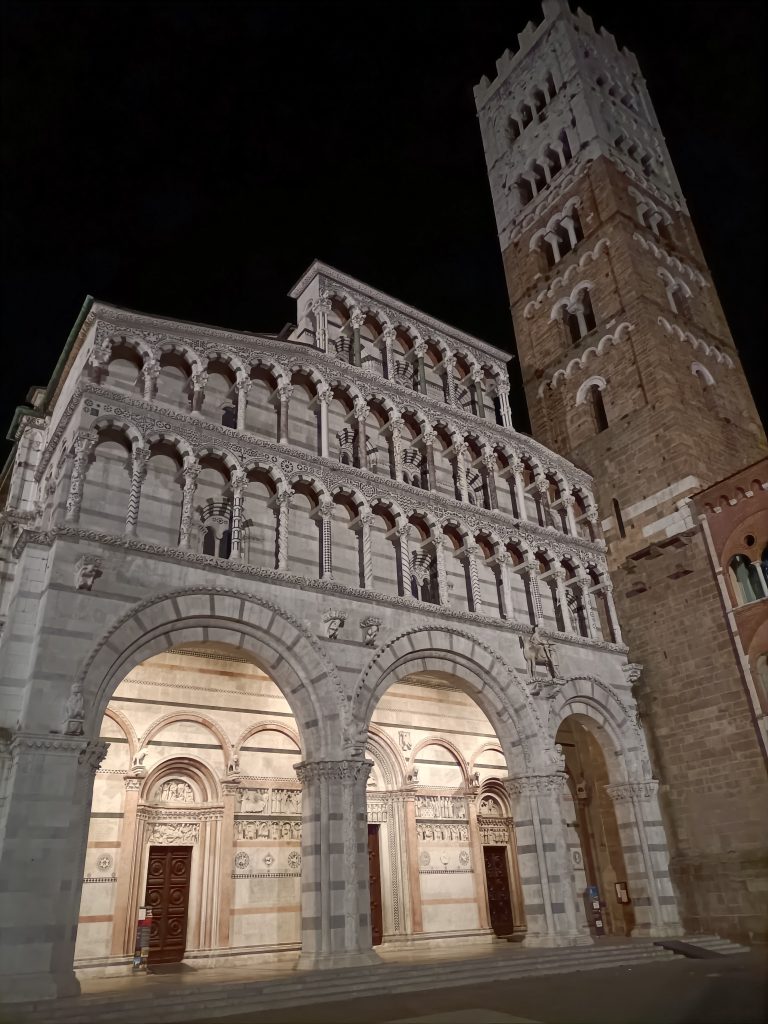
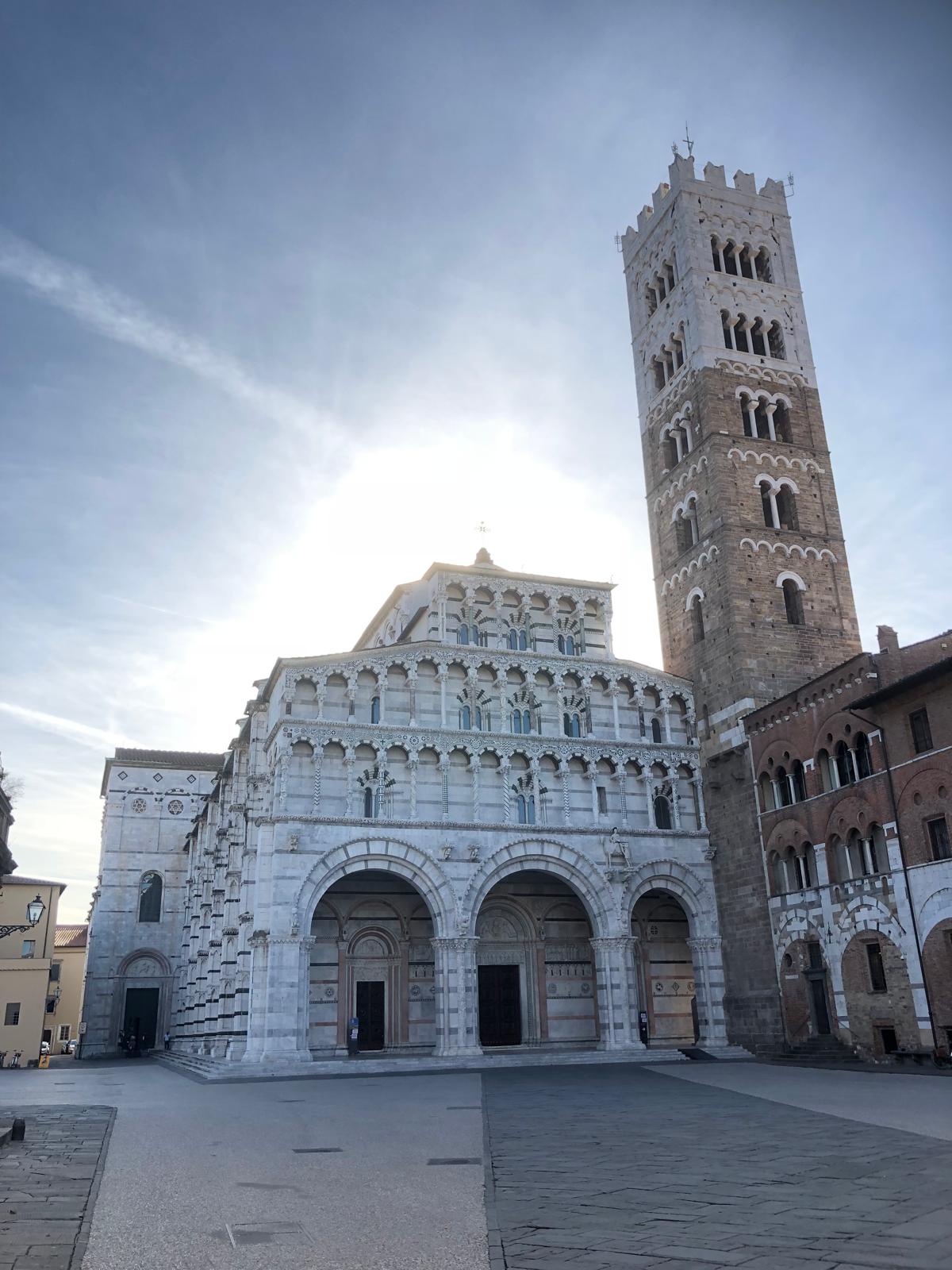
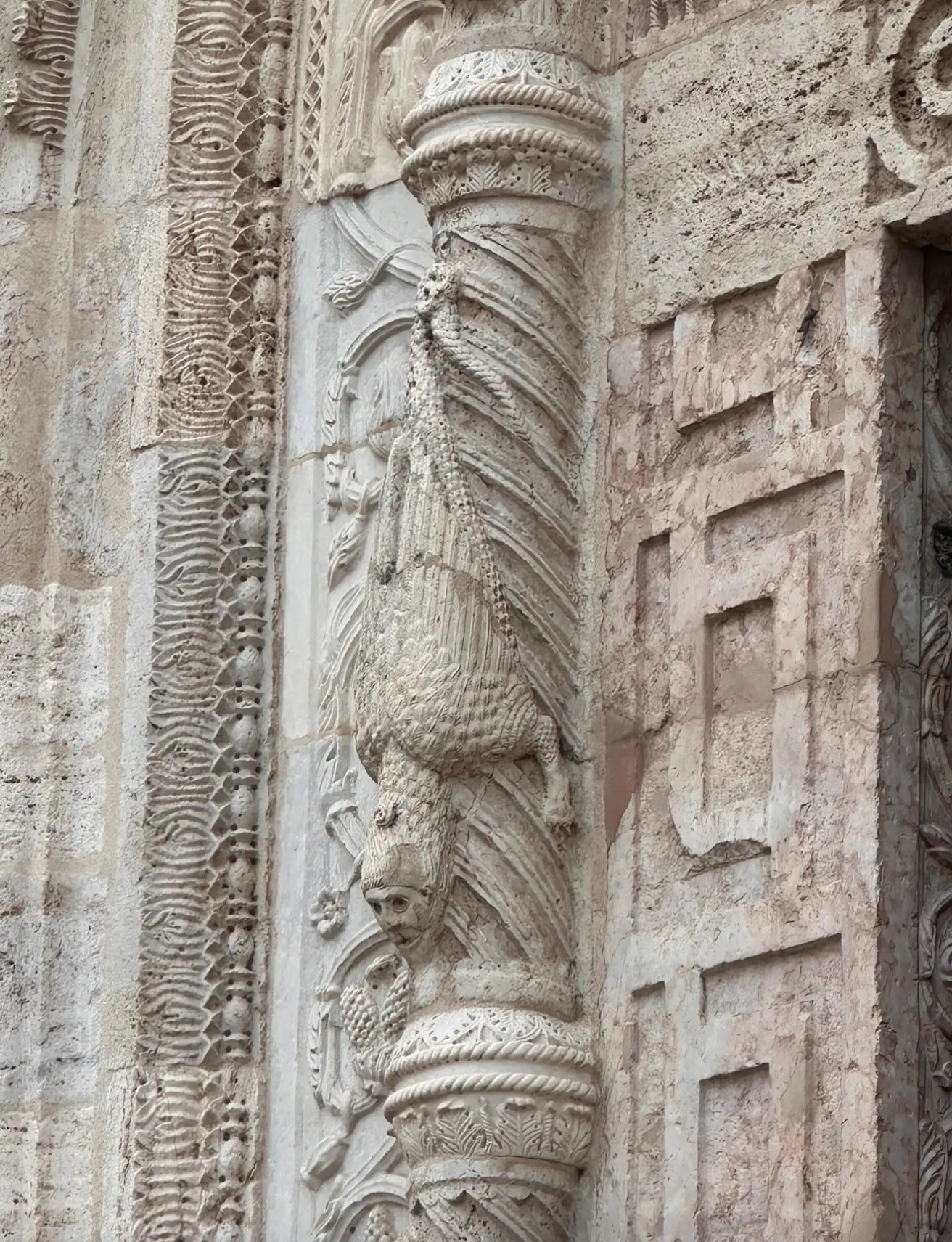
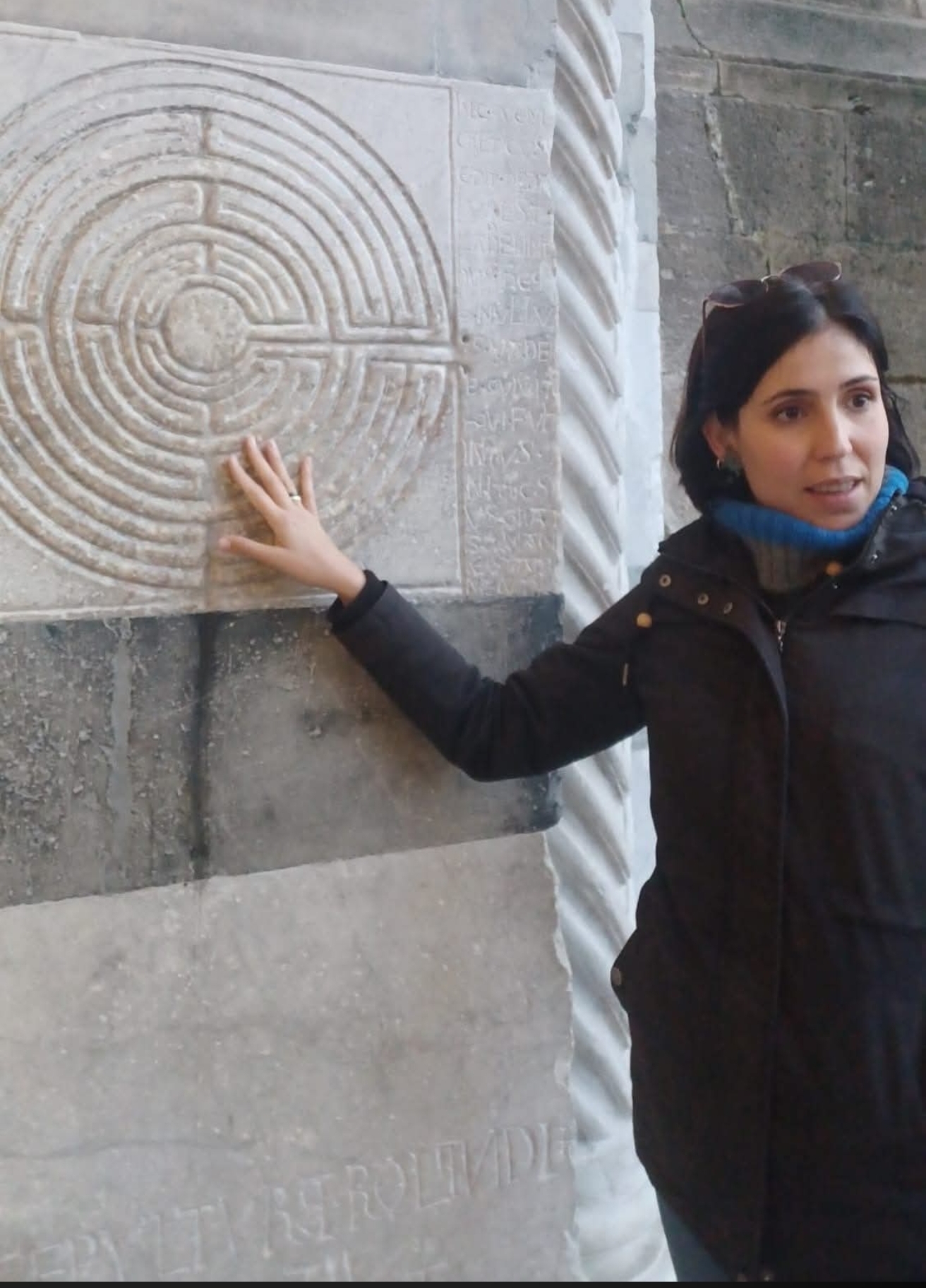
The Cathedral of San Martino, dating back to the twelfth century, is one of the city’s most important monuments. Its Romanesque façade, rich in decorations and sculpted columns, introduces visitors to an interior where Gothic and Romanesque elements coexist harmoniously. Inside stands the famous wooden crucifix traditionally attributed to Nicodemus. In 2020 it was identified as the oldest wooden sculpture in the Western world.
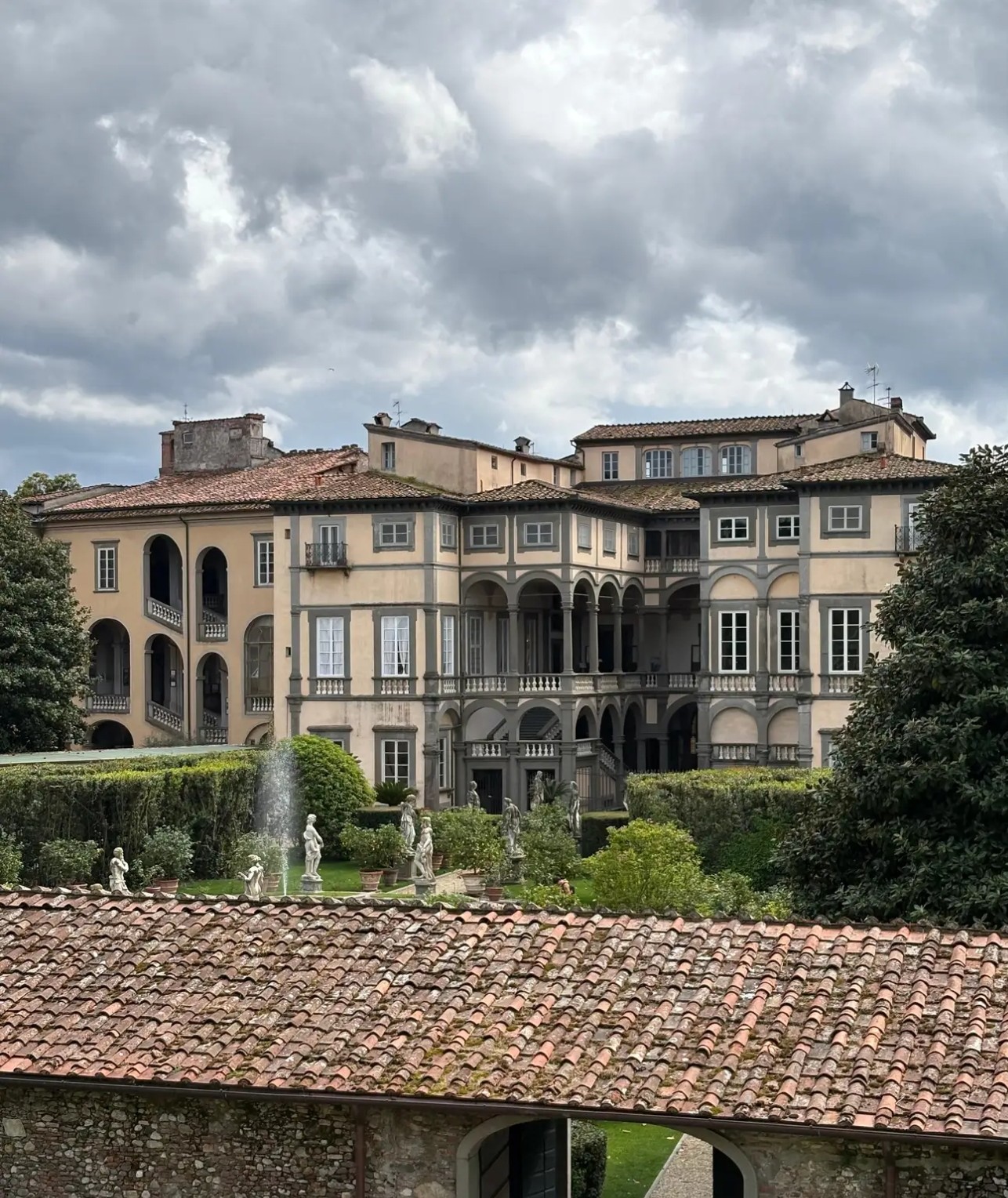
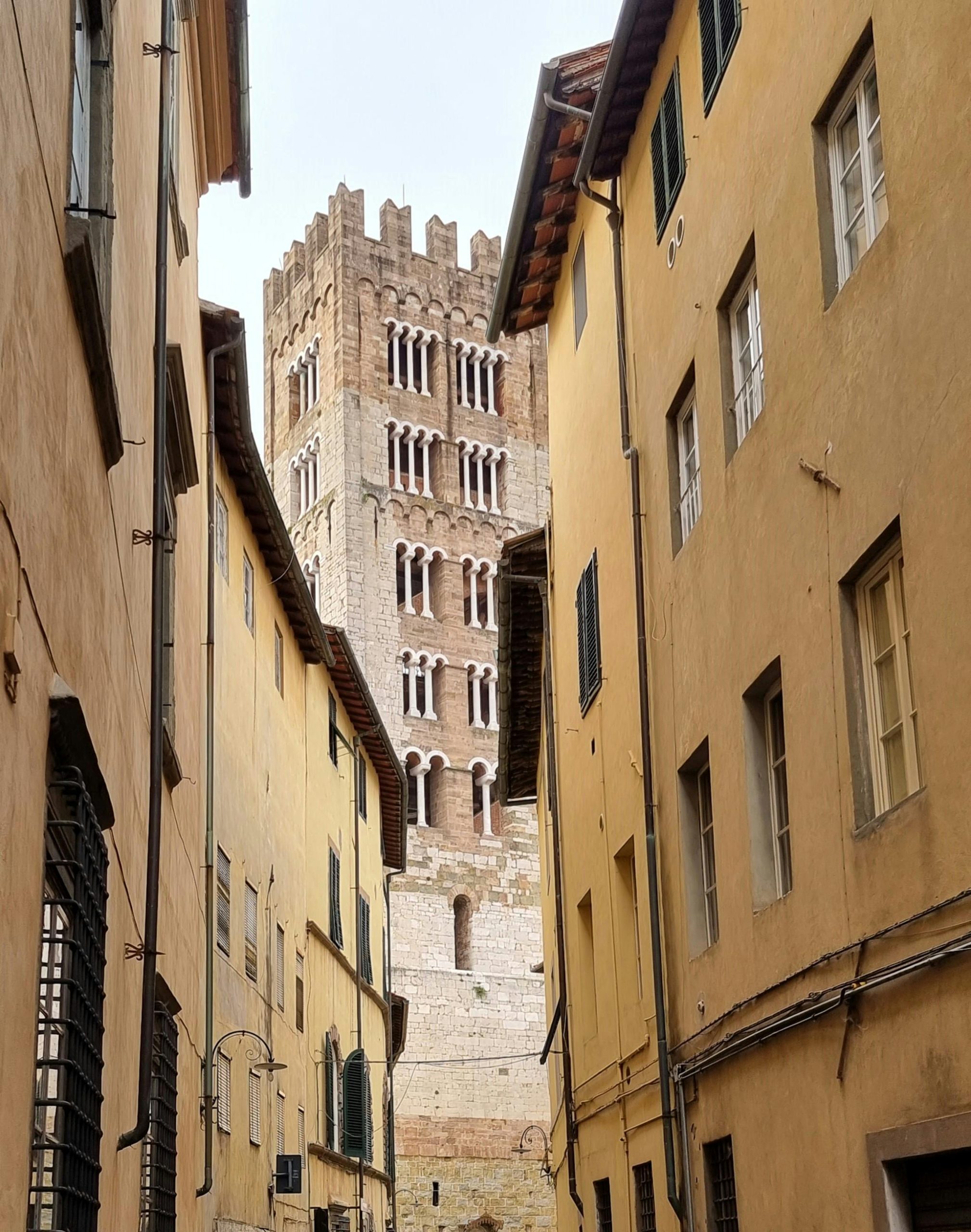
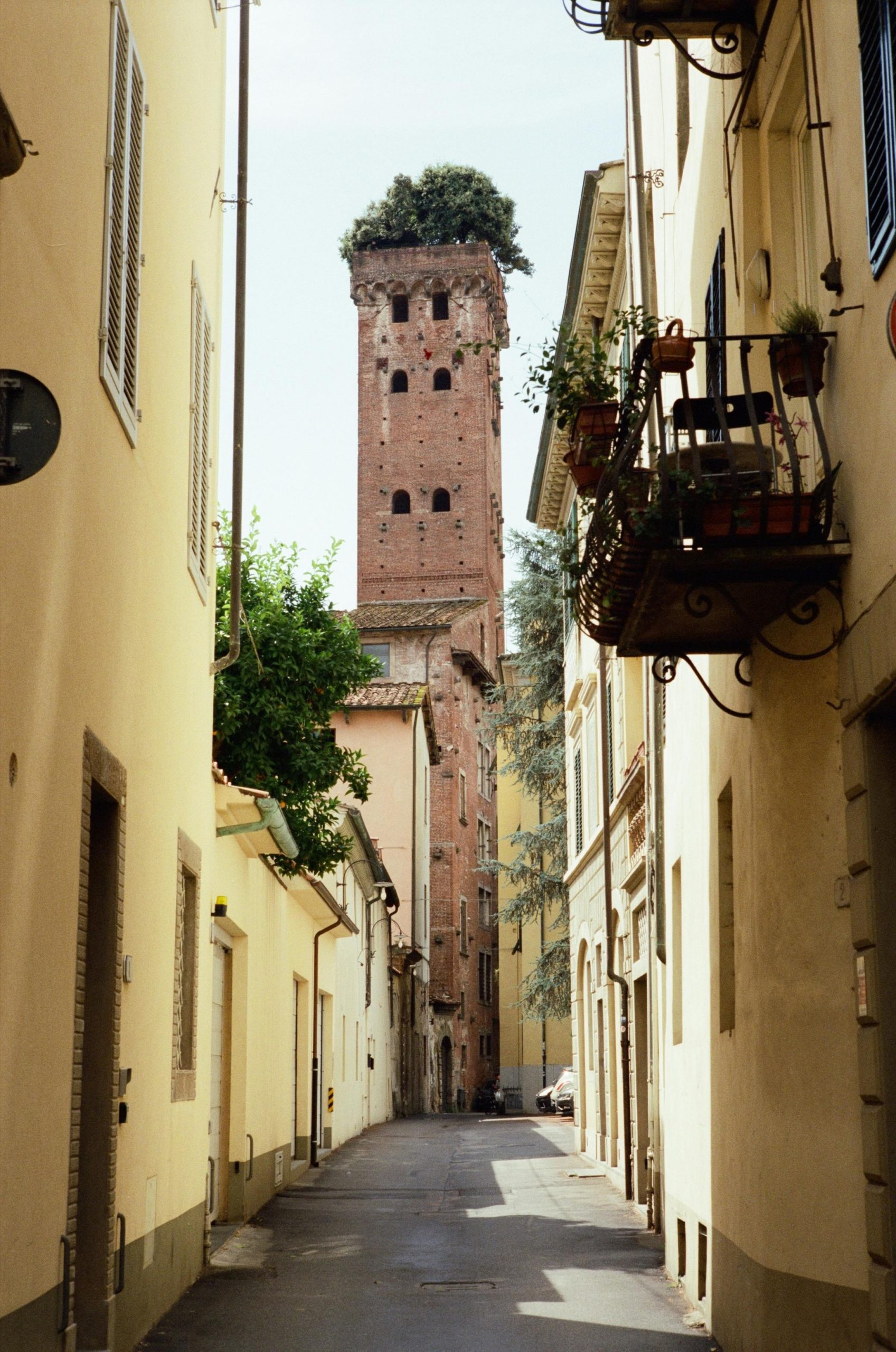
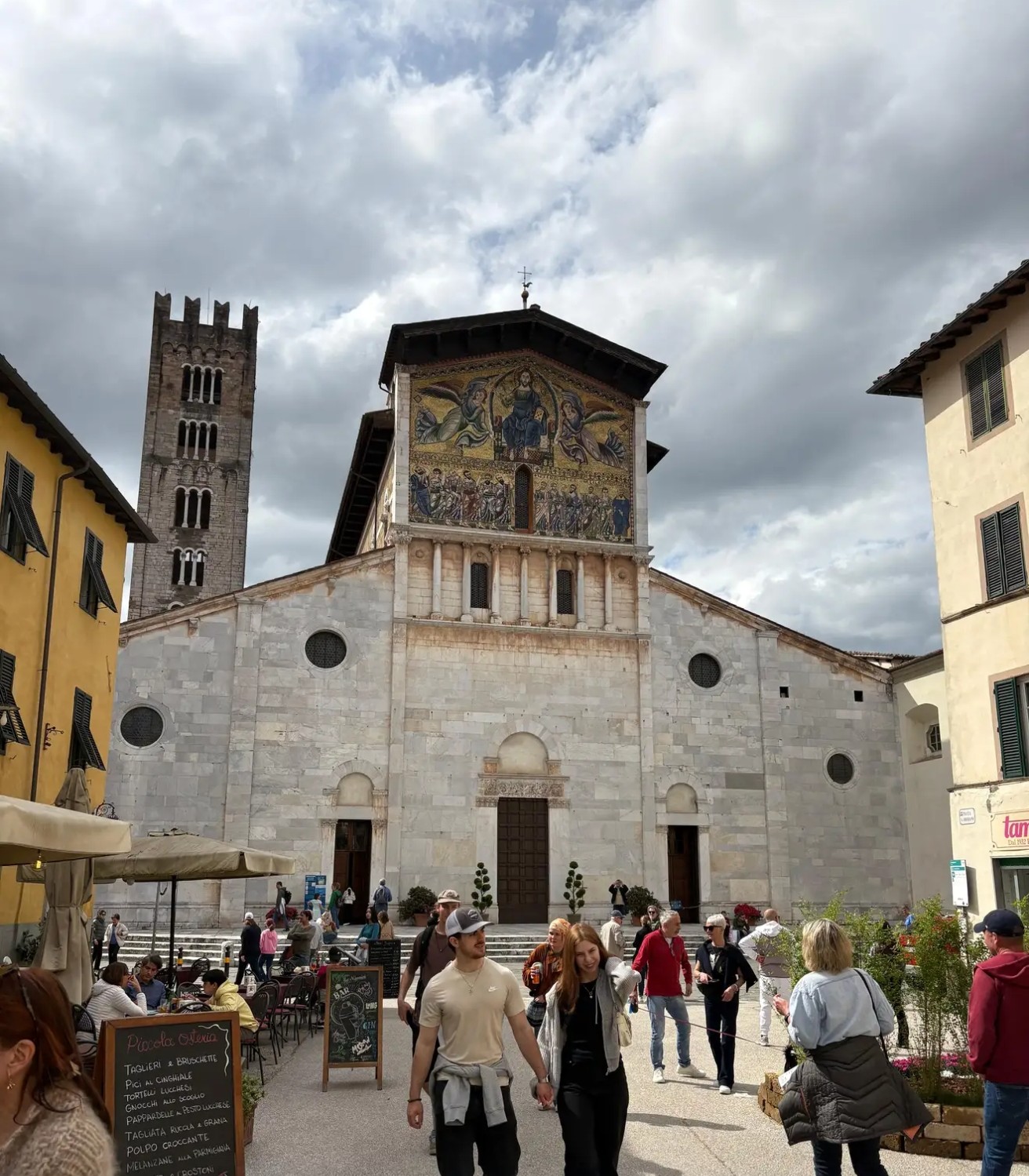
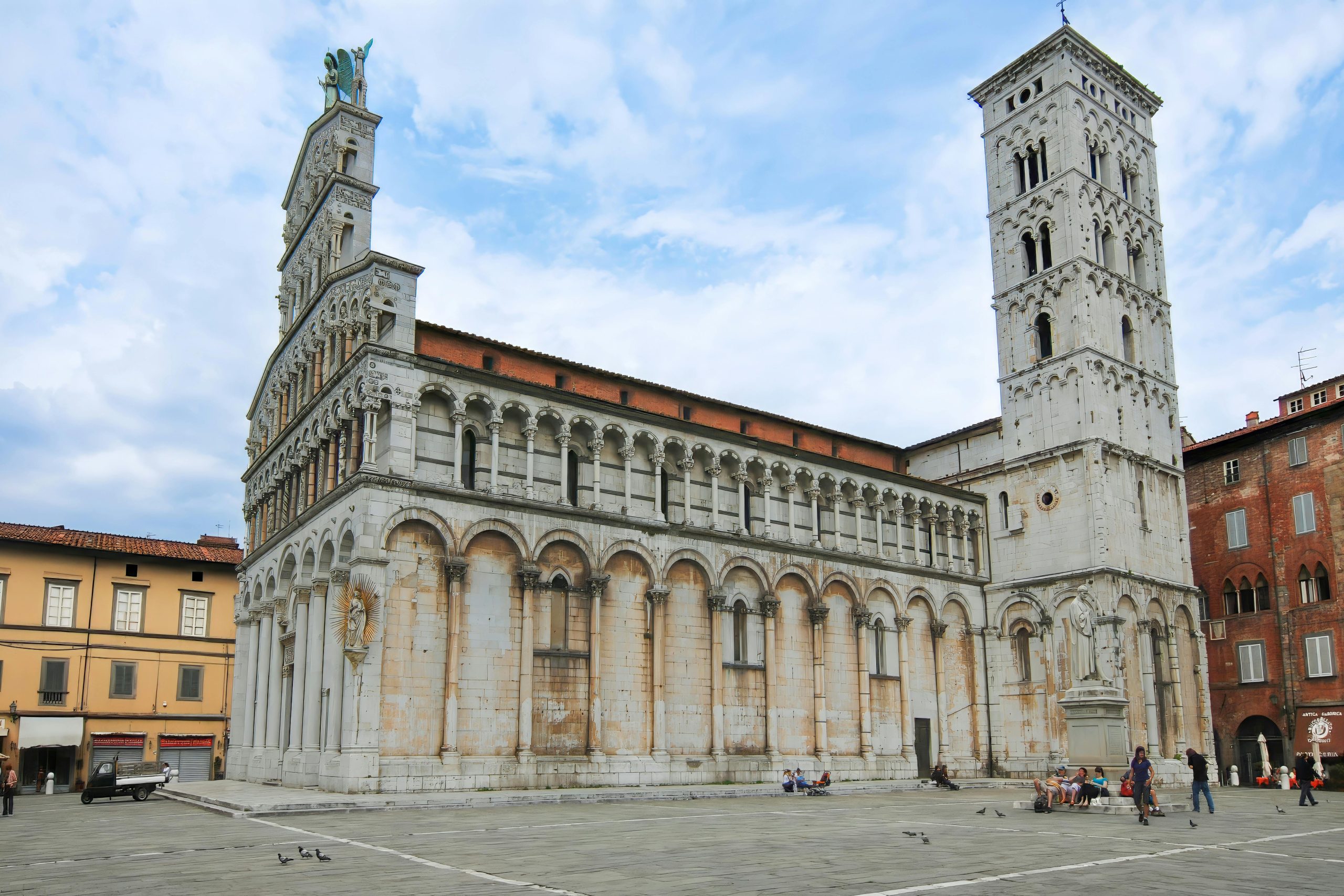
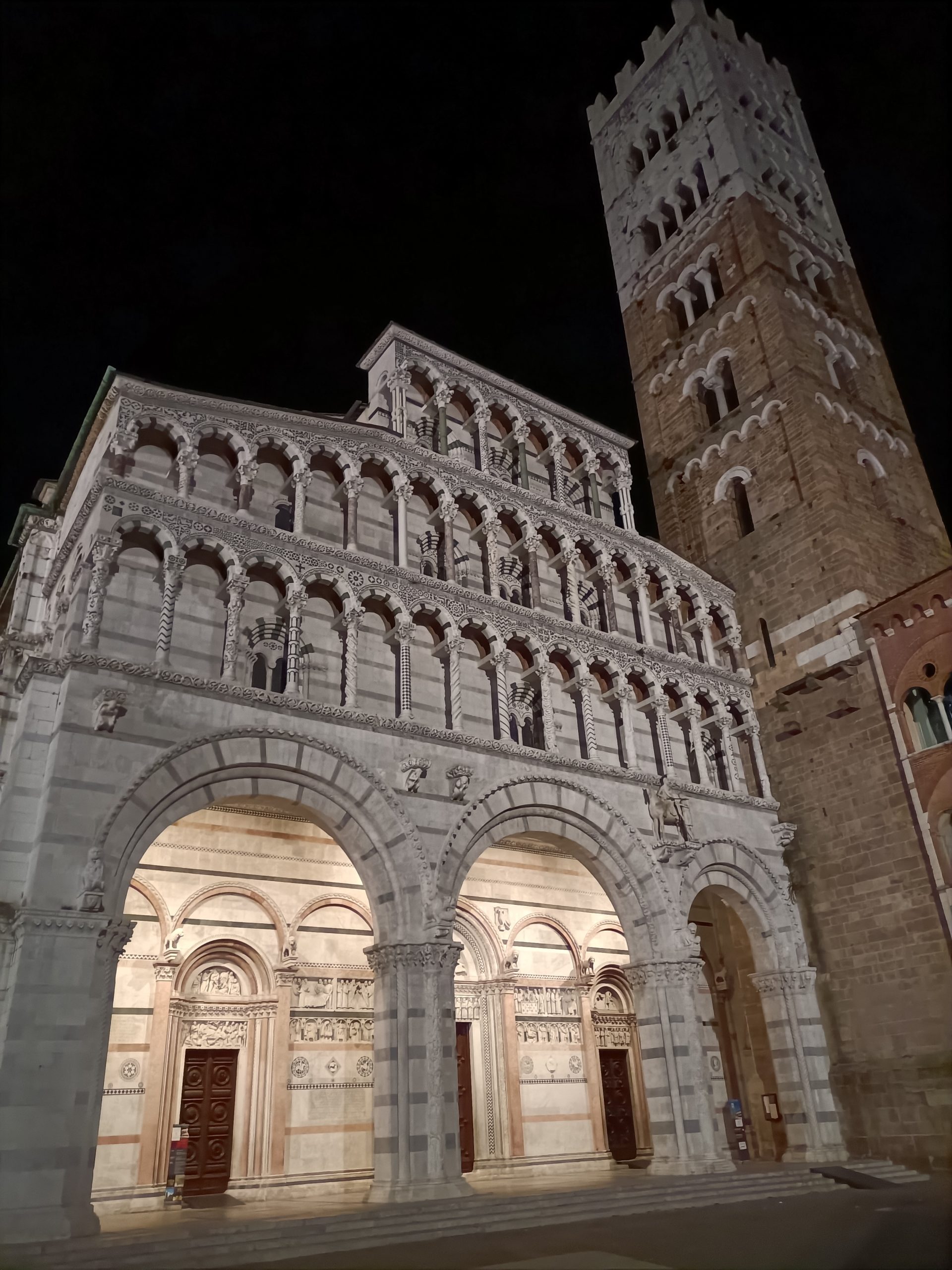
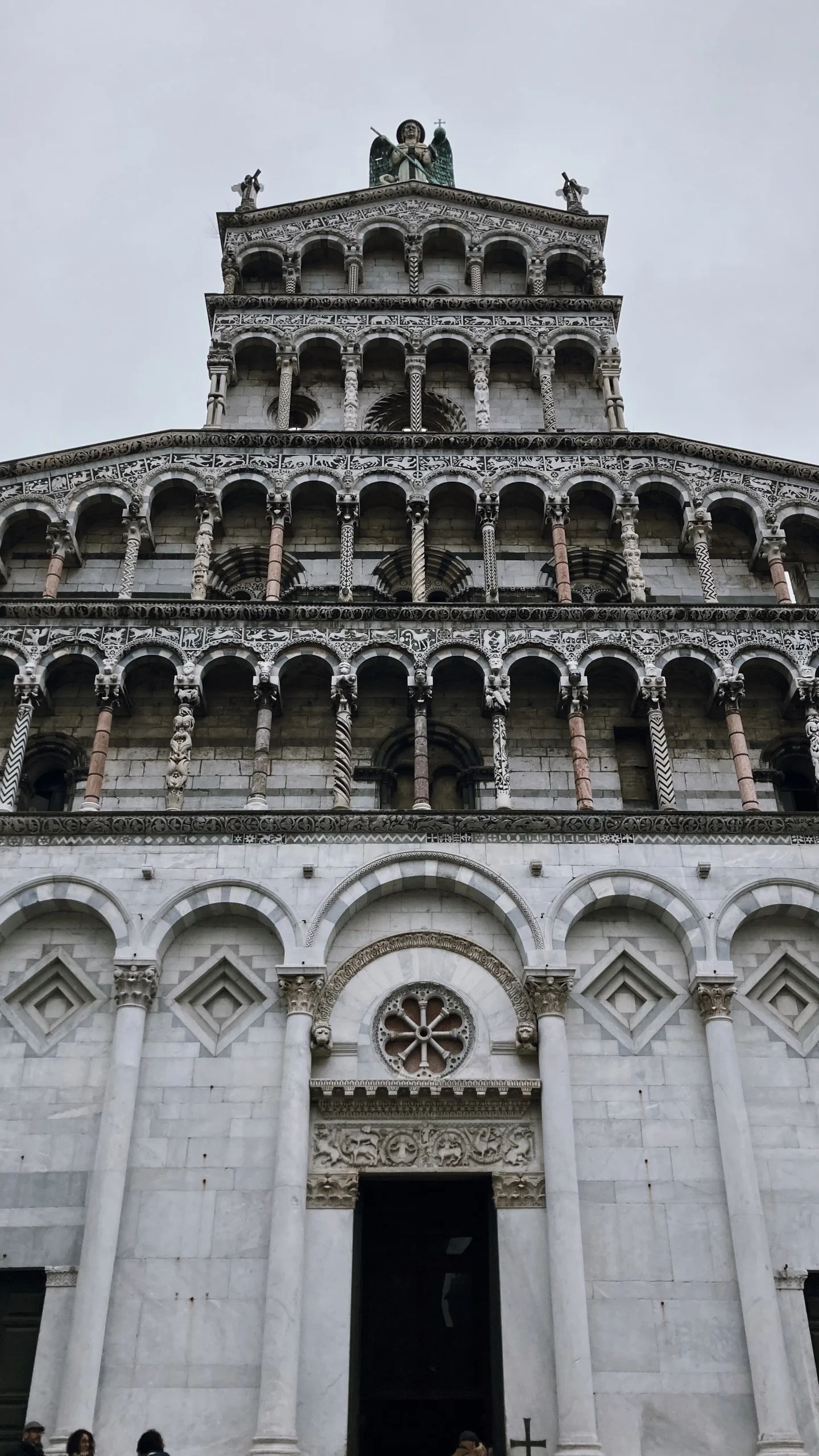
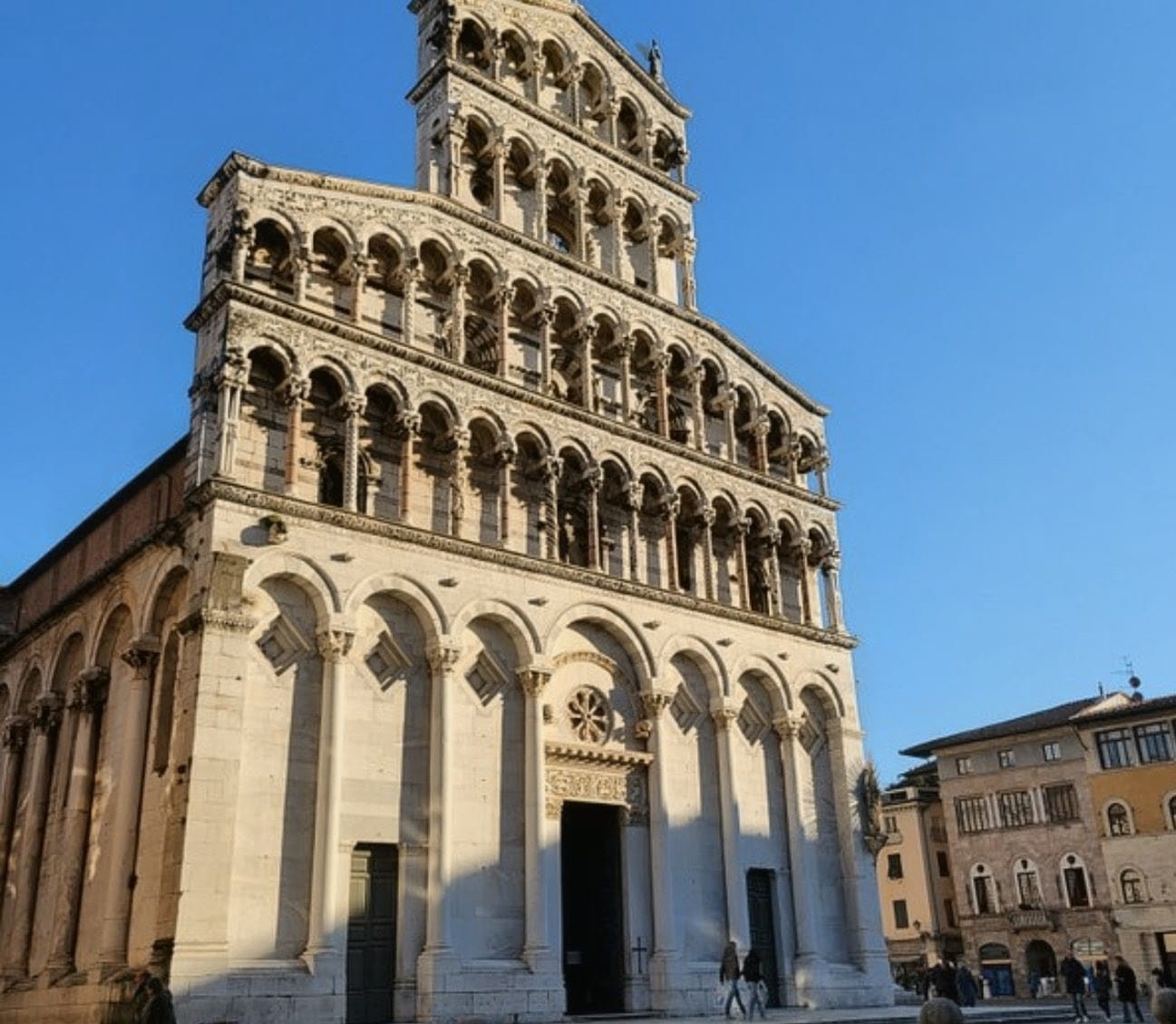
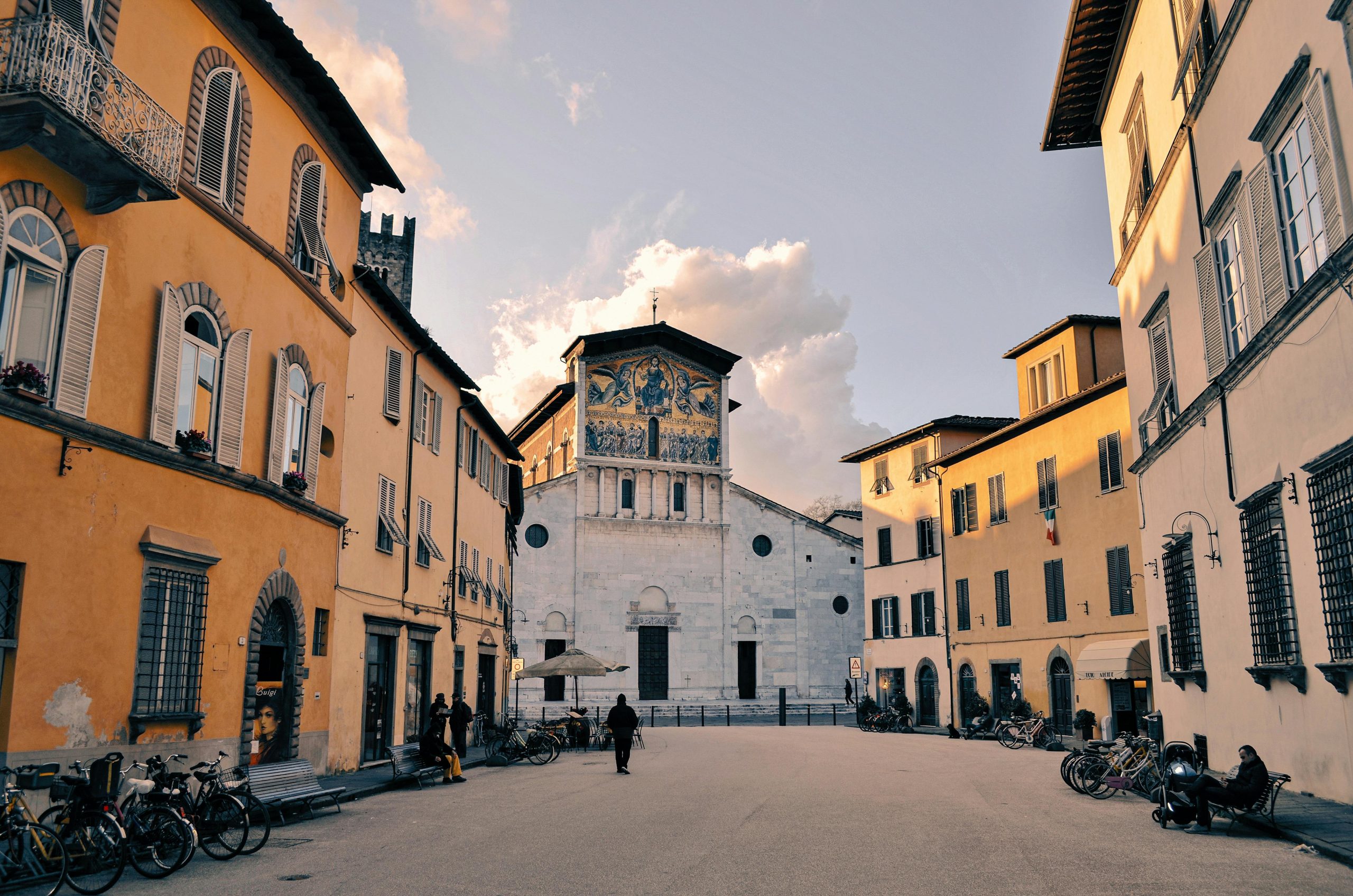
Walking through Lucca also means appreciating a city that has preserved its human scale and timeless atmosphere. Every square, alley, and façade contributes to a calm and refined beauty that distinguishes Lucca from other Tuscan cities.