




Together, we choose to follow the thread of a figure or a dynasty — Michelangelo, the Medici family, or Dante Alighieri — and create a tailor-made itinerary through the beating heart of Florence’s historic center. We keep the classic structure of a city walk, touching iconic places such as Piazza della Signoria, the Duomo, the Uffizi area, Ponte Vecchio, and Palazzo Pitti, but we turn each stop into a chapter of a rich, elegant narrative deeply rooted in history.
We walk at a measured pace and with attentive eyes, moving as if visiting an ancient house guided not only by curiosity, but by a sincere desire to understand the choices that shaped the identity of this city. Our storytelling is not a simple sequence of facts, but a complex weave in which art, power, and everyday life are inseparably connected: here, stones speak, palaces reveal hidden intentions, and squares become carefully designed stages meant to astonish. Along the way, every monument becomes the setting of a human event, a political decision, or a creative gesture that changed the course of things forever.
If we choose Michelangelo, we read Florence through the eyes of the artist and the young genius who transformed inner and political conflict into eternal works of art. We walk through the very places where his first ambitions took shape, recreate the constant tensions with his patrons, and observe how the city often asked art to speak publicly about freedom and dignity. We do not simply describe the perfection of David: we place it within a dense network of political choices, powerful protections, and fierce rivalries between workshops. We seek to understand how a sculpture can be, at the same time, a sublime aesthetic act and a powerful civic statement.
If we choose the Medici path, we adopt the perspective of “political luxury”. We follow the indelible traces left by financial capital and humanist culture, reading palaces as statements of prestige and art collections as true investments in public consent. We walk through the San Lorenzo district and the symbolic spaces that the Medici transformed into a theatre of authority. We highlight how their patronage was not merely an act of generosity, but a far-sighted strategic project capable of combining immense wealth with public image.
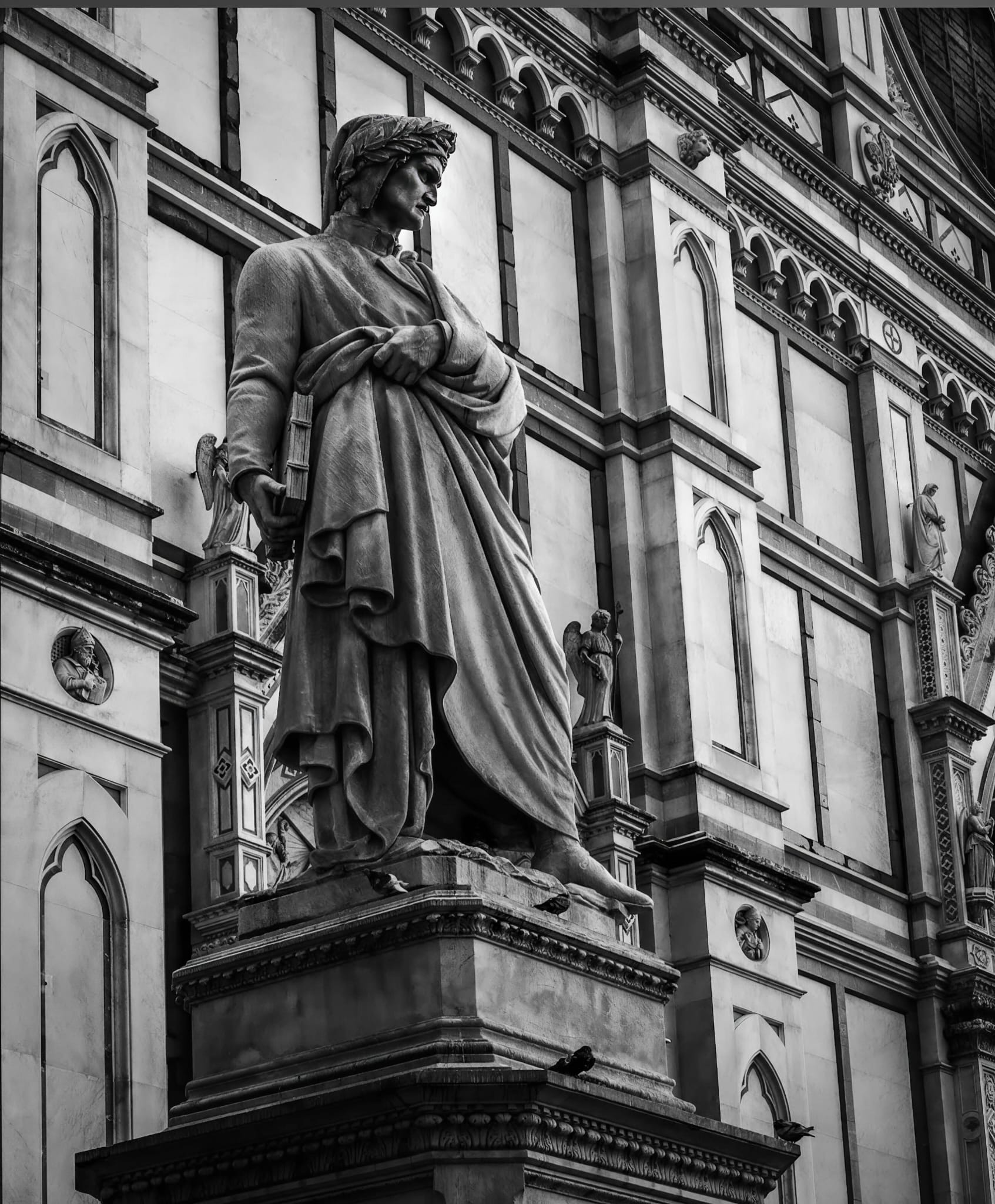
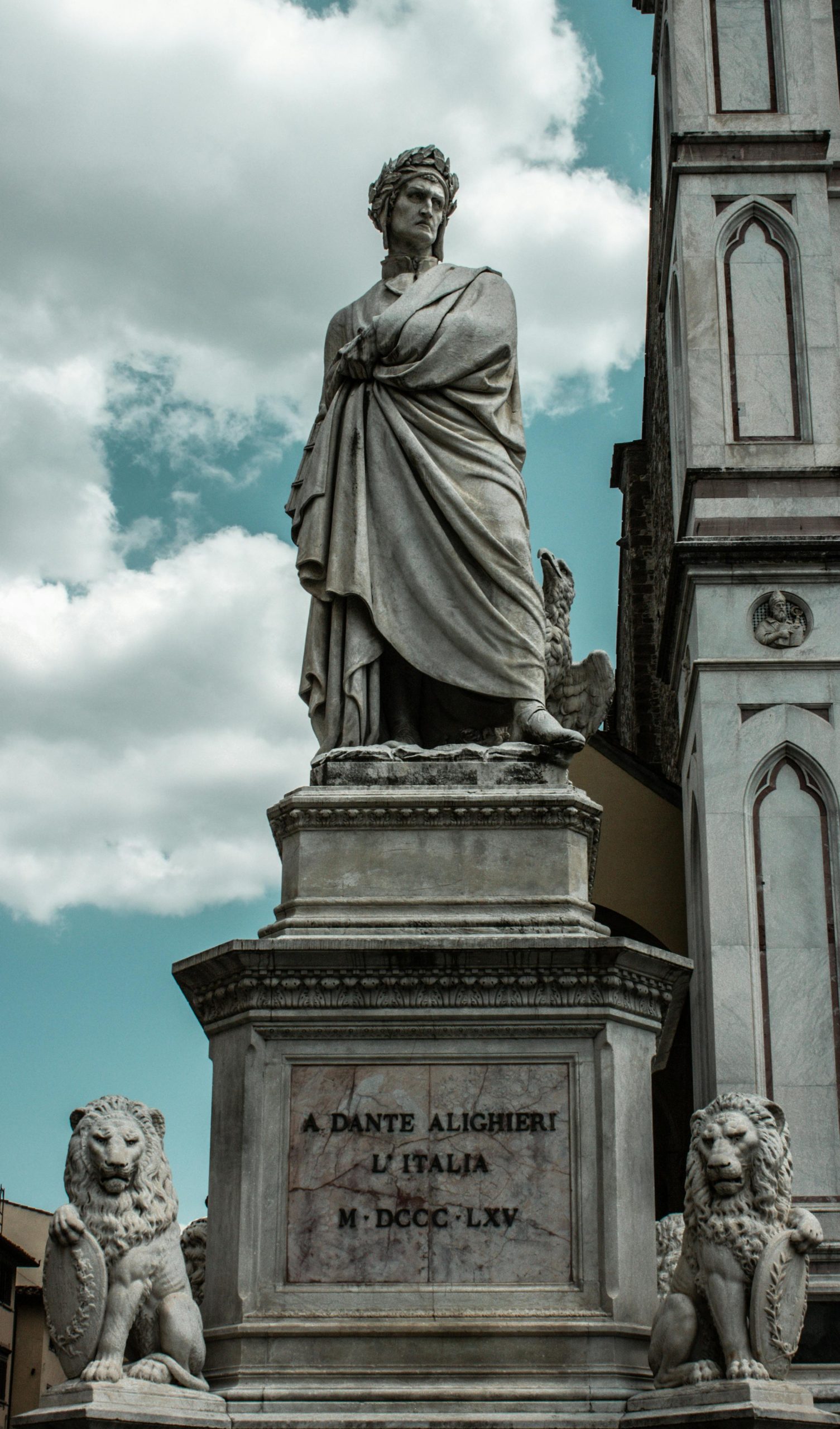
If we prefer Dante, we enter a Florence of violent contrasts, opposing factions, and undying civic passions. We walk through medieval streets as if reading a map of political tensions: tower-houses, small squares, and popular neighborhoods become physical clues to the fratricidal conflict that forced the poet into bitter exile. We present Dante not only as the author of the Divine Comedy, but as an active protagonist of painful public and personal choices. We read the stones of the city as signs of a time when words and public decisions shaped both individual and collective destinies.
Our approach is exclusive yet inclusive: we offer a high-quality experience, curated in every detail, combining the rigor of historical research with the pure pleasure of discovery. During the three hours, we alternate moments of attentive listening with pauses for observation, leaving room for your questions and shaping the tone of the narration around your interests: more analytical if you seek scholarly depth, more narrative if you prefer the evocation of myth and legend.
Every explanation is designed to give meaning and beauty, not just cold facts. We want the city to speak and, by listening to it, for you to take away a coherent, refined, and memorable vision. In these three hours, we transform a simple walk into a complete narrative experience: not merely a list of places visited, but a deep understanding of the human choices, ambitions, and forms that made Florence one of the most unique places in the world.