


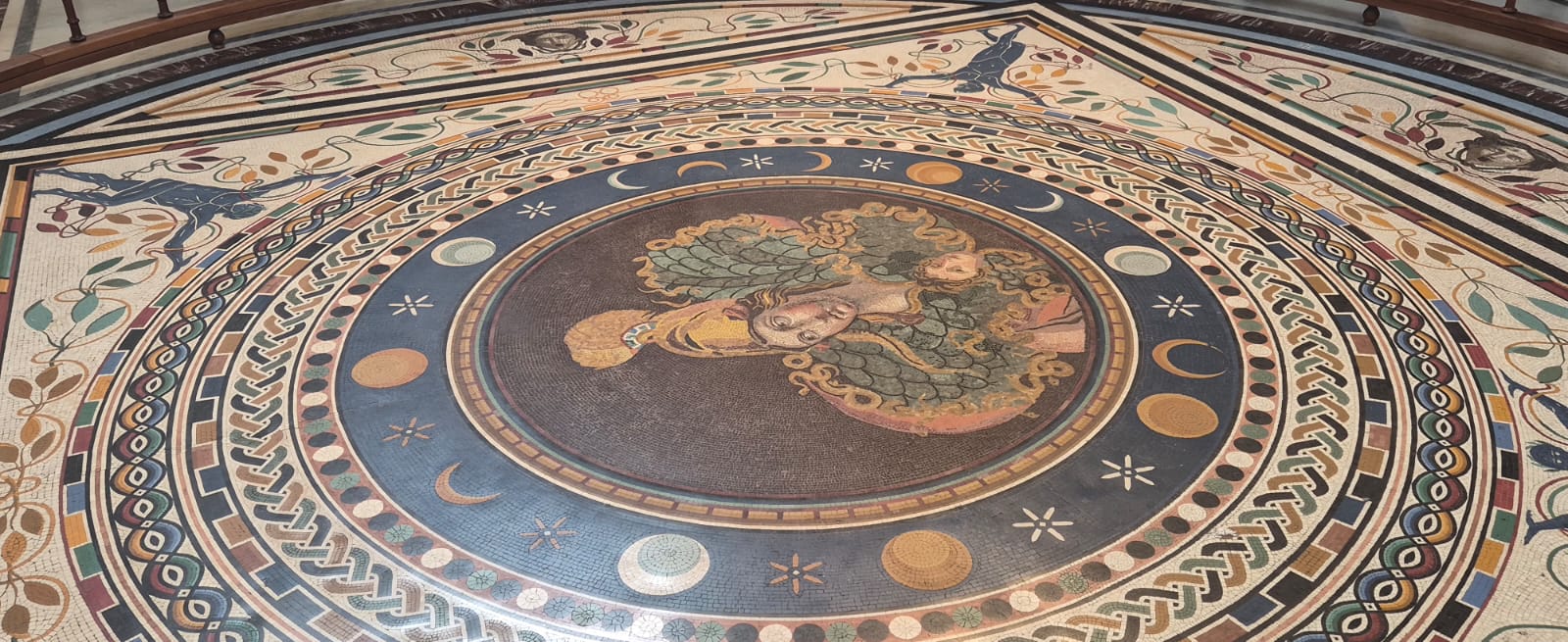


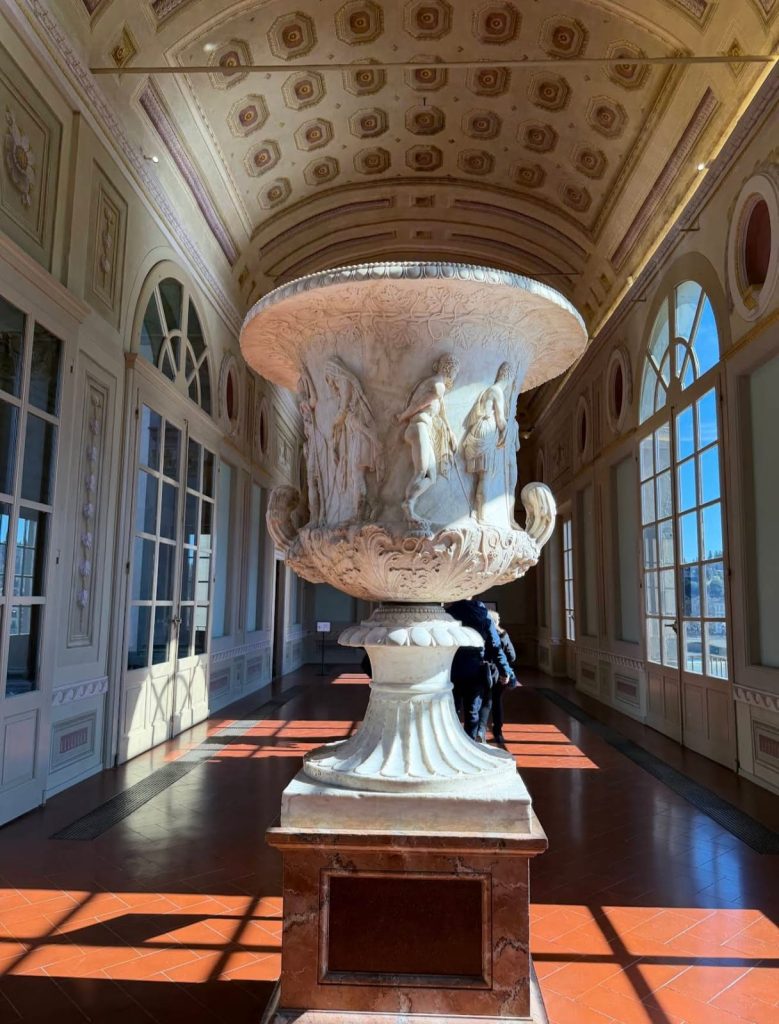
We do not wish to rush frenetically from room to room; instead, we move with deliberate slowness, carefully choosing what speaks most powerfully to the narrative thread we have decided to follow. In three hours, we transform the visit into an experience of cultural luxury — attentive, personal, and deeply engaging — where each work of art becomes the privileged starting point for understanding an entire era.
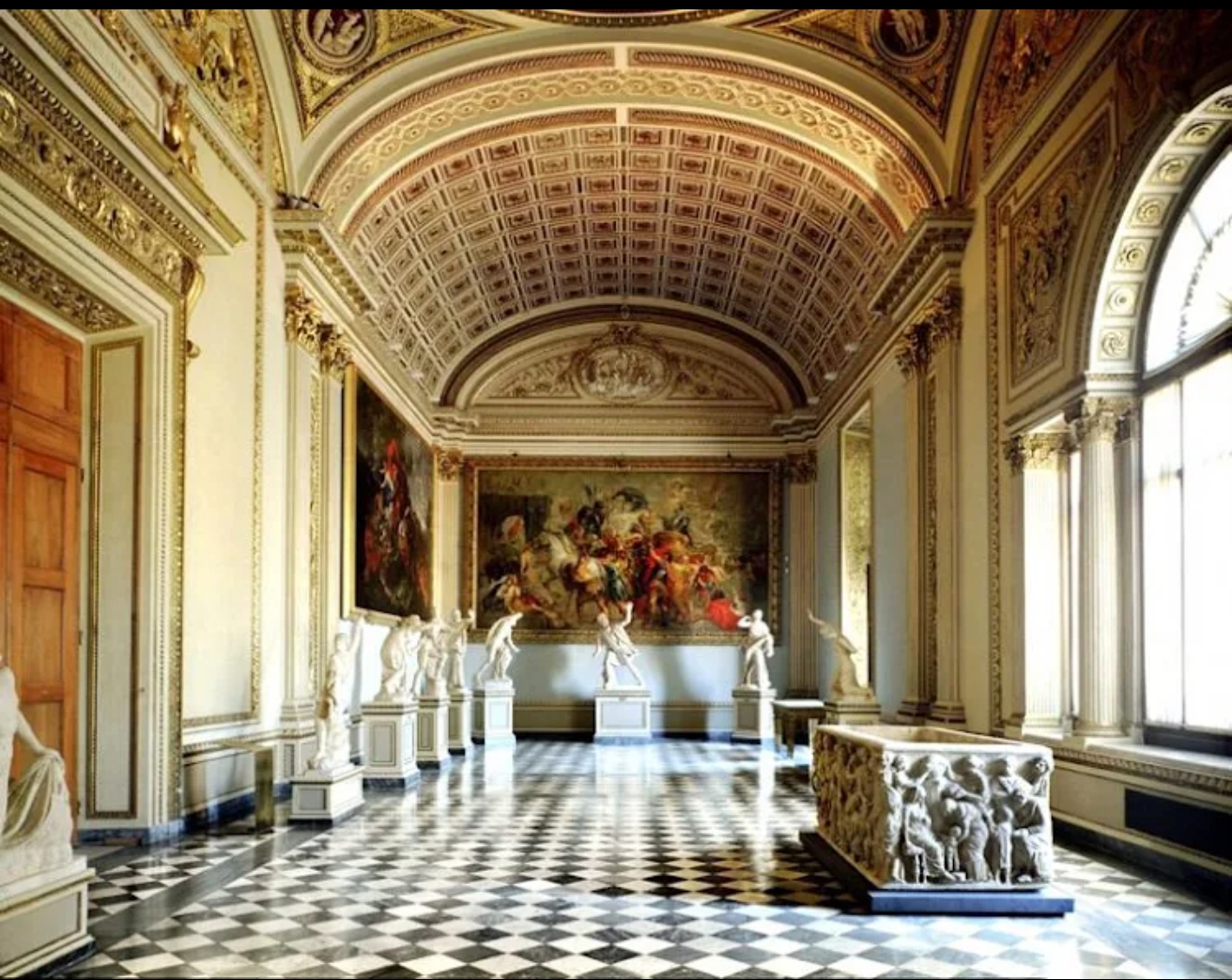
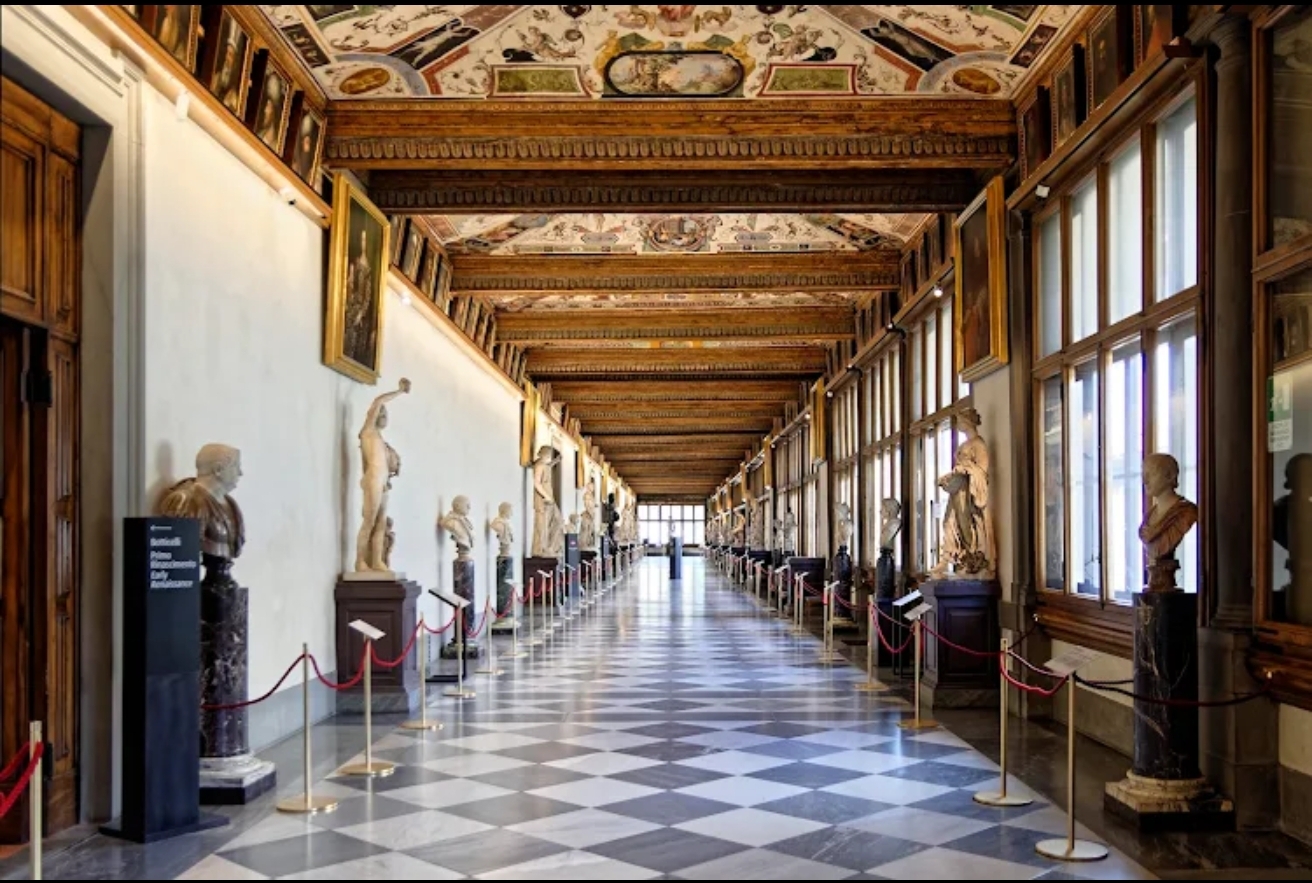
We begin with a first overall view of the collection: the arrangement of the works is not accidental, but rather a carefully designed setting, a museum project that tells how art was collected, preserved, and ultimately displayed over the centuries. In these rooms, we read not only the paintings themselves, but also the determined will of the patrons and the passion of the great collectors. Together, we explore the history of the Medici collections and the genesis of this exhibition space, conceived from the outset both to educate and to impress the viewer. This context helps guide our attention: what we admire are not simply isolated icons, but nodes within a dense network of cultural and political relationships.
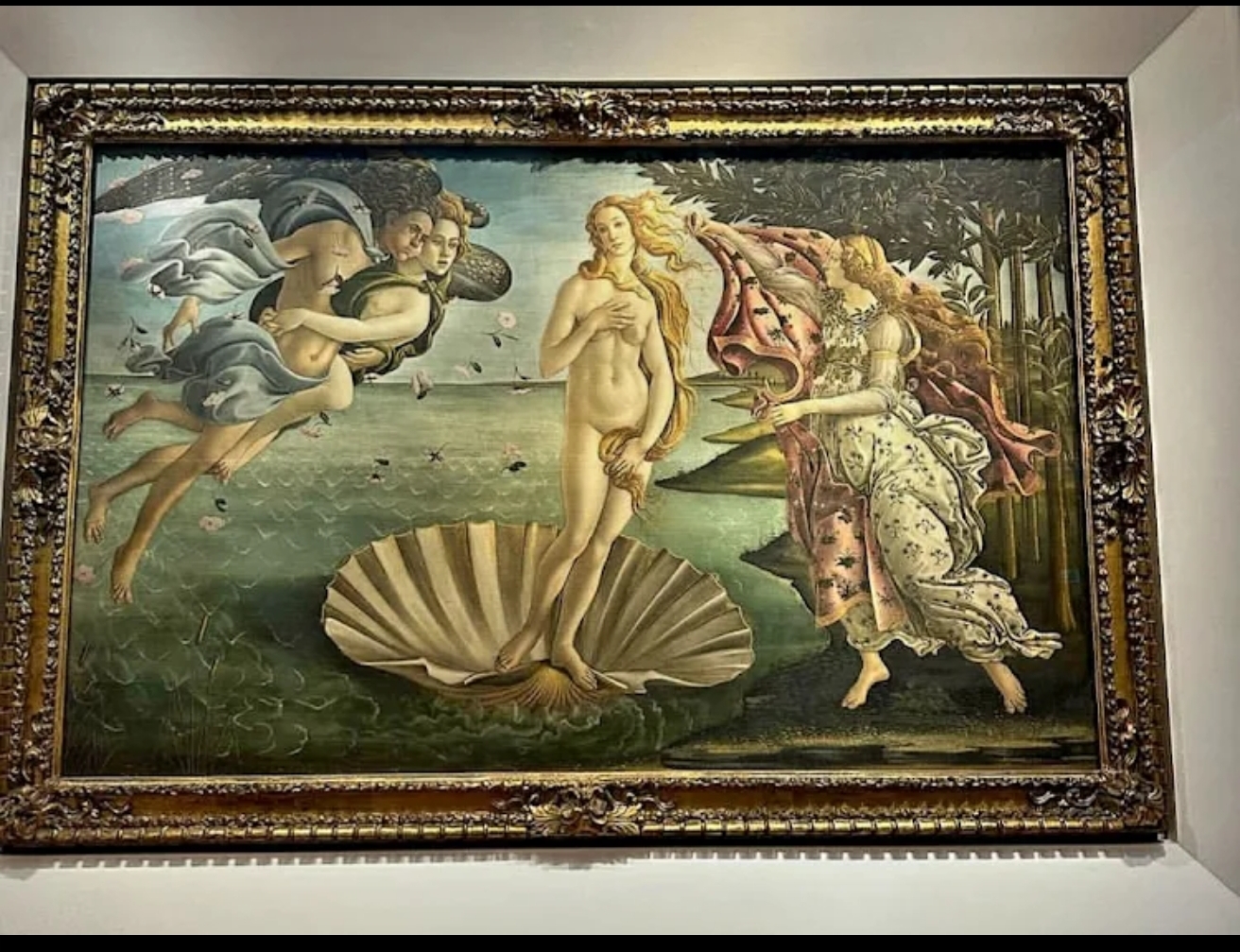
We then walk into the great narratives of the Renaissance, beginning with Giotto and his revolution in representation, which forever changed the way space was perceived. We encounter Botticelli with his floating figures, the expression of a refined idea of beauty infused with Neoplatonic symbols. We explain how painting acquired, in this period, not only new technical tools but also new meanings: perspective, the handling of light, and the study of anatomy became the necessary language for expressing complex political and spiritual ideas. Images became both public and private acts; we linger over the elements that make each painting unique — the brushstroke that betrays a specific training, the detail that reveals a precise relationship of power, the subject that speaks directly to the ambitions of a proud city.
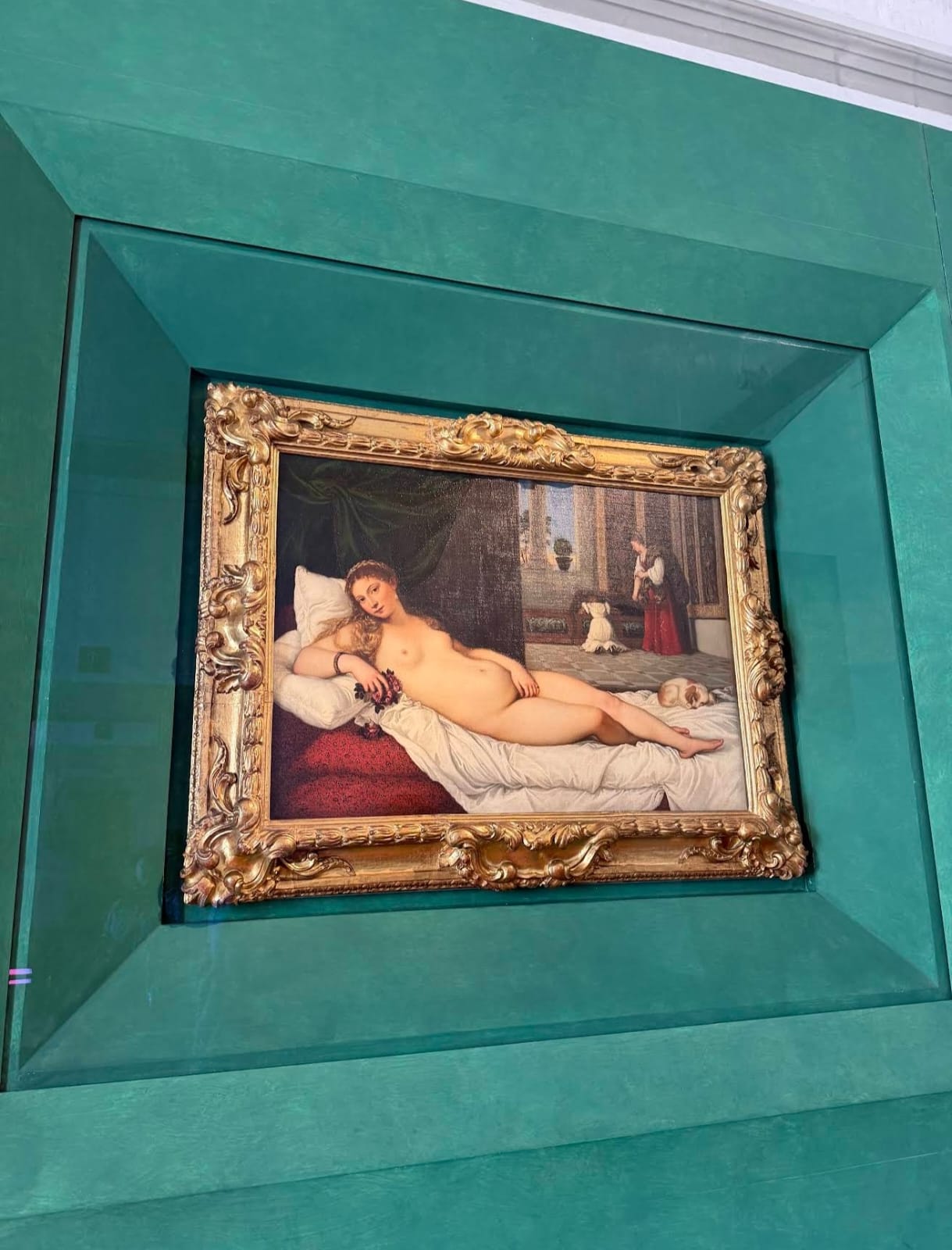
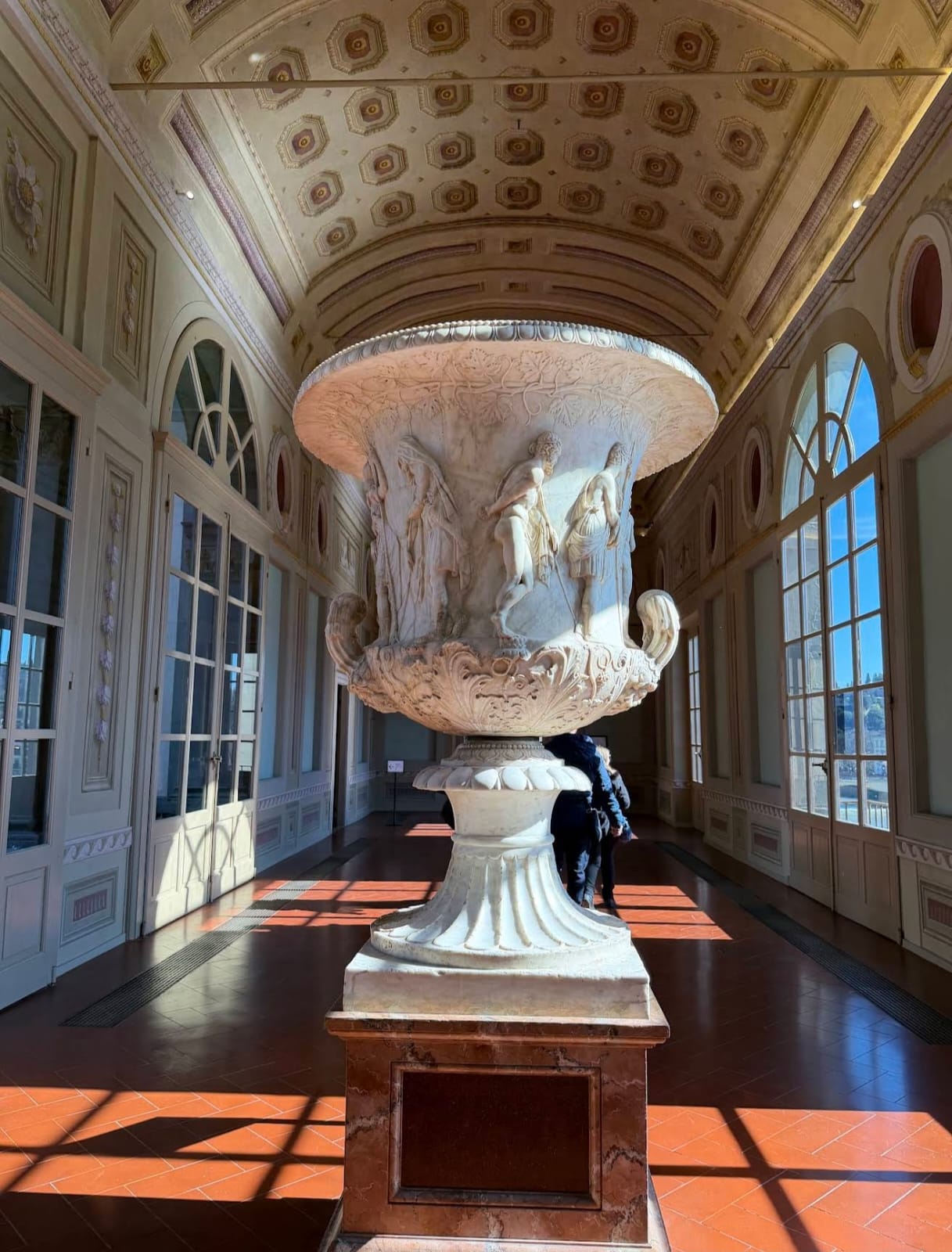
Finally, we arrive at the encounter with the “three giants”: Leonardo, Raphael, and Michelangelo. Here our tour takes the form of an intimate and passionate comparison between opposing visions of the world. We guide the group through the subtle nuances that distinguish each master: we analyze Leonardo’s scientific inquiry and his obsession with movement and sfumato; we observe Raphael’s calculated grace and perfect compositional balance; we feel the heroic tension and the almost marble-like plastic force in Michelangelo, which recalls his sculptural experience. For us, this is not about listing famous names or dates, but about relating vibrant artistic personalities, demanding patrons, and precise historical contexts. We analyze how the courts, academies, and lively intellectual disputes of the time influenced and shaped the aesthetic profile of each of these geniuses.
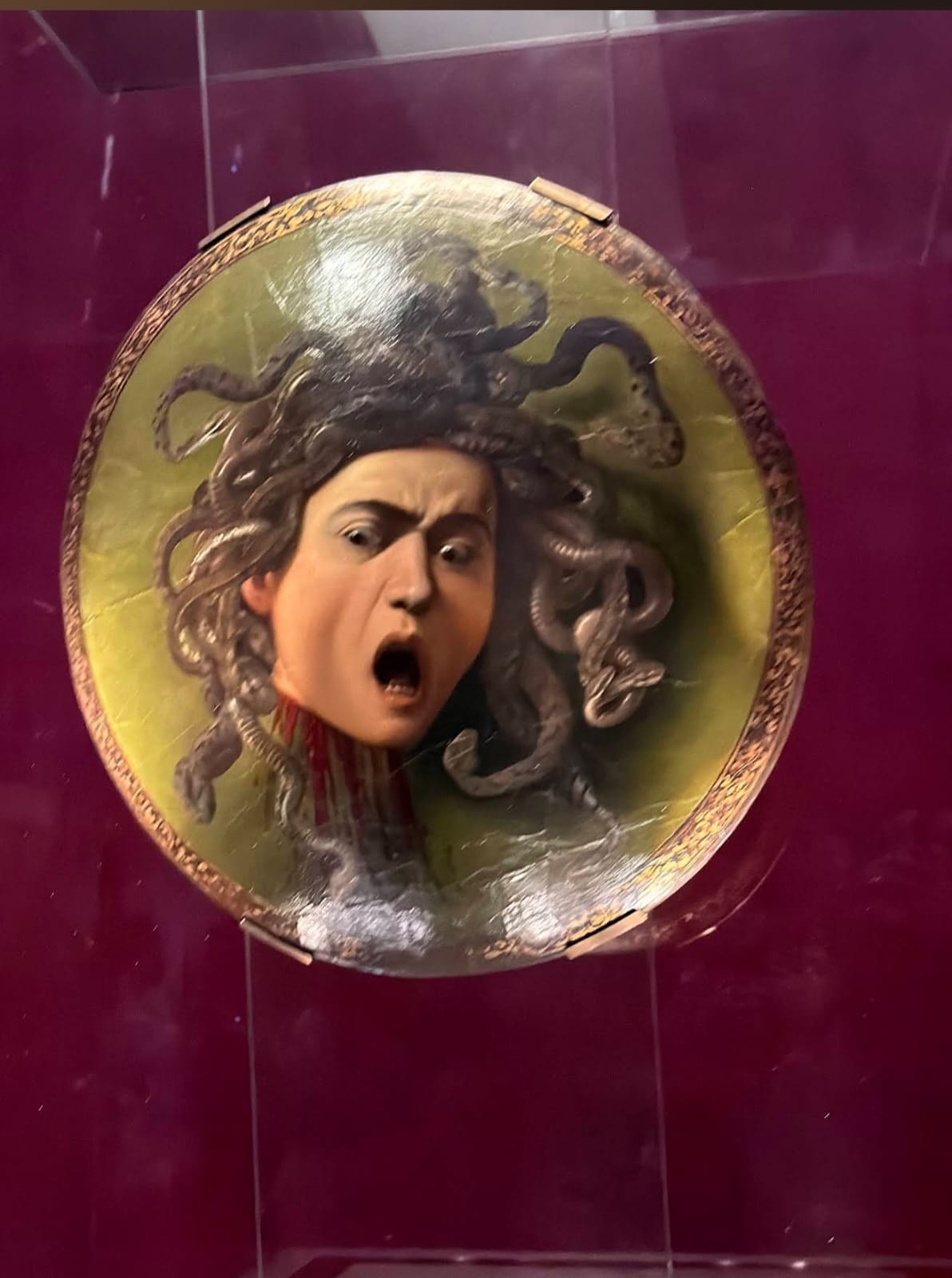
Throughout the visit, we constantly alternate space for technical analysis with pure storytelling: we explain painting procedures and the secrets of the craft, while skillfully weaving in workshop anecdotes, tormented biographical journeys, and curiosities that make the experience vivid and alive. Each work becomes an opportunity to understand concretely how beauty was produced — which materials, which tools, which models were chosen — and how that same beauty circulated through the world, creating fashion, political consensus, and an indestructible civic identity. We want you to clearly perceive the constant dialogue between the artist’s hand and mind, between creative impulse and strategic choice.
Our experience is rigorously tailored: we adjust the pace of the museum walk according to the reactions of the group, deepening the themes that arouse the greatest curiosity and leaving all the necessary space for silence when a work calls for solitary contemplation. We offer layered interpretations ranging from the deepest allegorical symbolism to the smallest technical details, from female patrons who acted intelligently in the shadows to the transnational relationships that brought Flemish works and innovative ideas to Florence. This approach allows us to give back a complex vision of the museum: a collection that is at once a testimony to artistic excellence and a faithful mirror of the social and political dynamics of another age.
We conclude the tour by lingering for a moment in a room that has particularly struck us, encouraging open questions and a final conversation that helps crystallize the impressions of the day. We leave the Uffizi with the feeling of having taken part in something far deeper than a simple guided visit: we have shared an aesthetic and intellectual experience designed to endure over time. As we step बाहर, we carry with us not only a sequence of spectacular images, but also a sharper understanding of the role Florence played in the history of art and of the way images helped build power, culture, and collective memory.
This is our invitation: to experience the Uffizi as an act of cultural luxury — attentive, informed, and profoundly human — capable of transforming the simple viewing of a painting into a lasting understanding of the genius loci of this city.