




We offer a day that combines two UNESCO sites in a single dense and coherent route: Pompeii, the Roman city “crystallized” by the eruption of 79 AD, and Herculaneum, famous for the exceptional state of preservation of its buildings and furnishings. This itinerary is designed for those who want a high-density cultural immersion, with two different archaeological contexts offering complementary keys to Roman urban life.
We organize the day to optimize timing and transfers: the recommended sequence includes visiting the larger site - Pompeii - and then moving to Herculaneum, or vice versa depending on logistics and opening hours. In any case, we coordinate transfers, meeting points, and entry times to avoid unnecessary waiting and make the best use of the available hours.
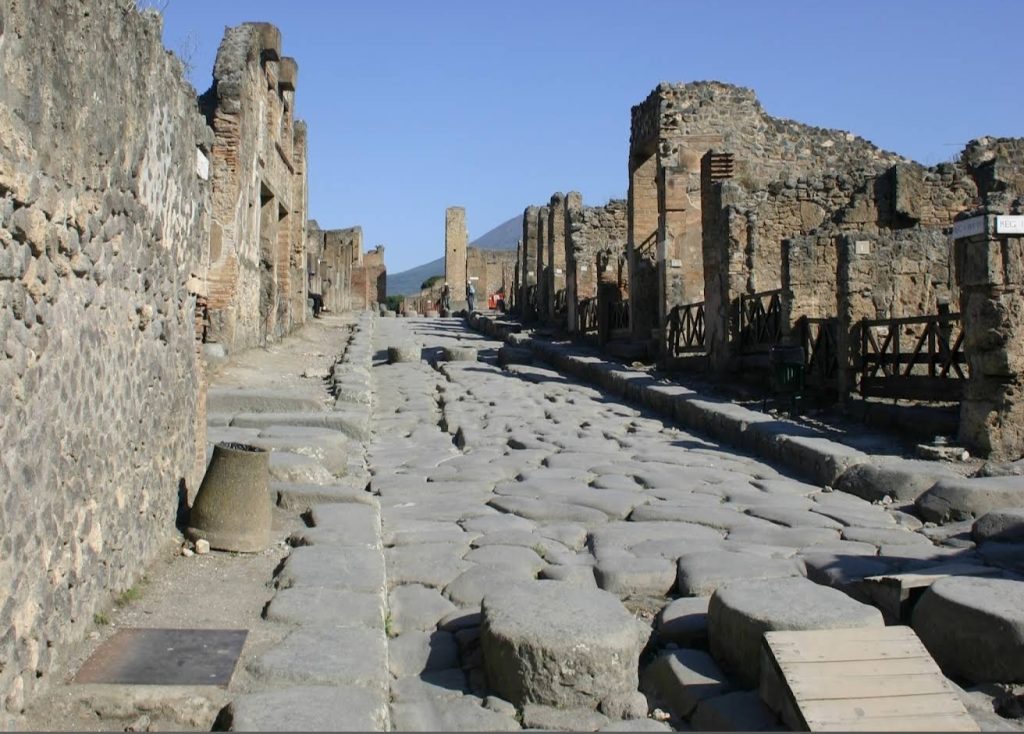
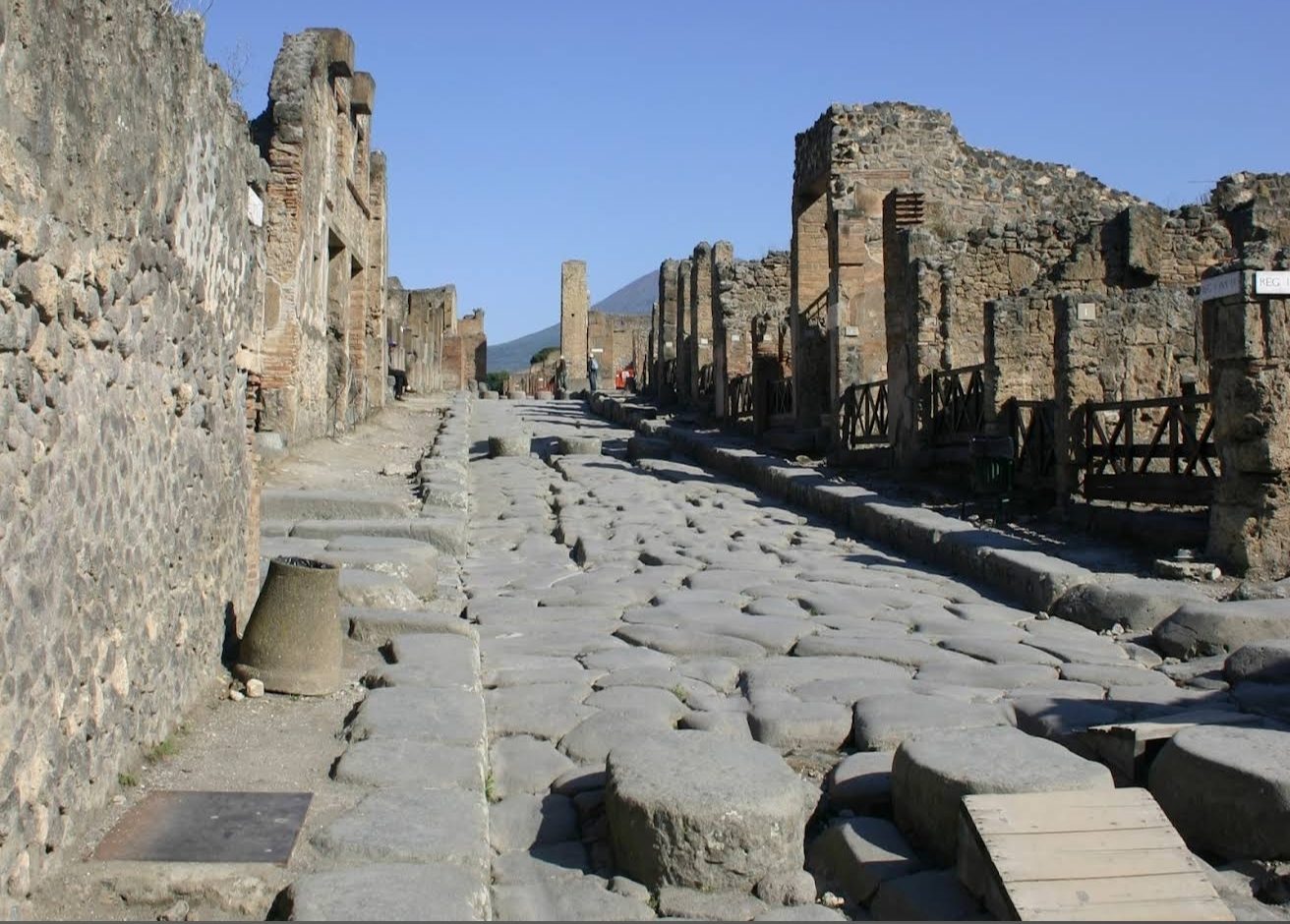
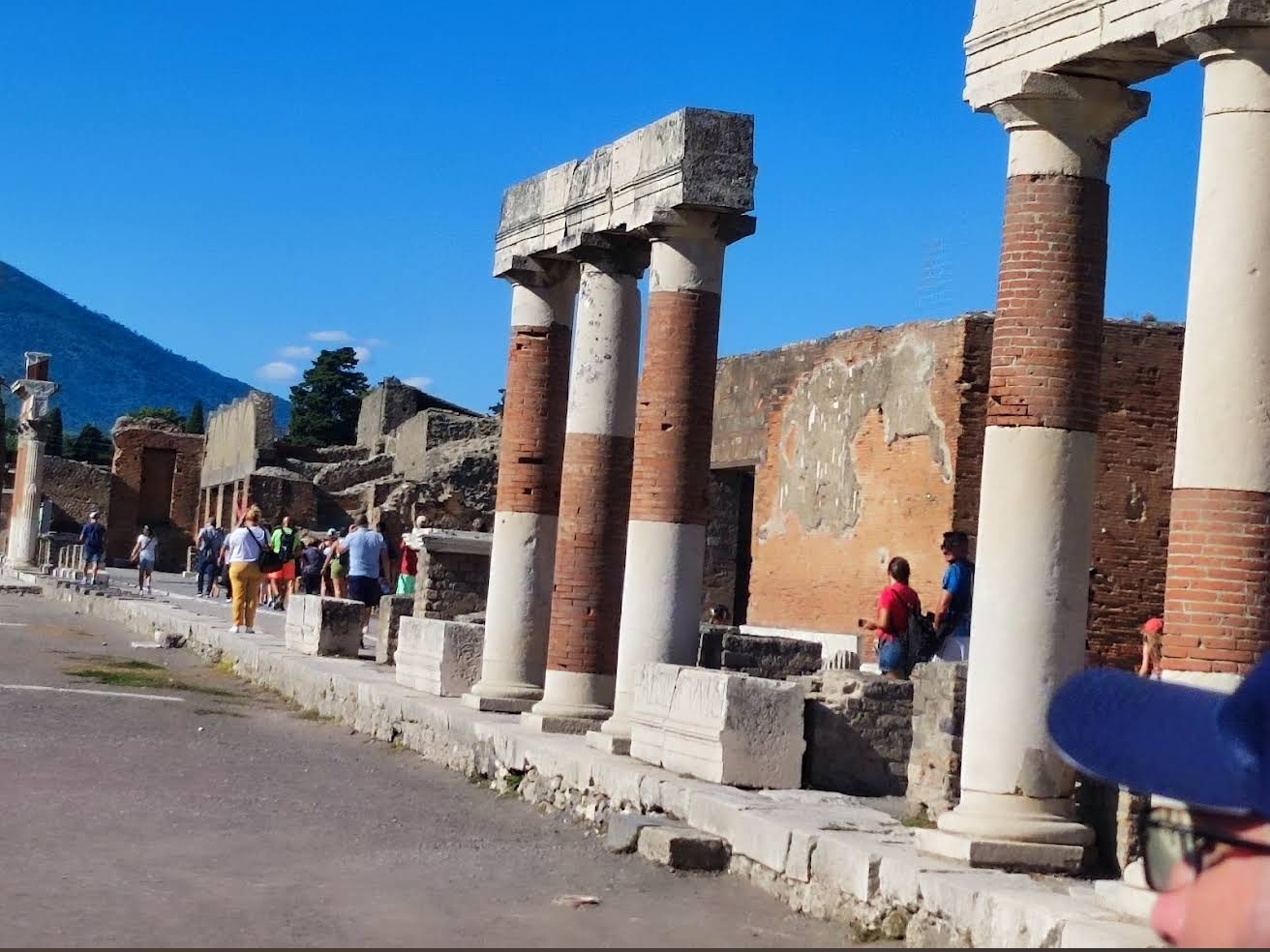
In Pompeii we help you understand how urban planning, domestic architecture, and public spaces reflected a lively and stratified city. Walking through paved streets, decorated domus, shops, and public buildings, we reconstruct trade, social relations, and private and public religiosity.
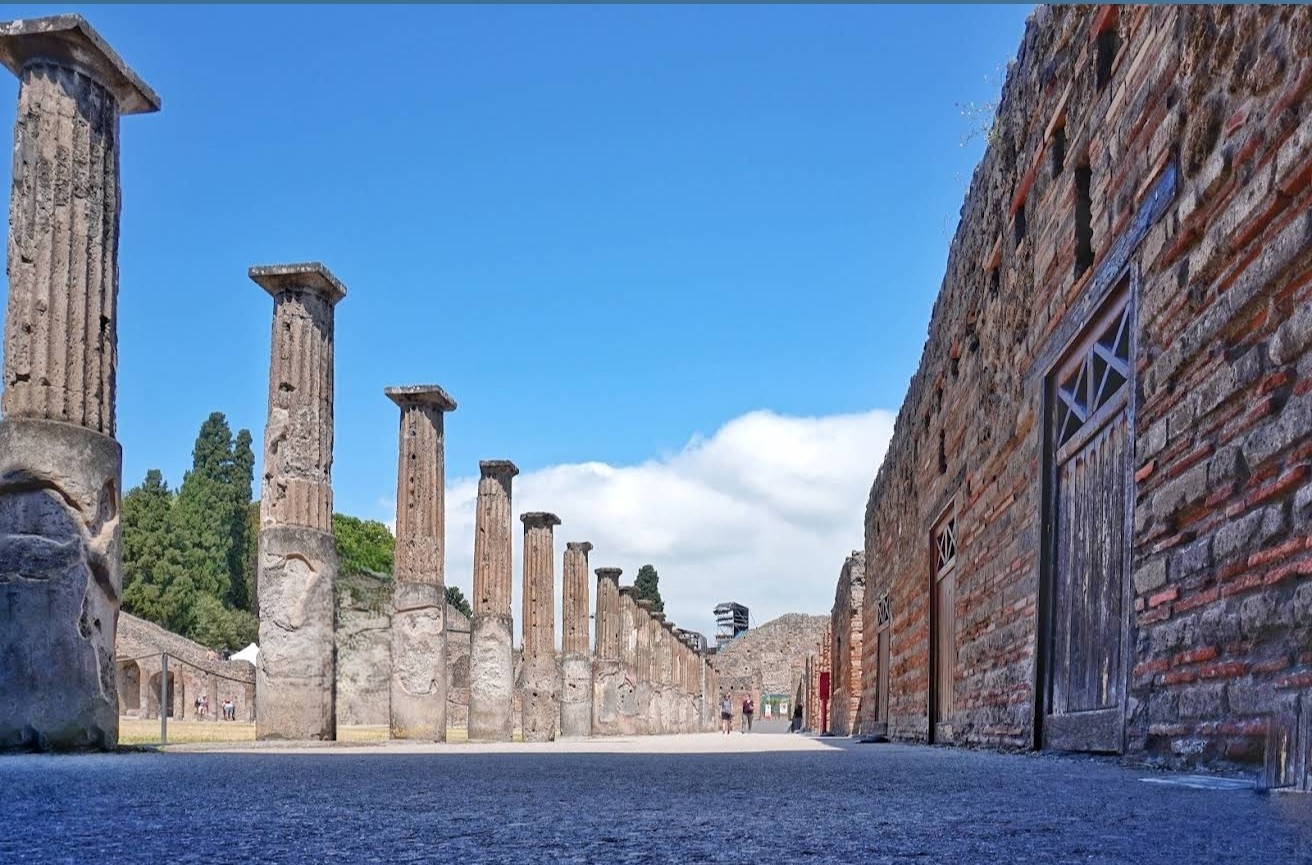
In Herculaneum the experience is different and complementary: the city was buried by pyroclastic flows that preserved structures, furniture, and wooden elements in a surprising way. This exceptional conservation makes the domestic dimension of Roman life particularly vivid.
Throughout the day we alternate historical-archaeological explanations with practical observations. The approach is always aimed at making the heritage accessible: we use clear language, simple mental maps, and visual references that help orientation. We also plan calibrated breaks for rest and photographs.
We also manage logistics: entrance tickets, queue times, meeting points, and, if requested, transfers between the sites. If you would like specific in-depth themes, we can adapt the visit accordingly without compromising the rest of the itinerary.
In summary, our goal is to let you experience an intense but organized day, leaving you with a richer understanding of what a “Roman city” meant, concrete comparisons between Pompeii and Herculaneum, and clear images that remain with you after the visit.