




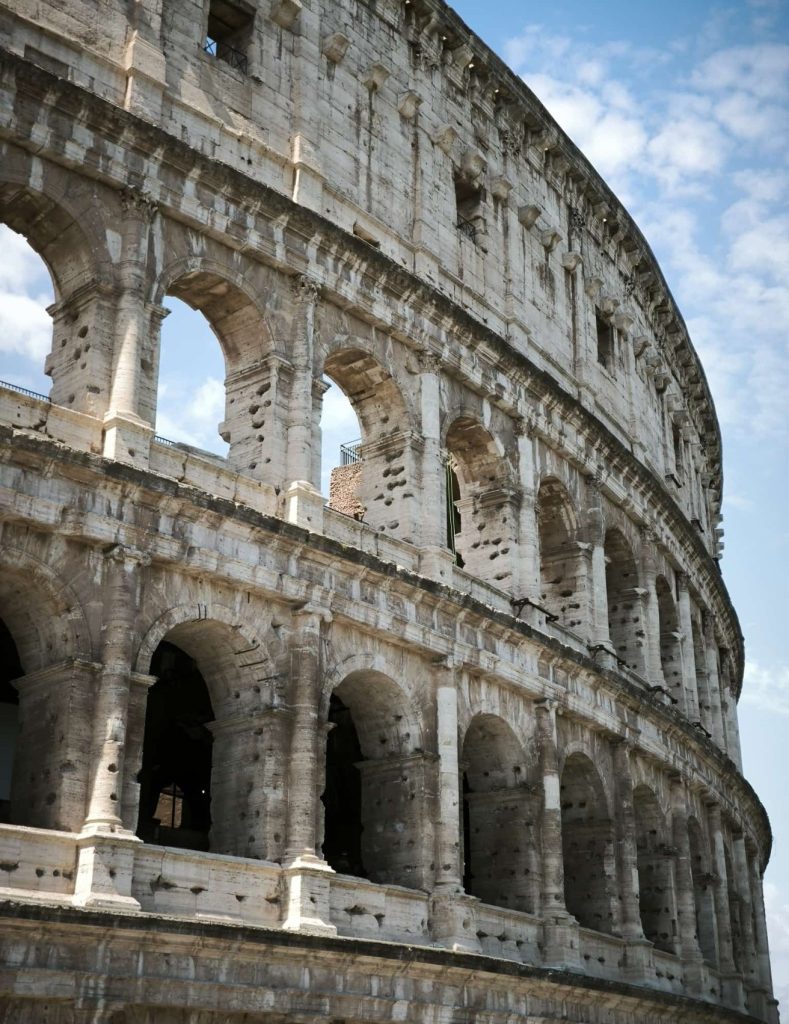
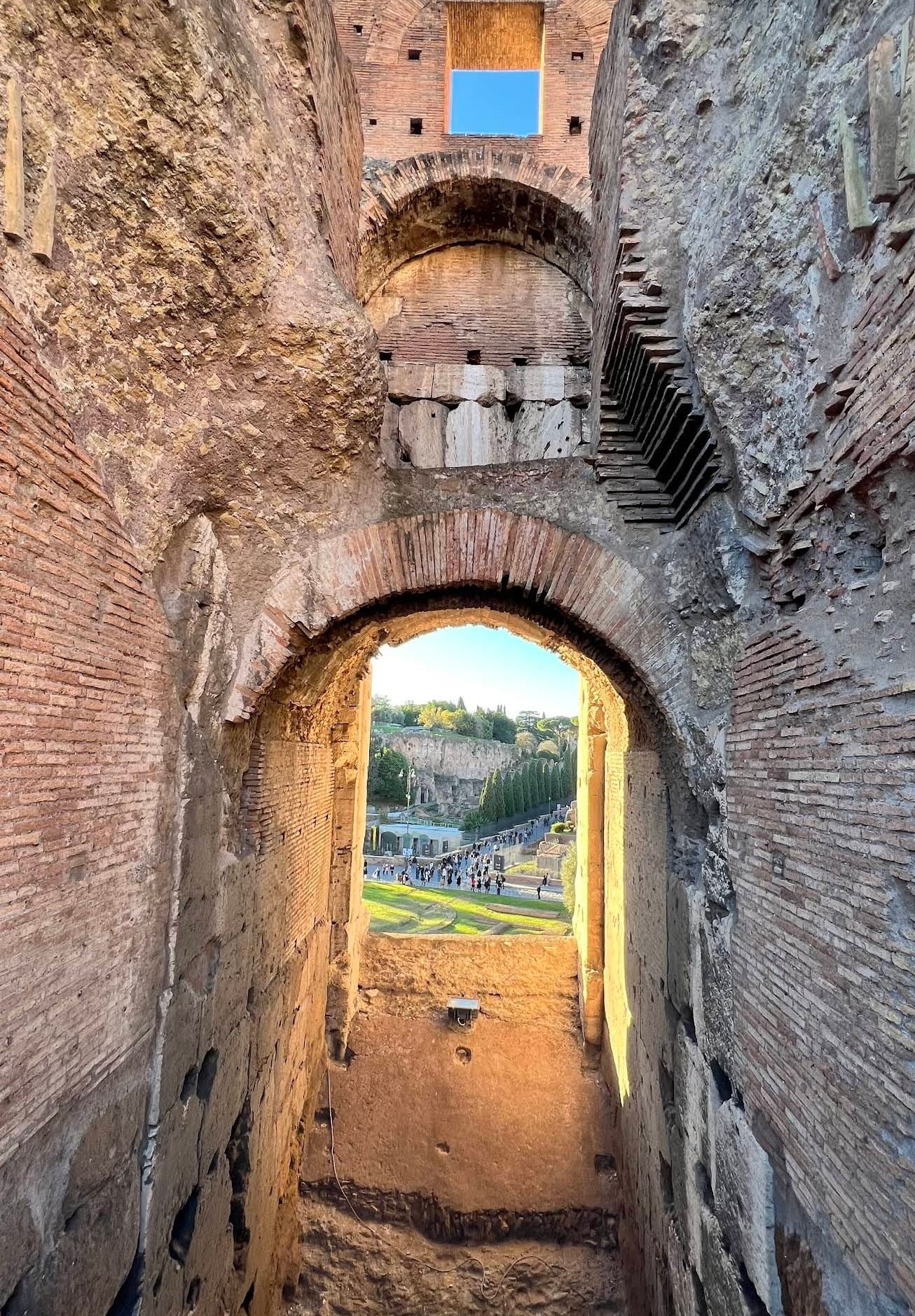
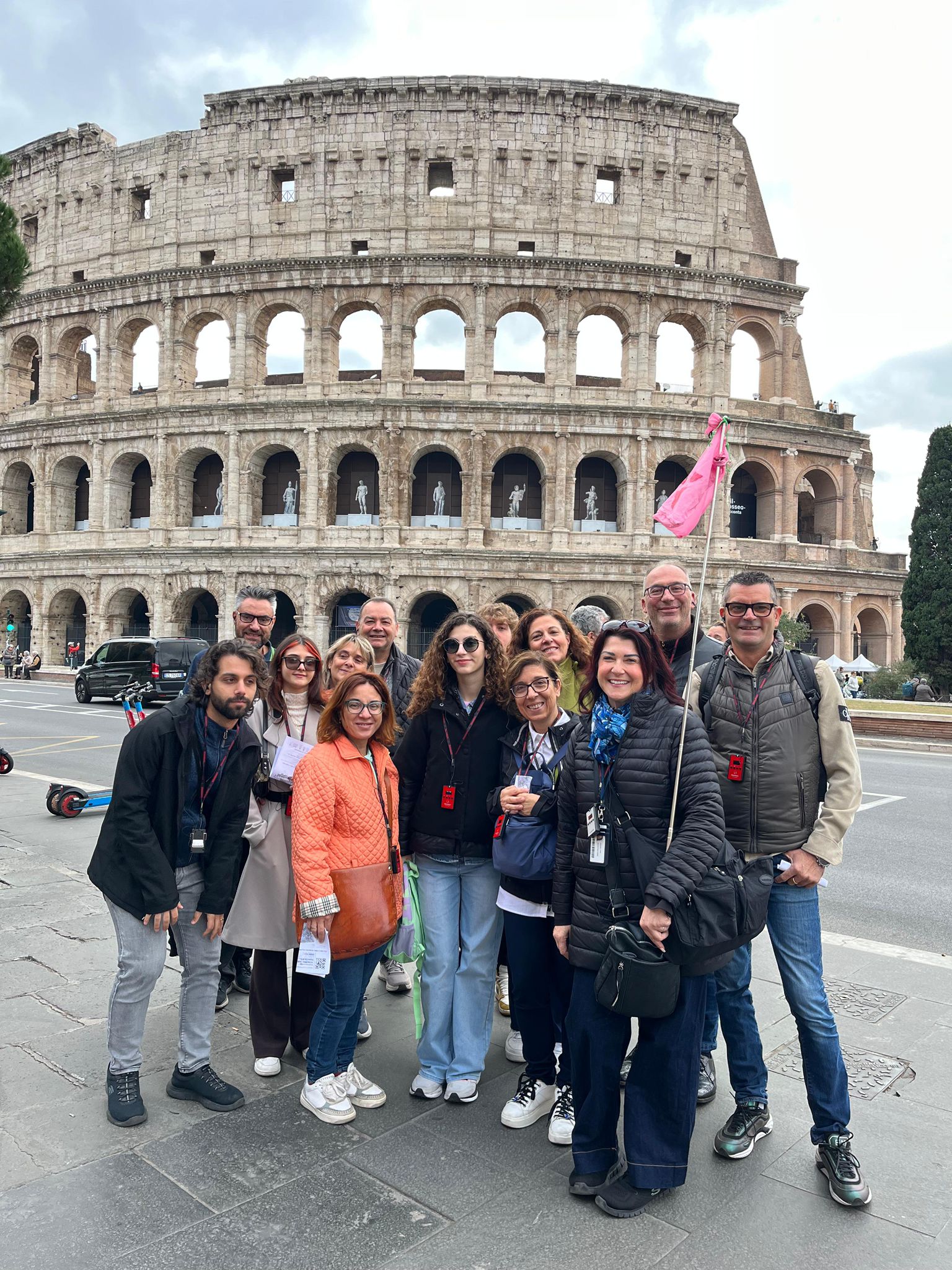
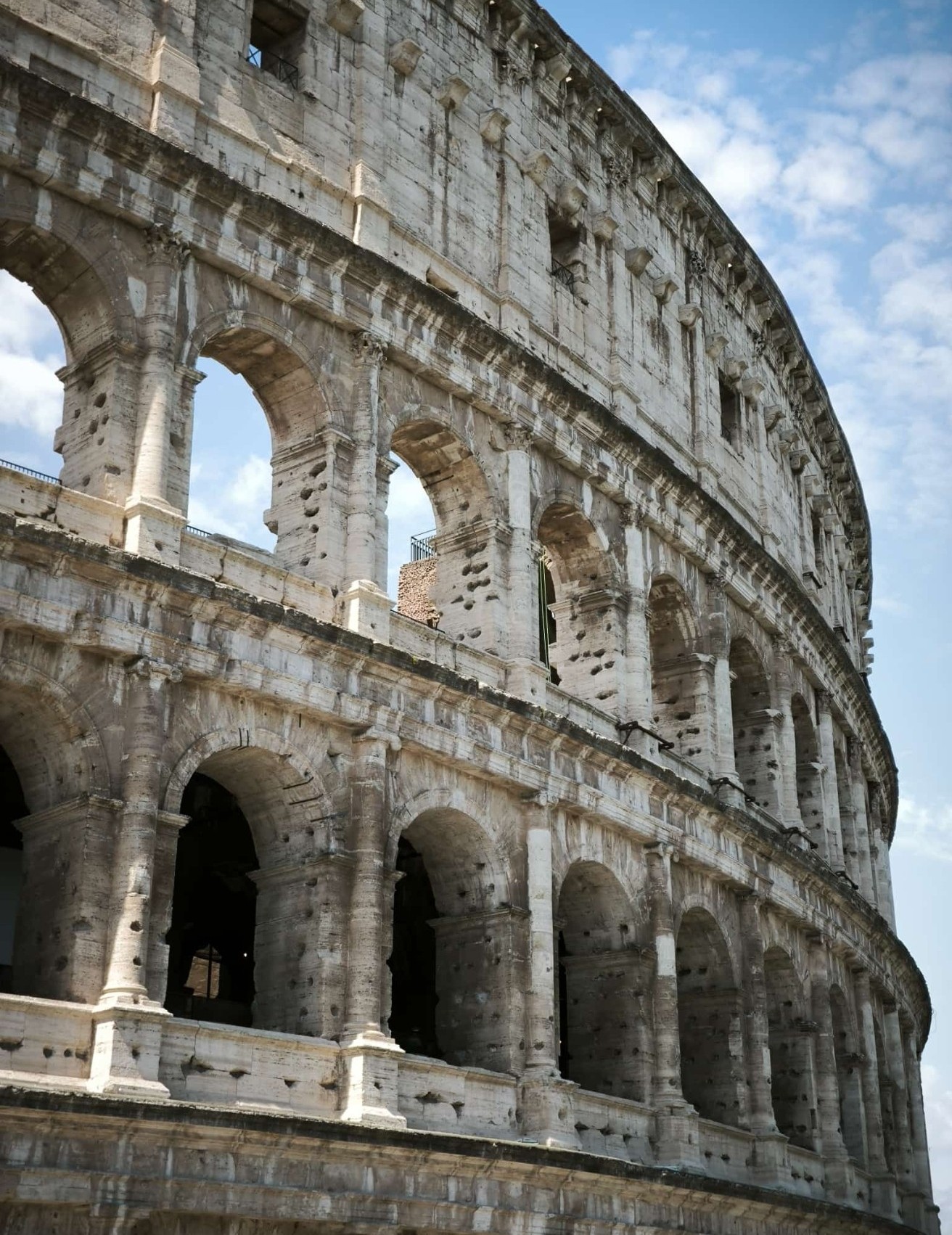
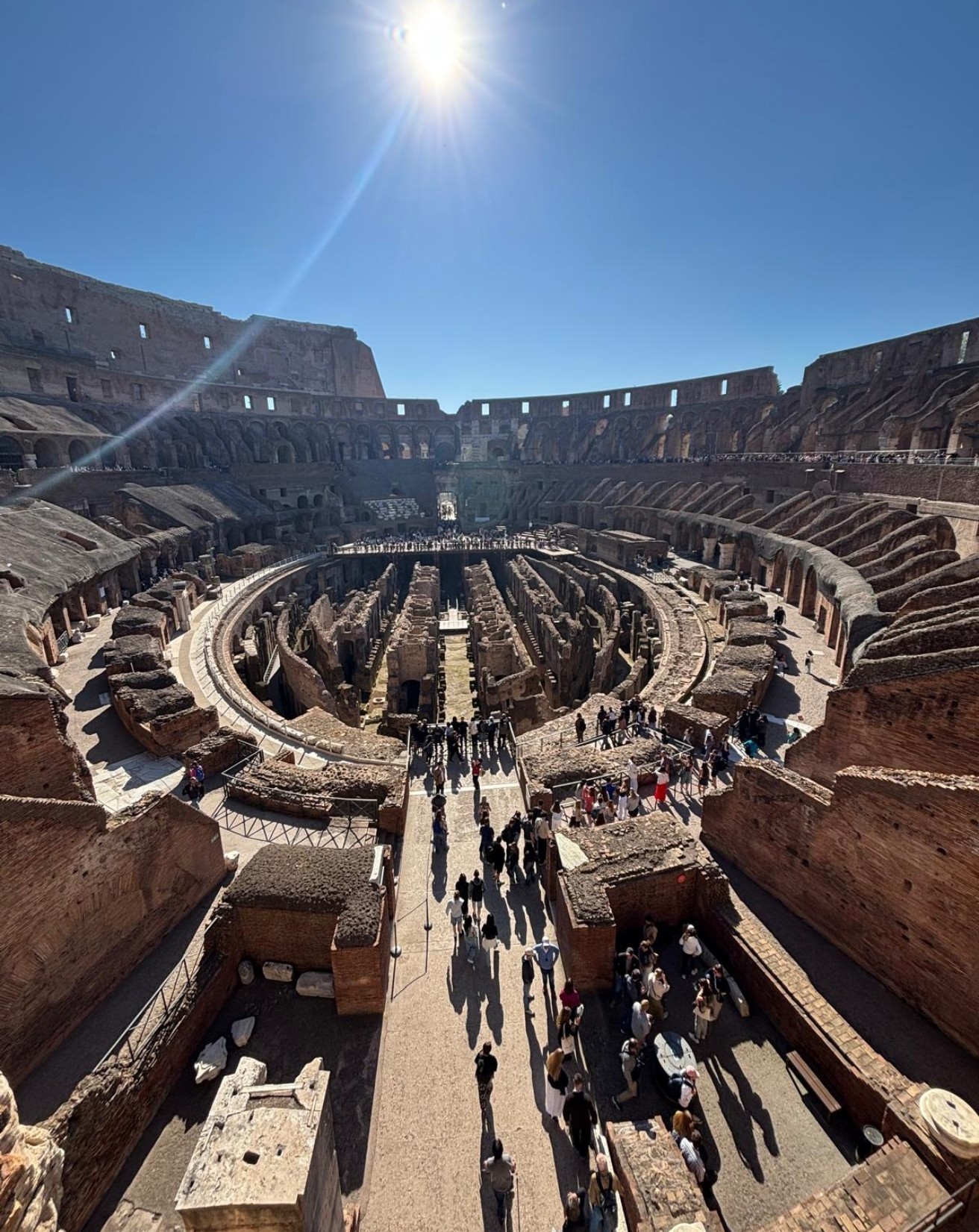
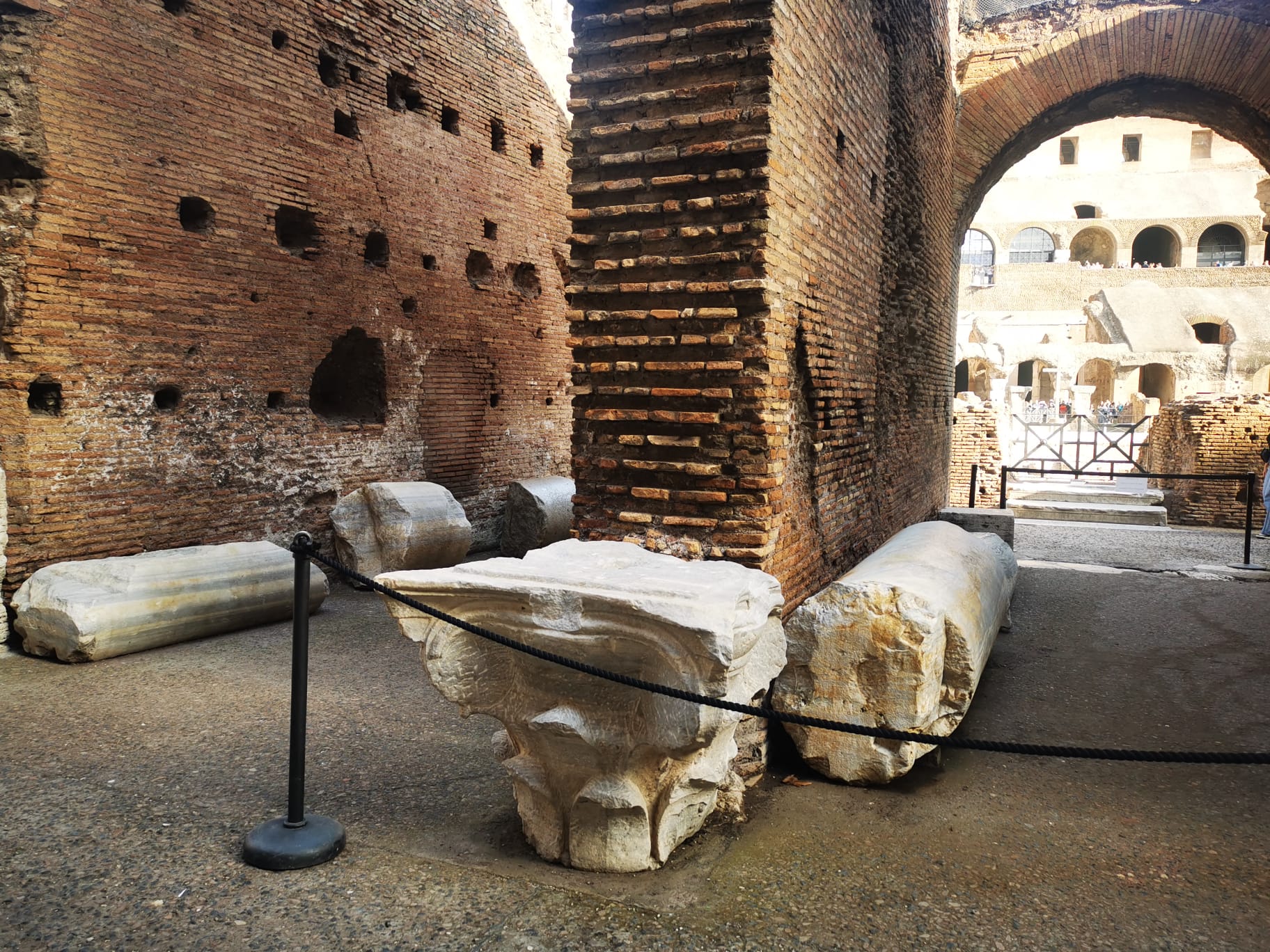
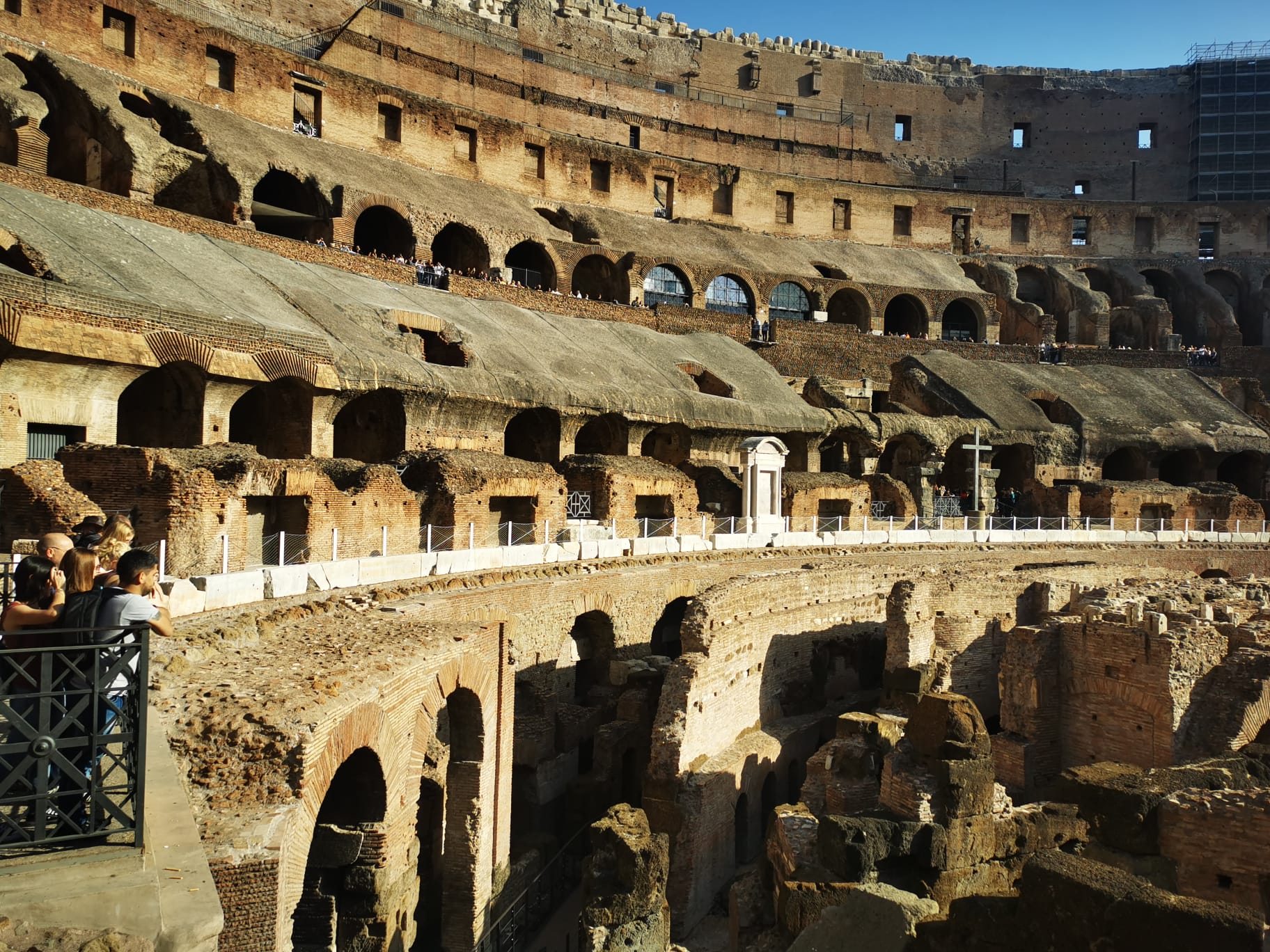
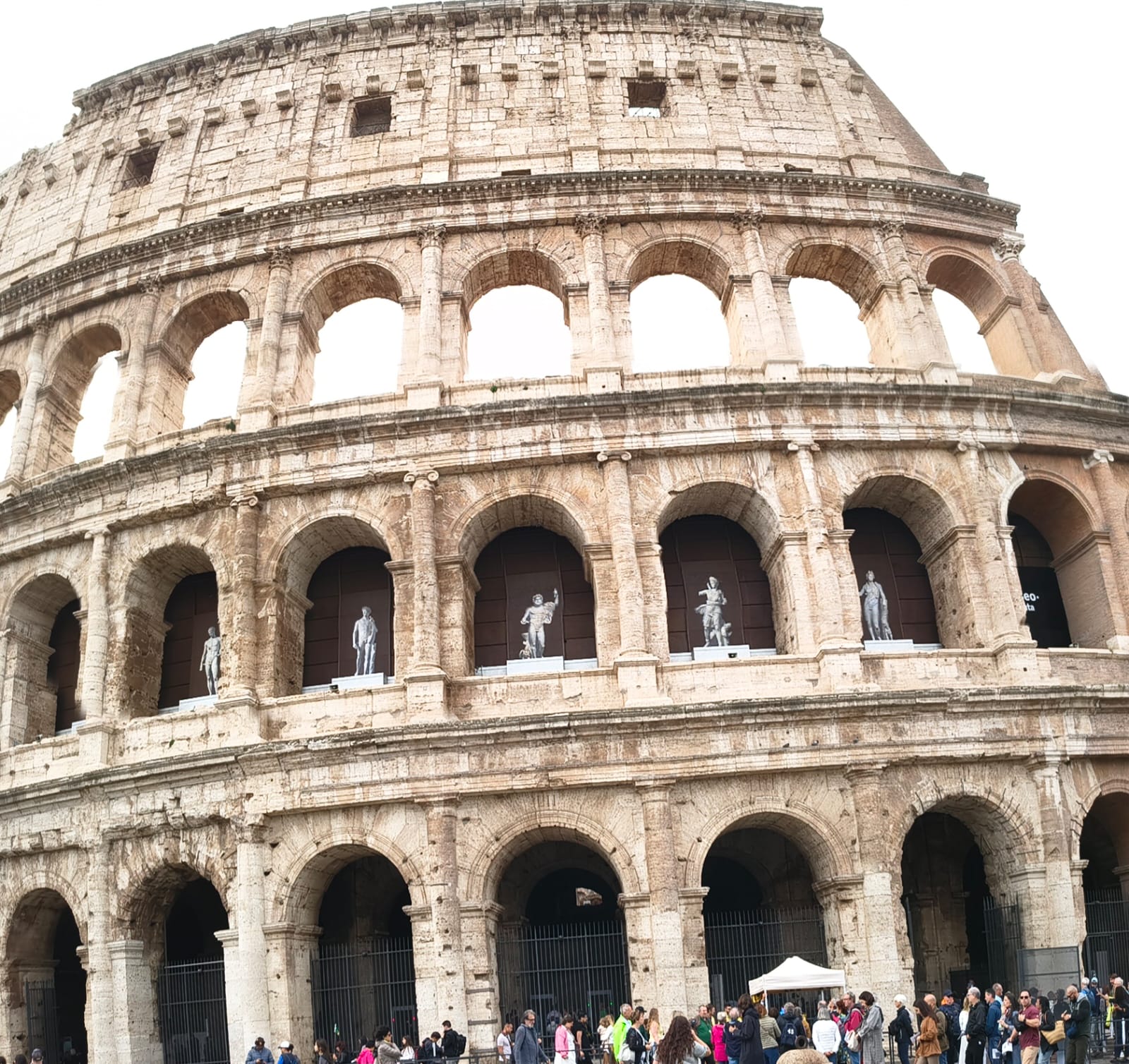
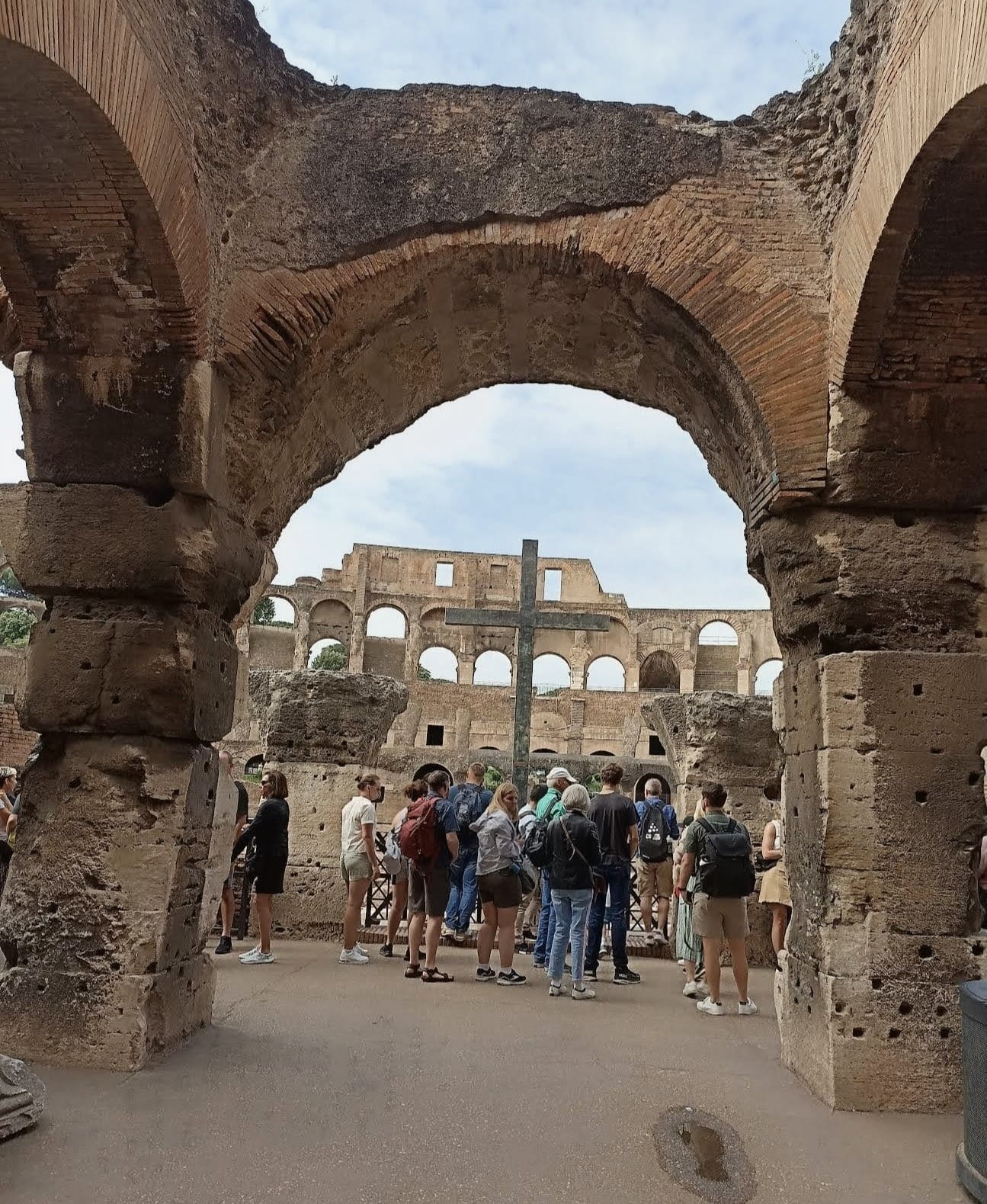
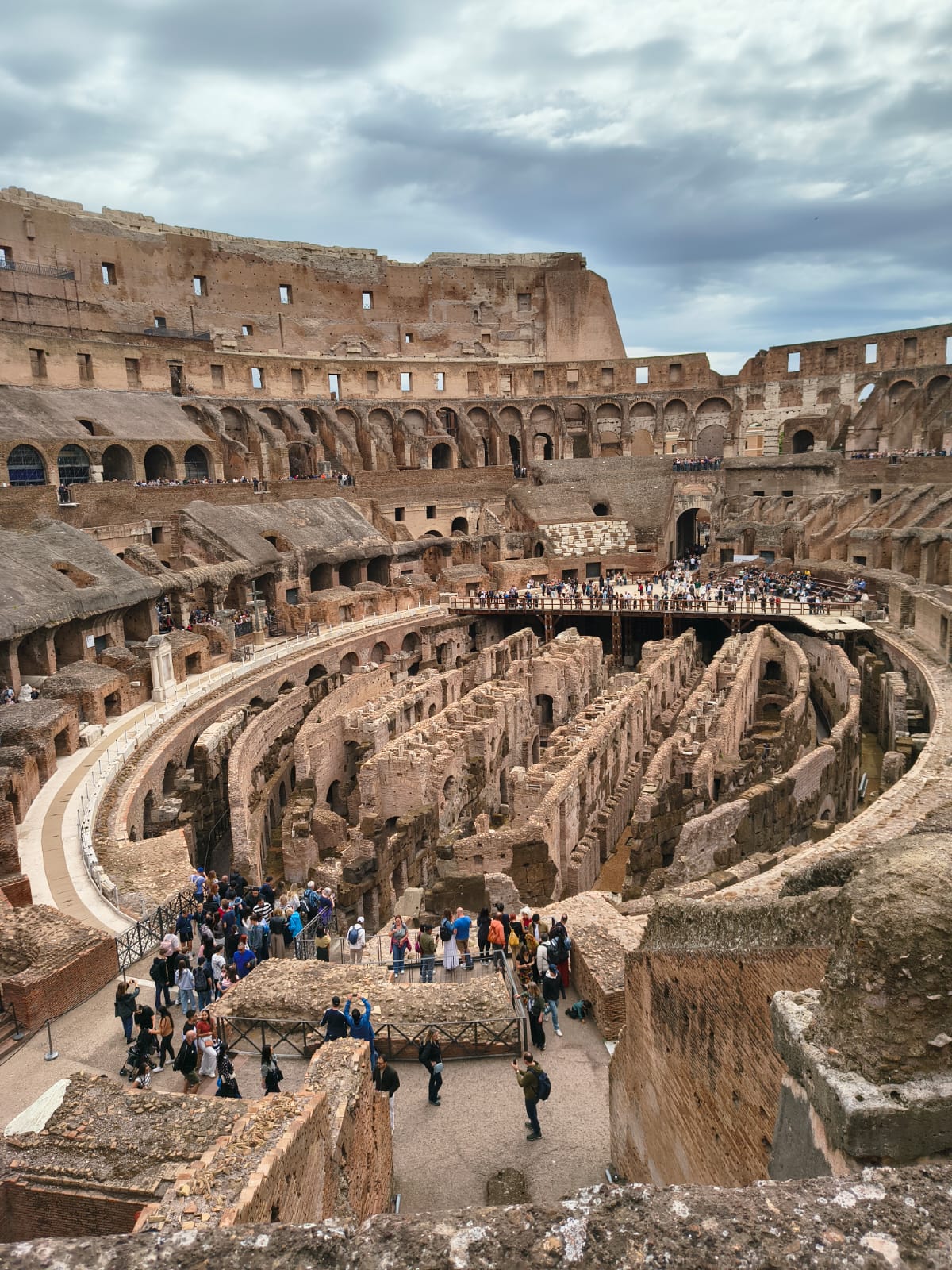
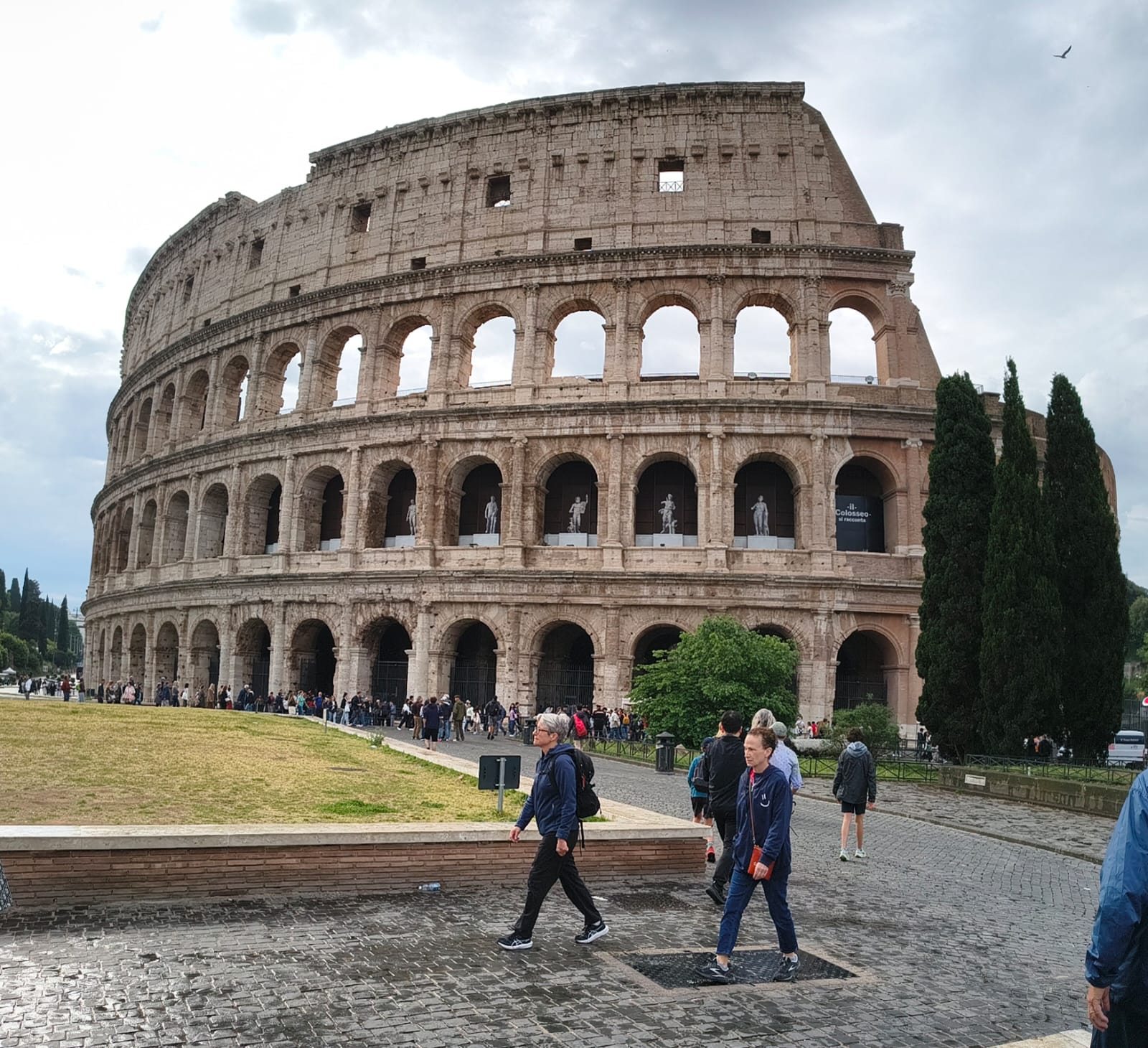
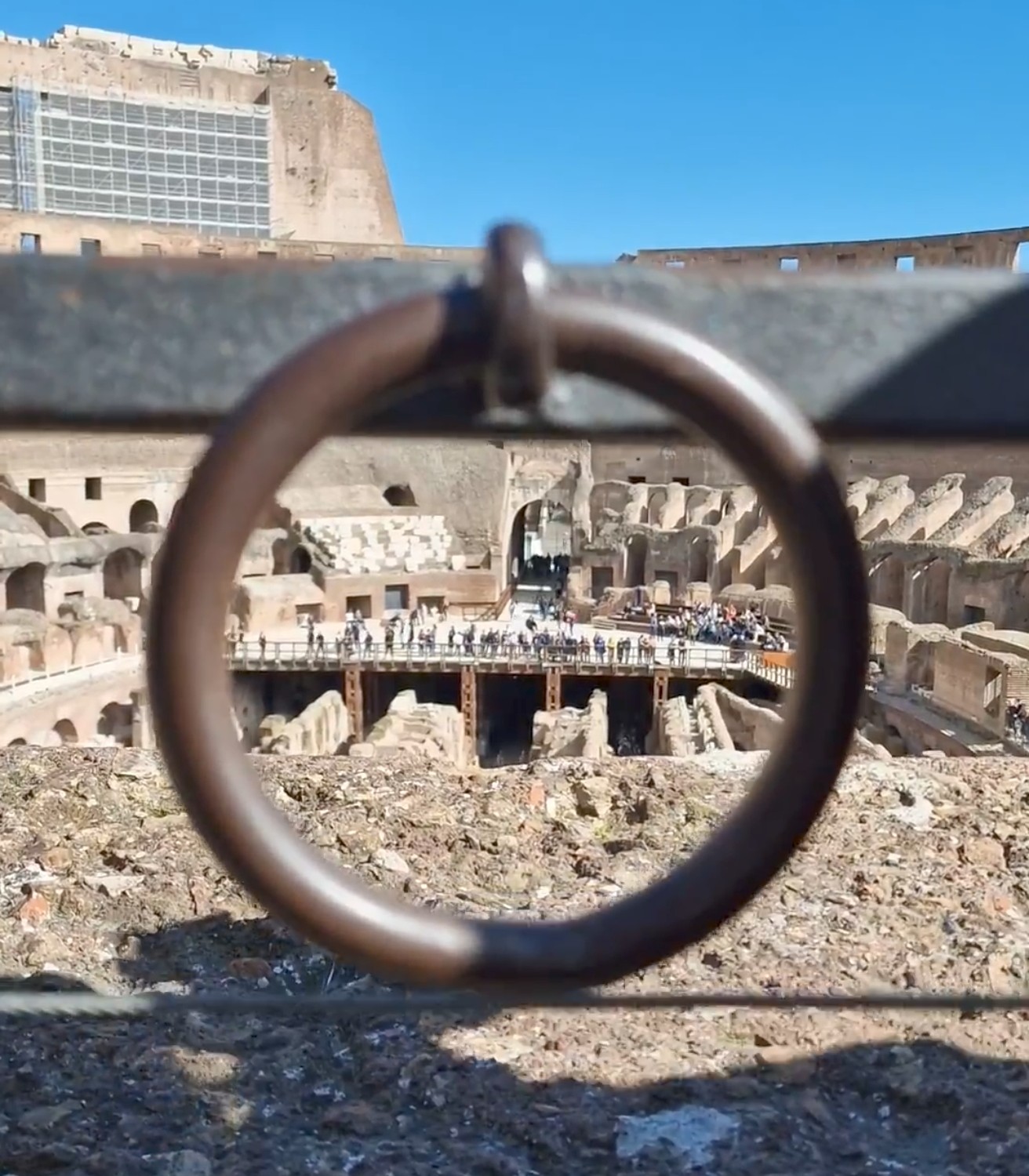
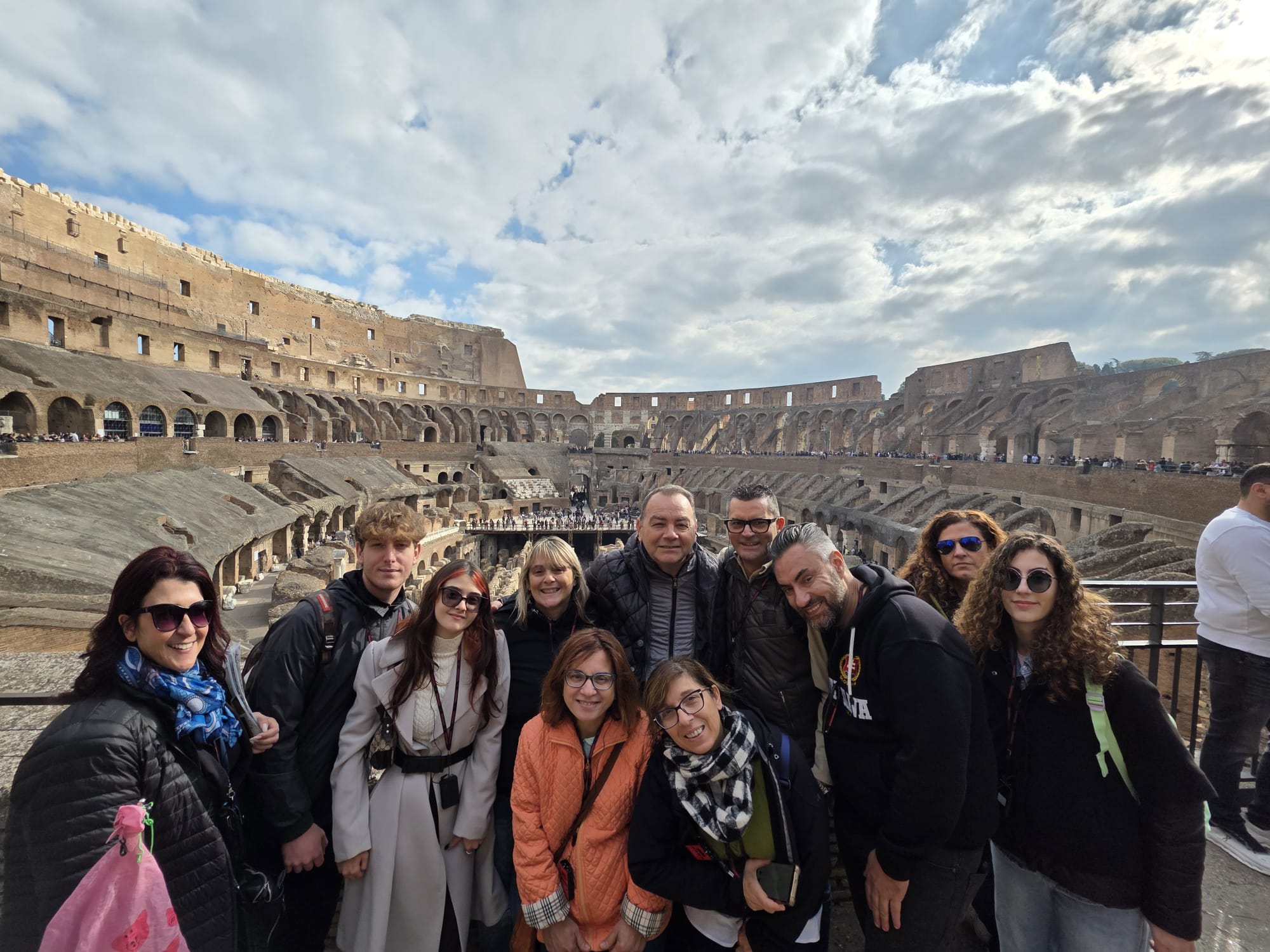
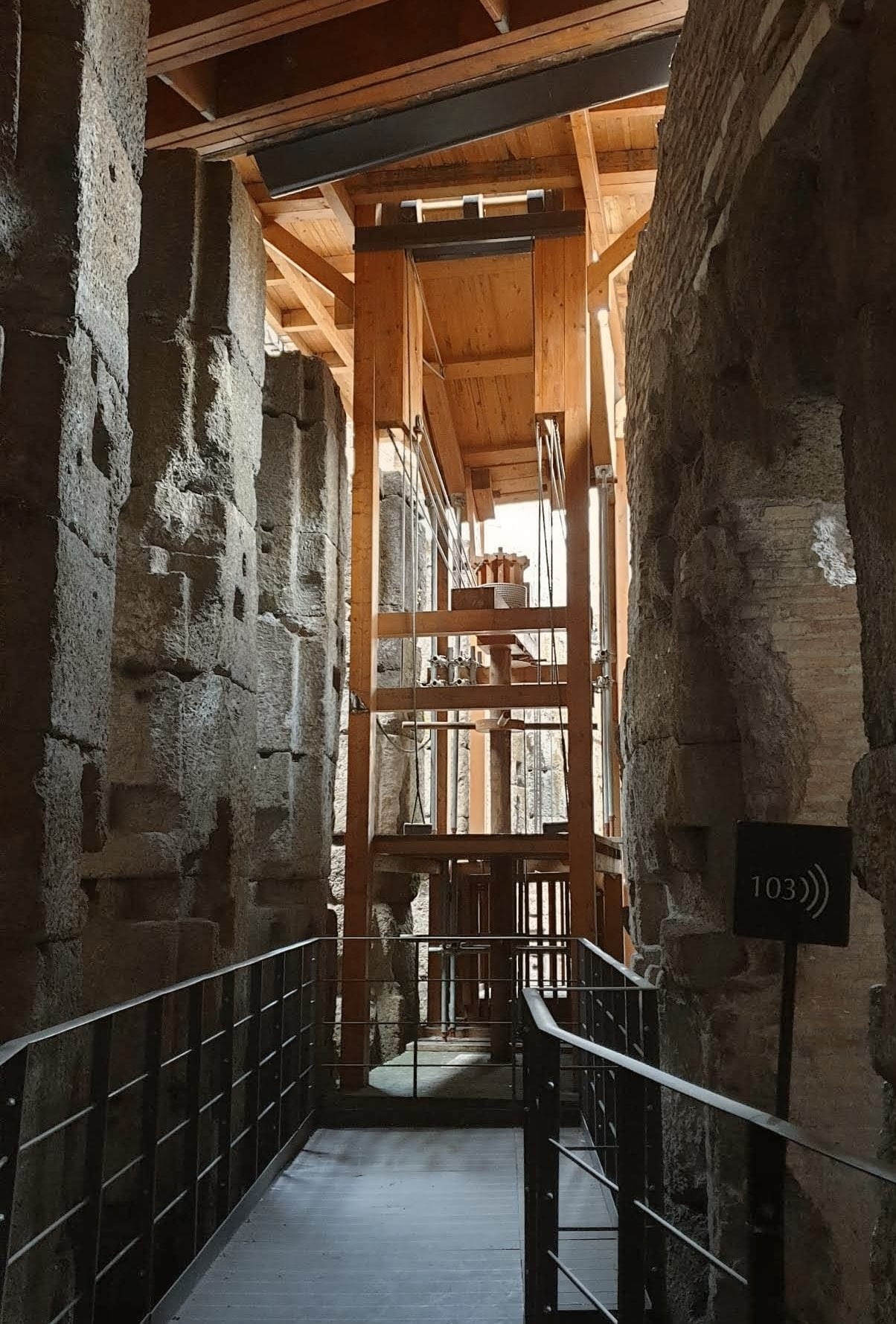
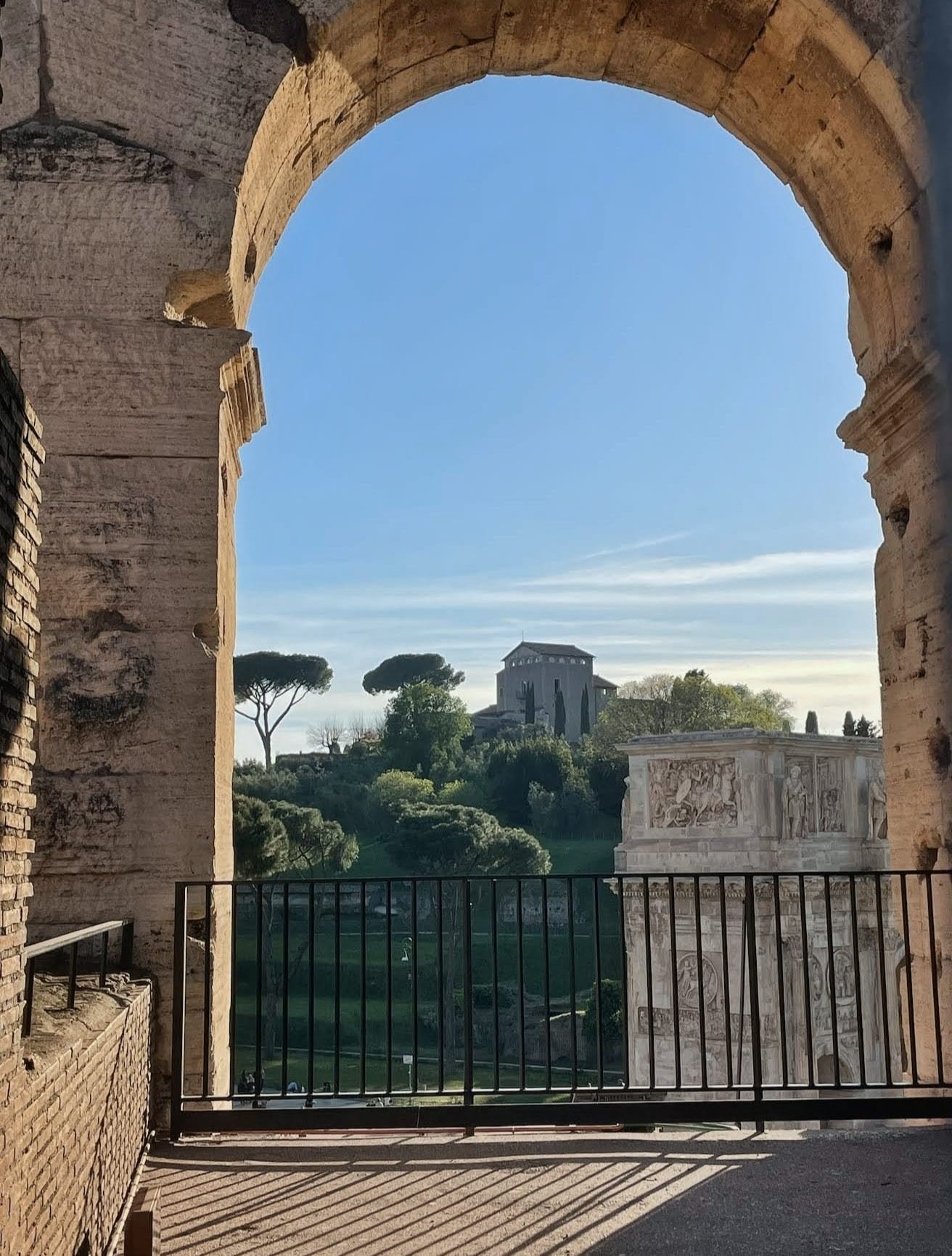
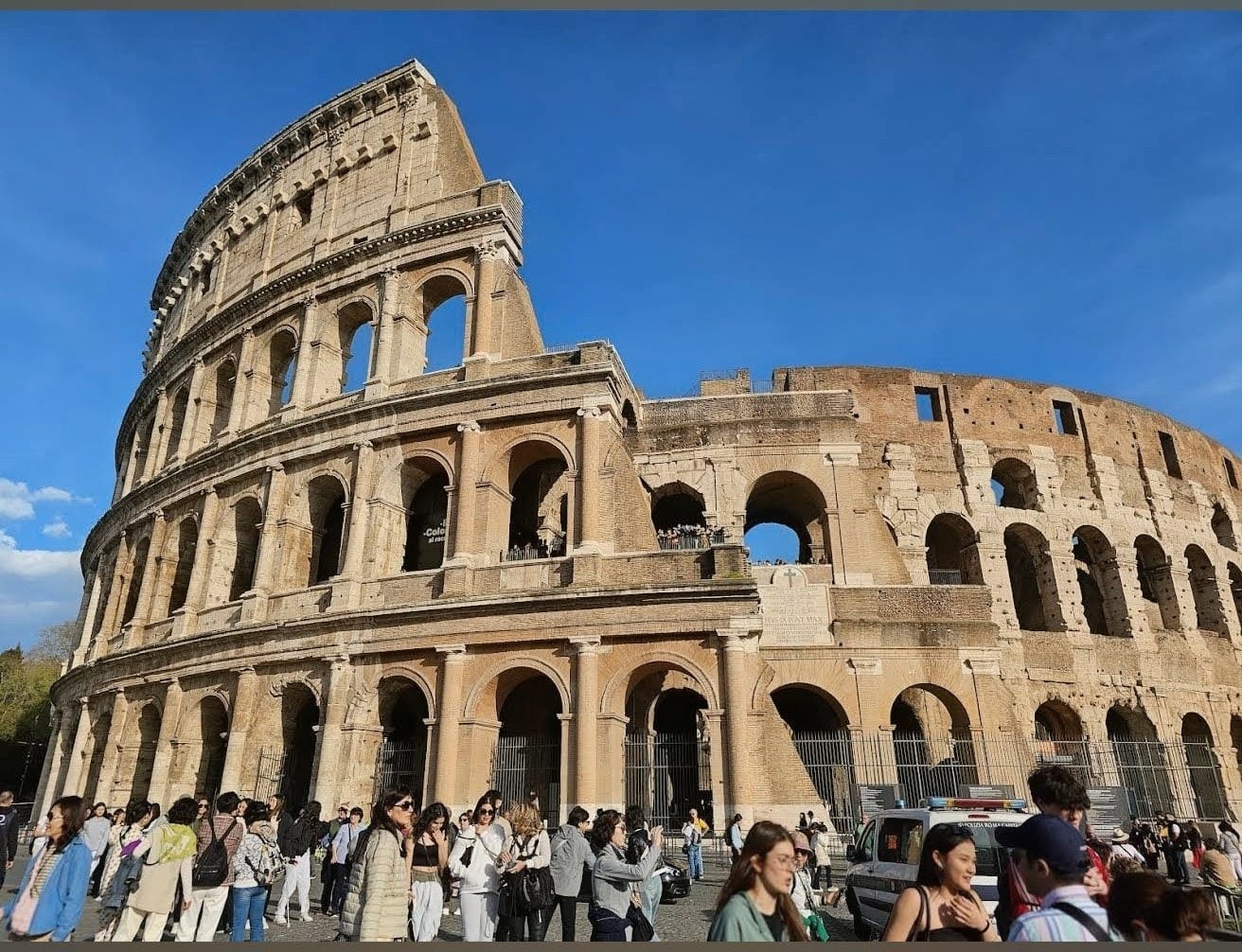
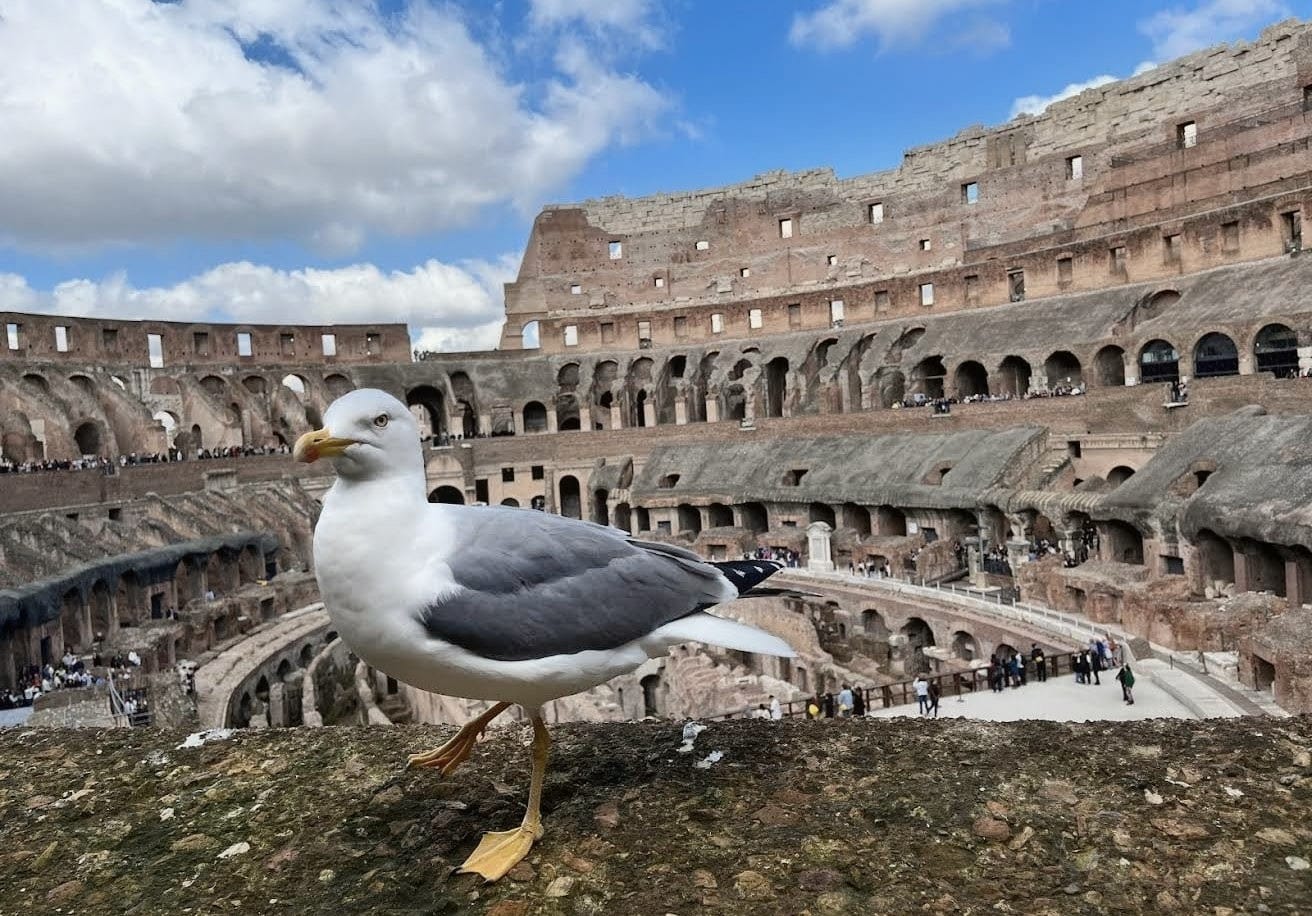
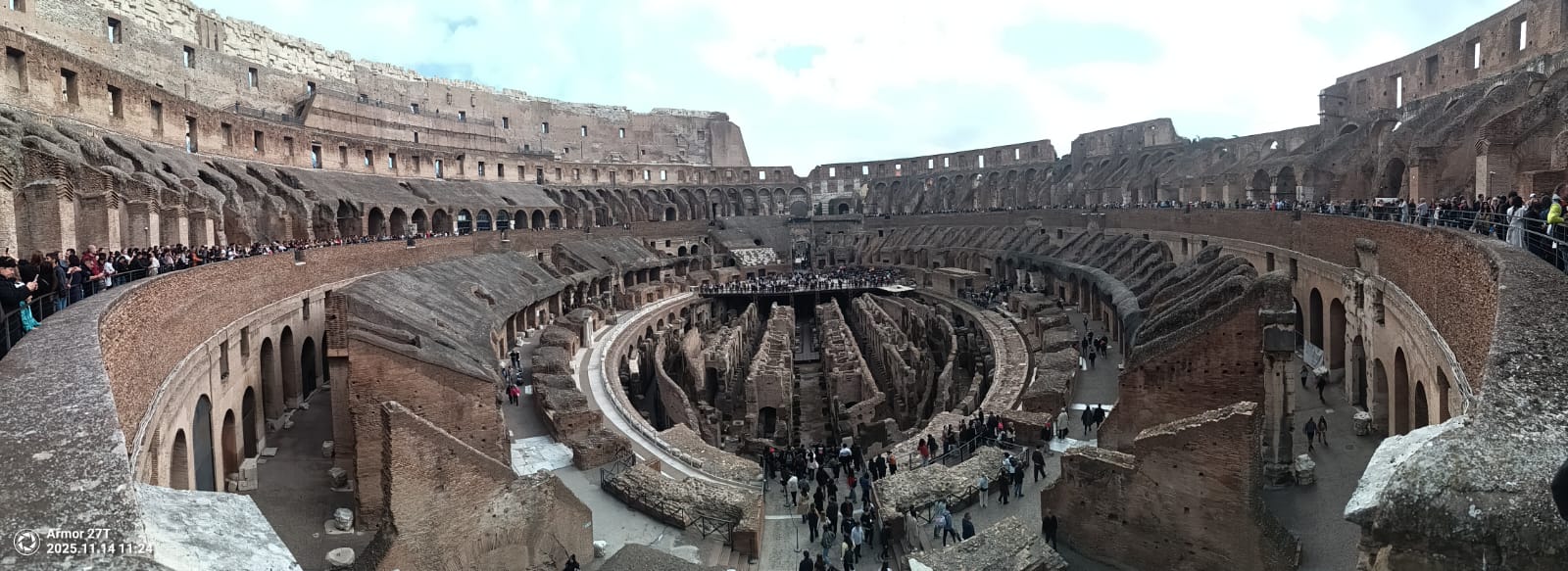
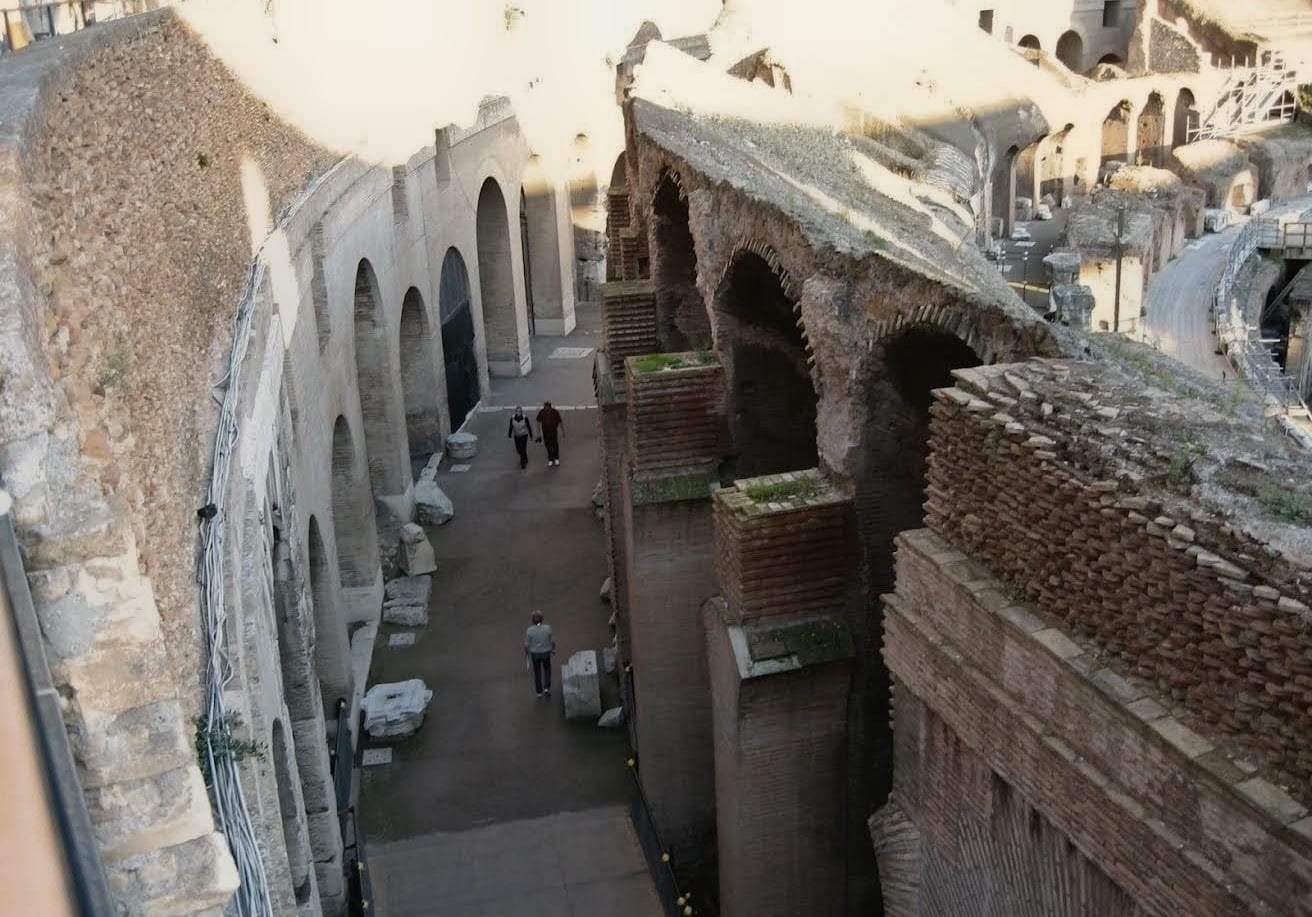
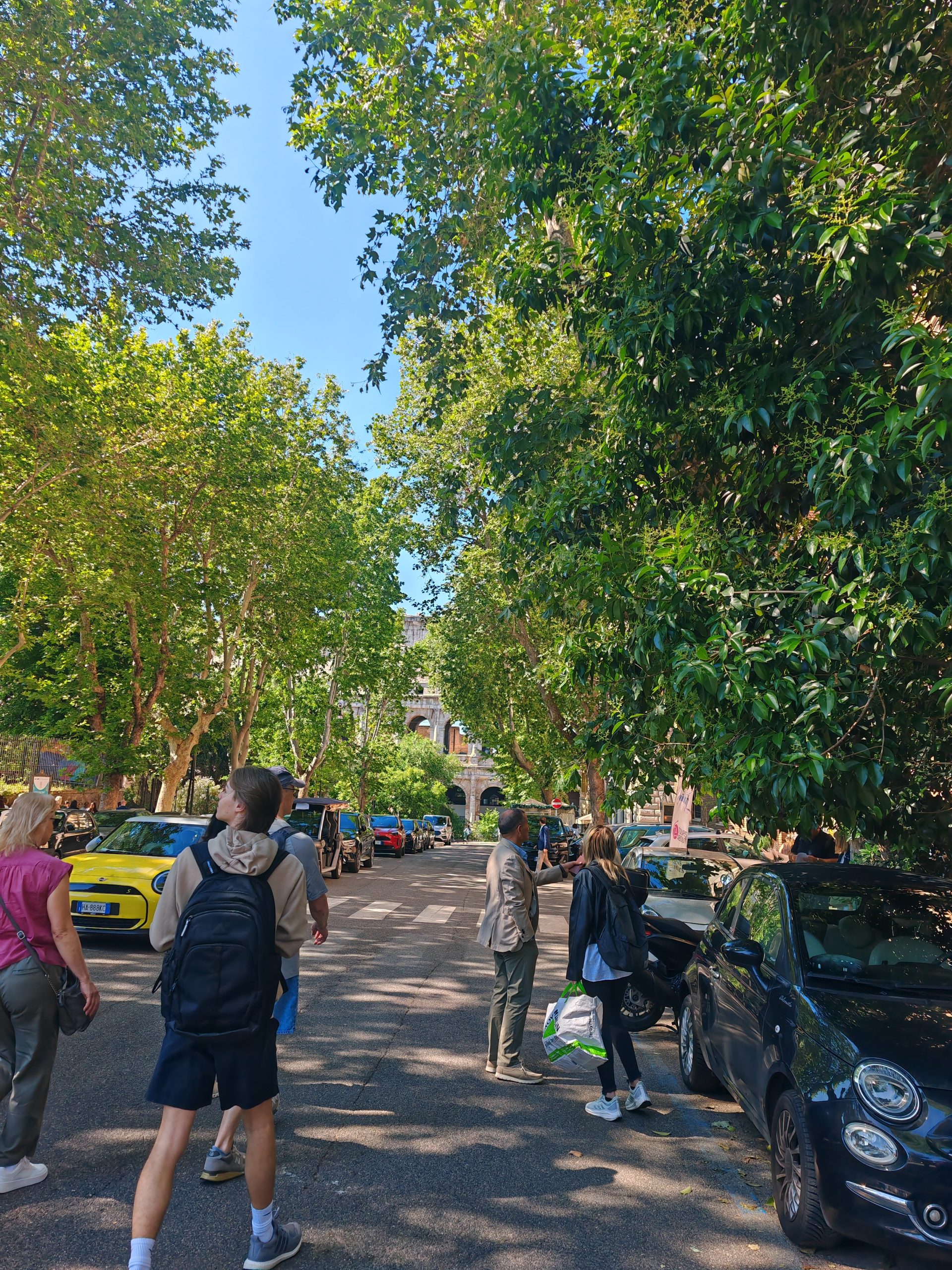
At the Colosseum we read the Flavian Amphitheatre as a masterpiece of organisation and social control. Its arches, vomitoria, underground structures and stage machinery reveal how spectacle functioned as a pedagogy of power and a tool for building public consent.
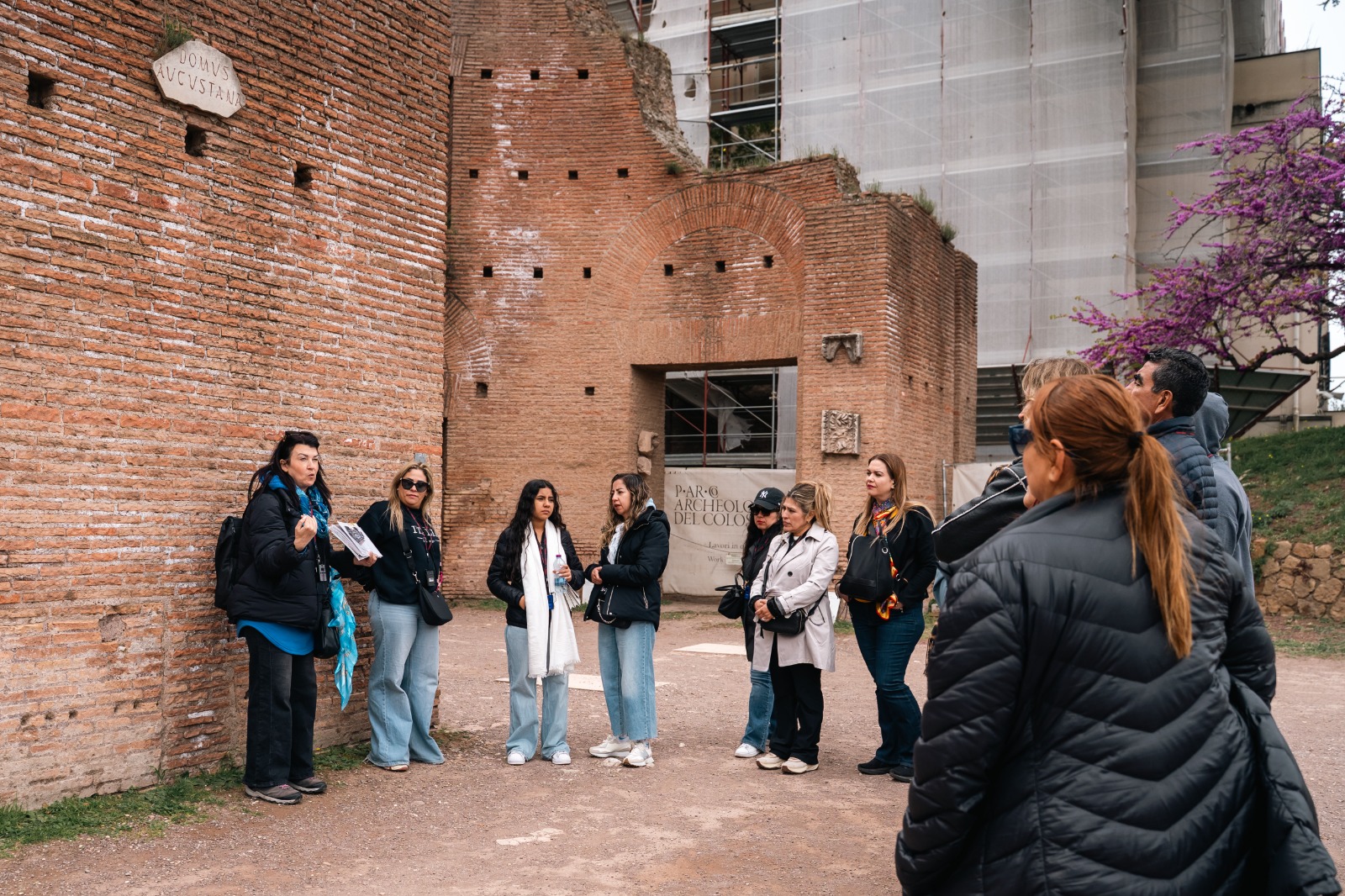
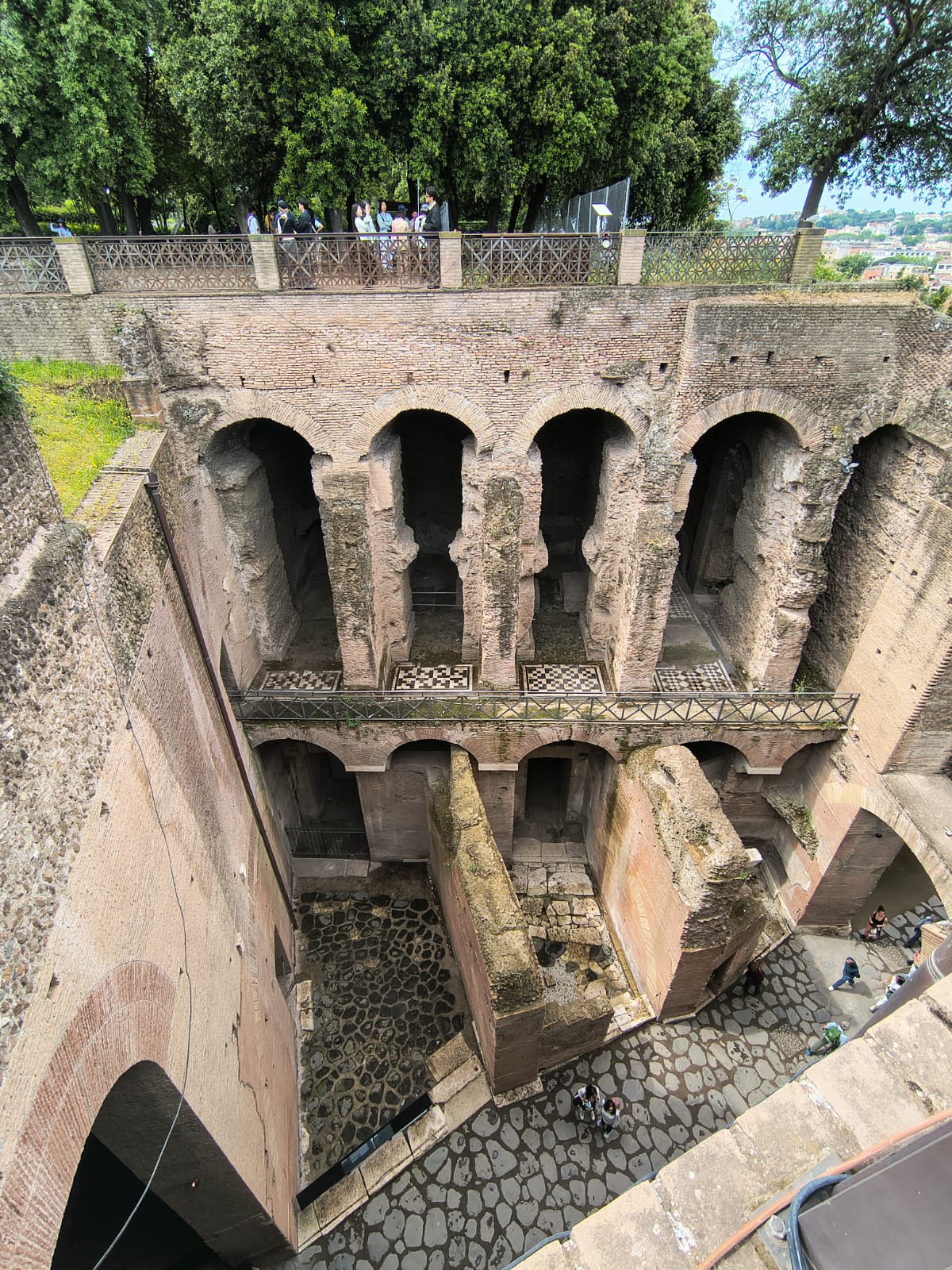
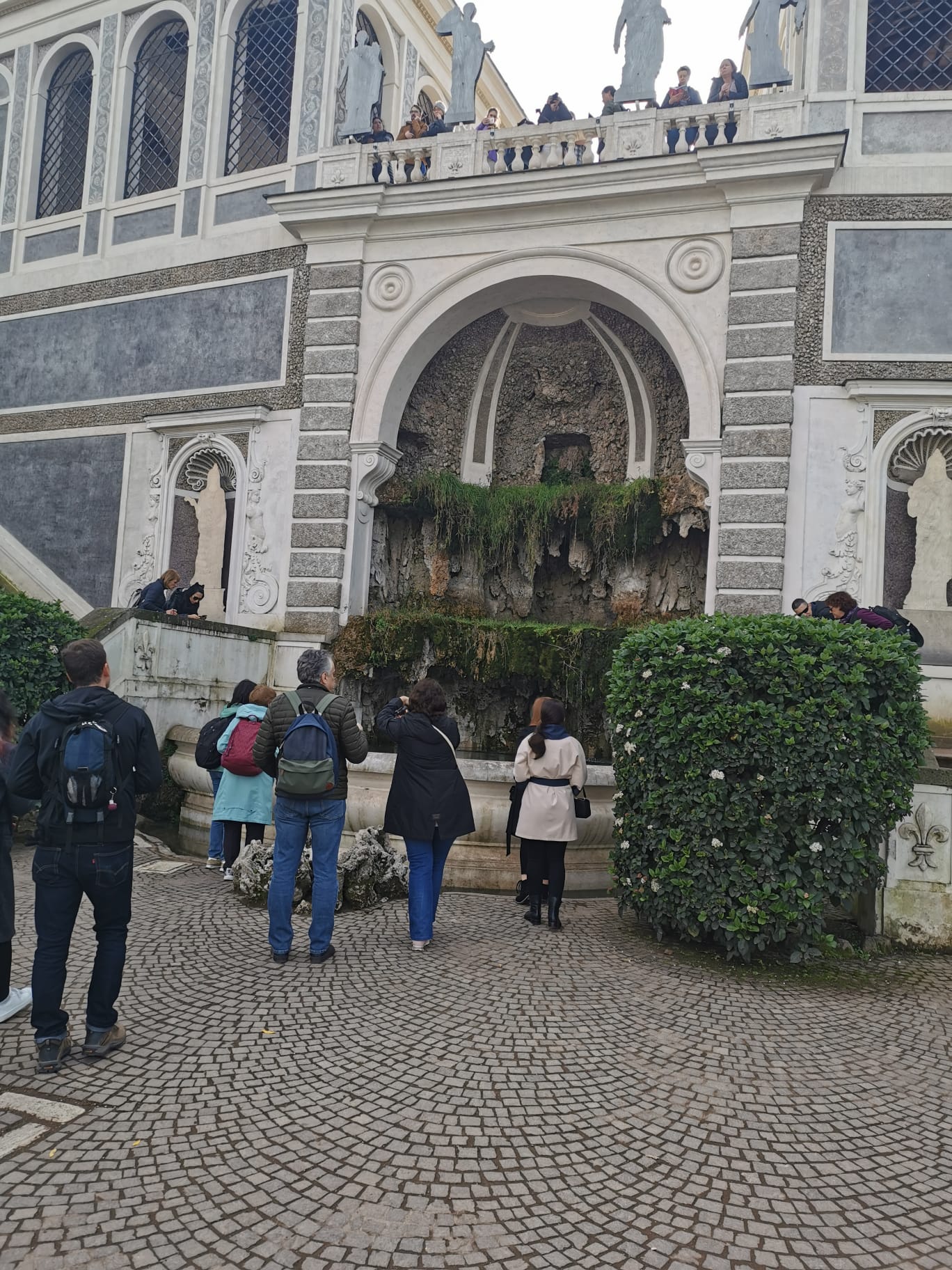
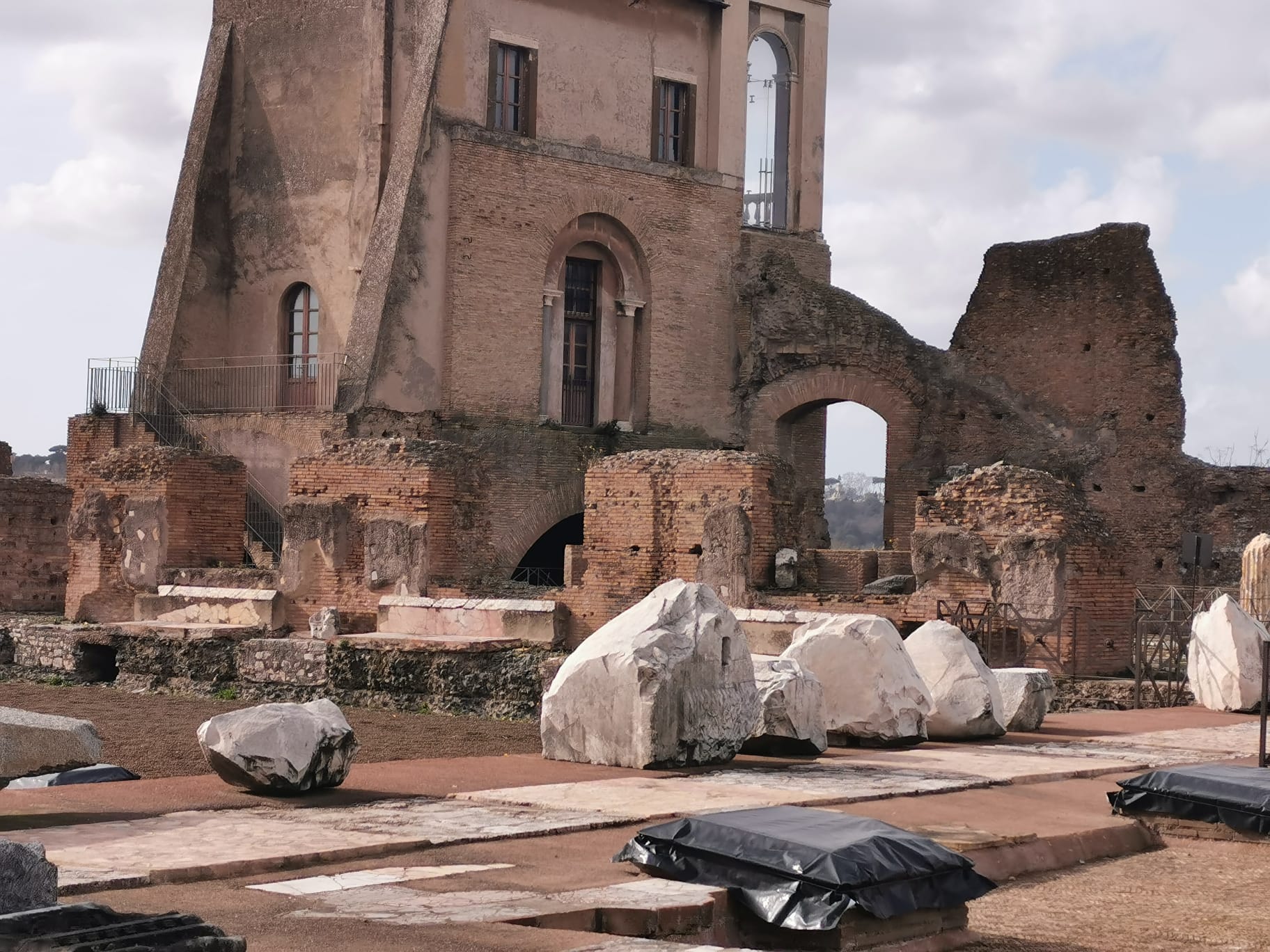
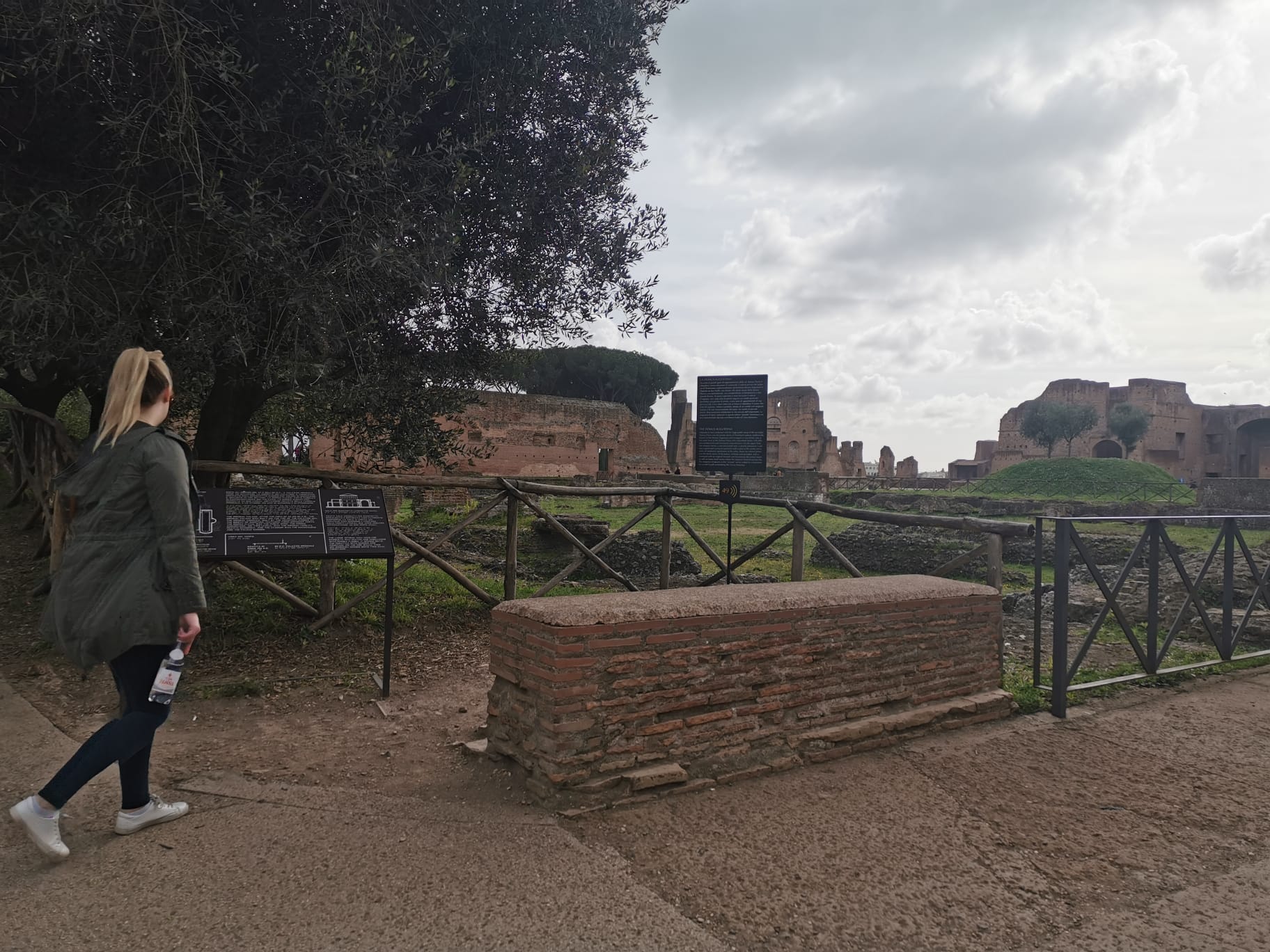
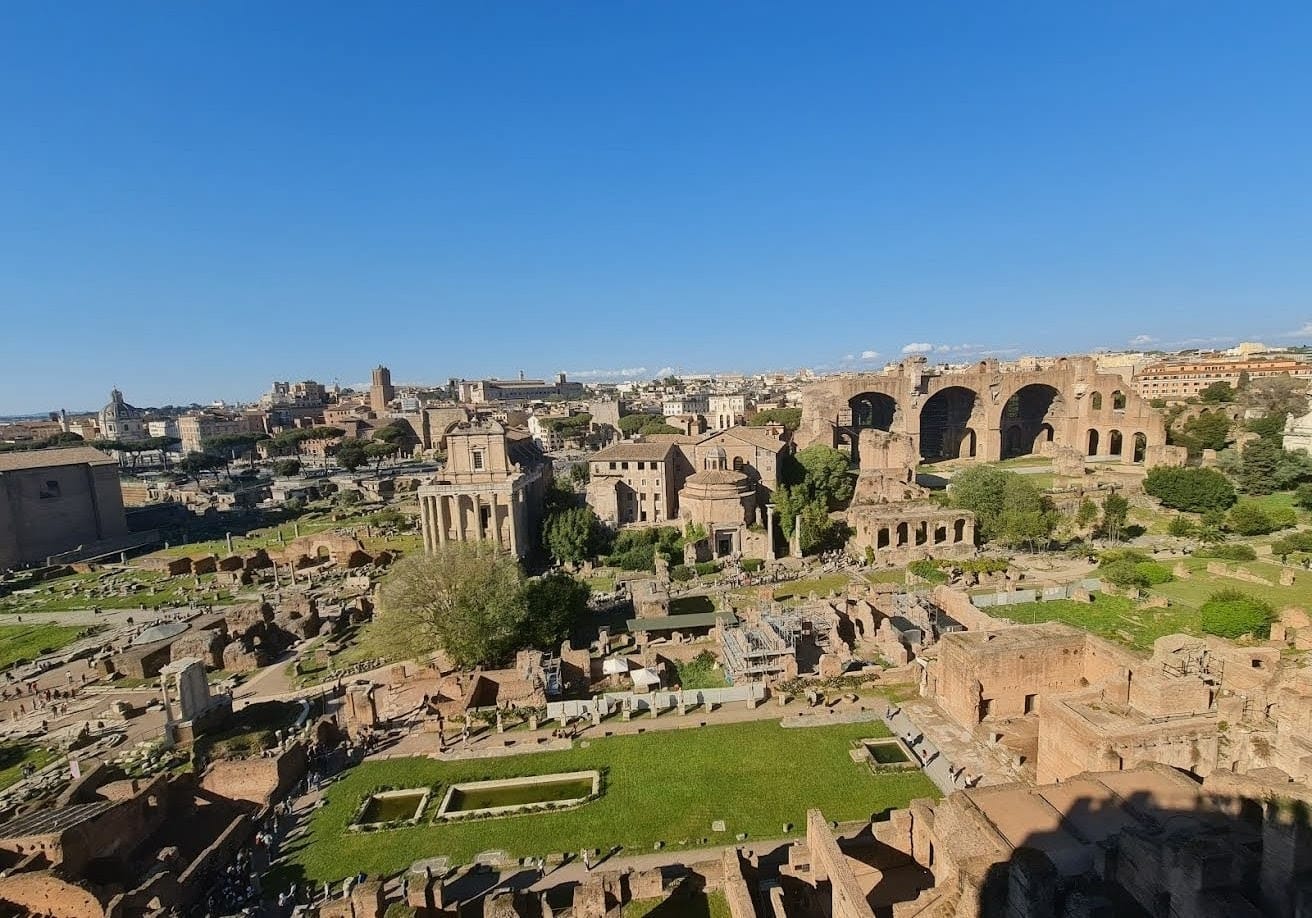
On the Palatine Hill, myth merges with propaganda. It is the site of Rome’s legendary foundation and of the great imperial residences: the House of Augustus, the Domus Flavia and the other palaces help us understand how architecture expressed distance, prestige and control.
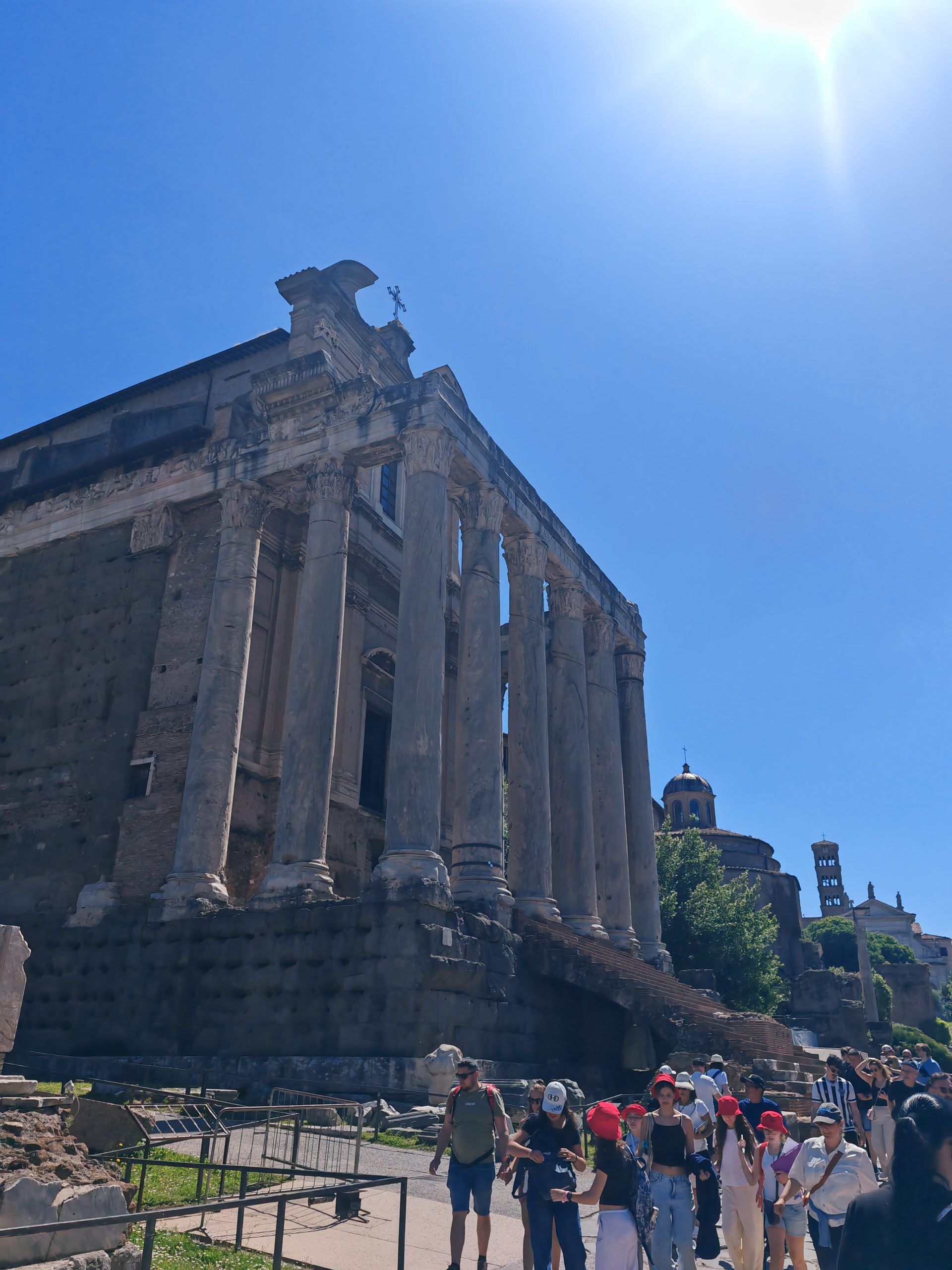
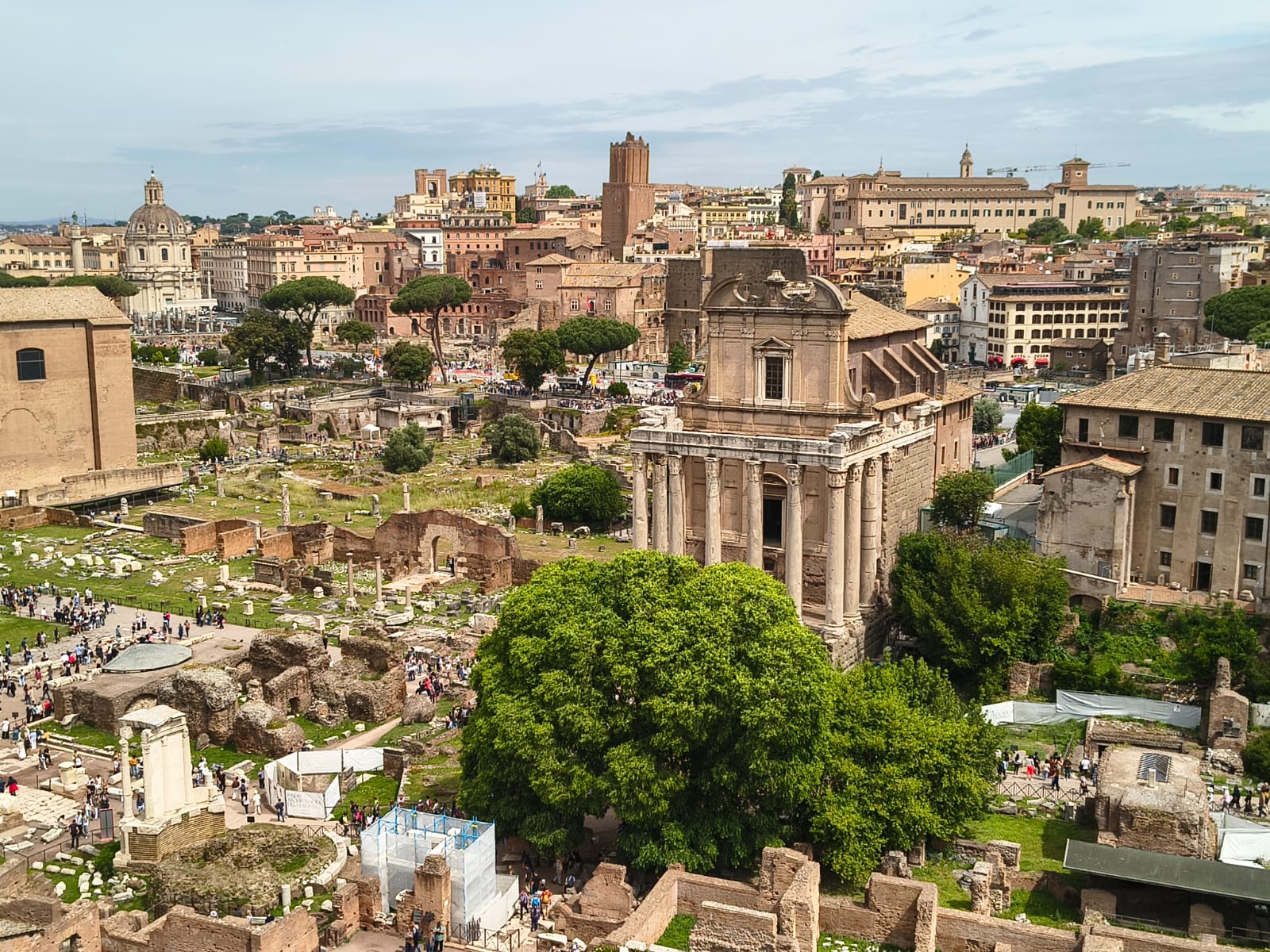
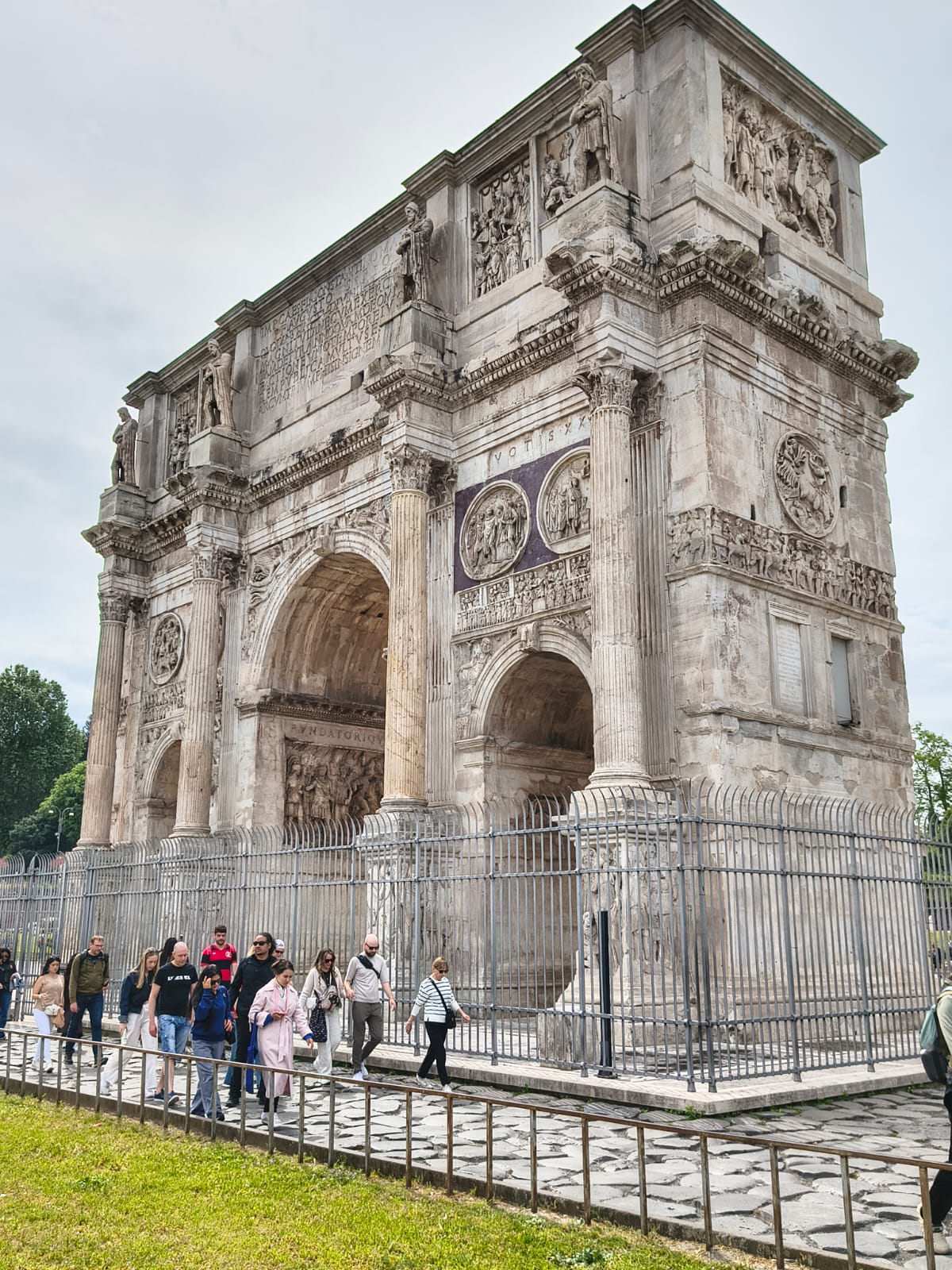
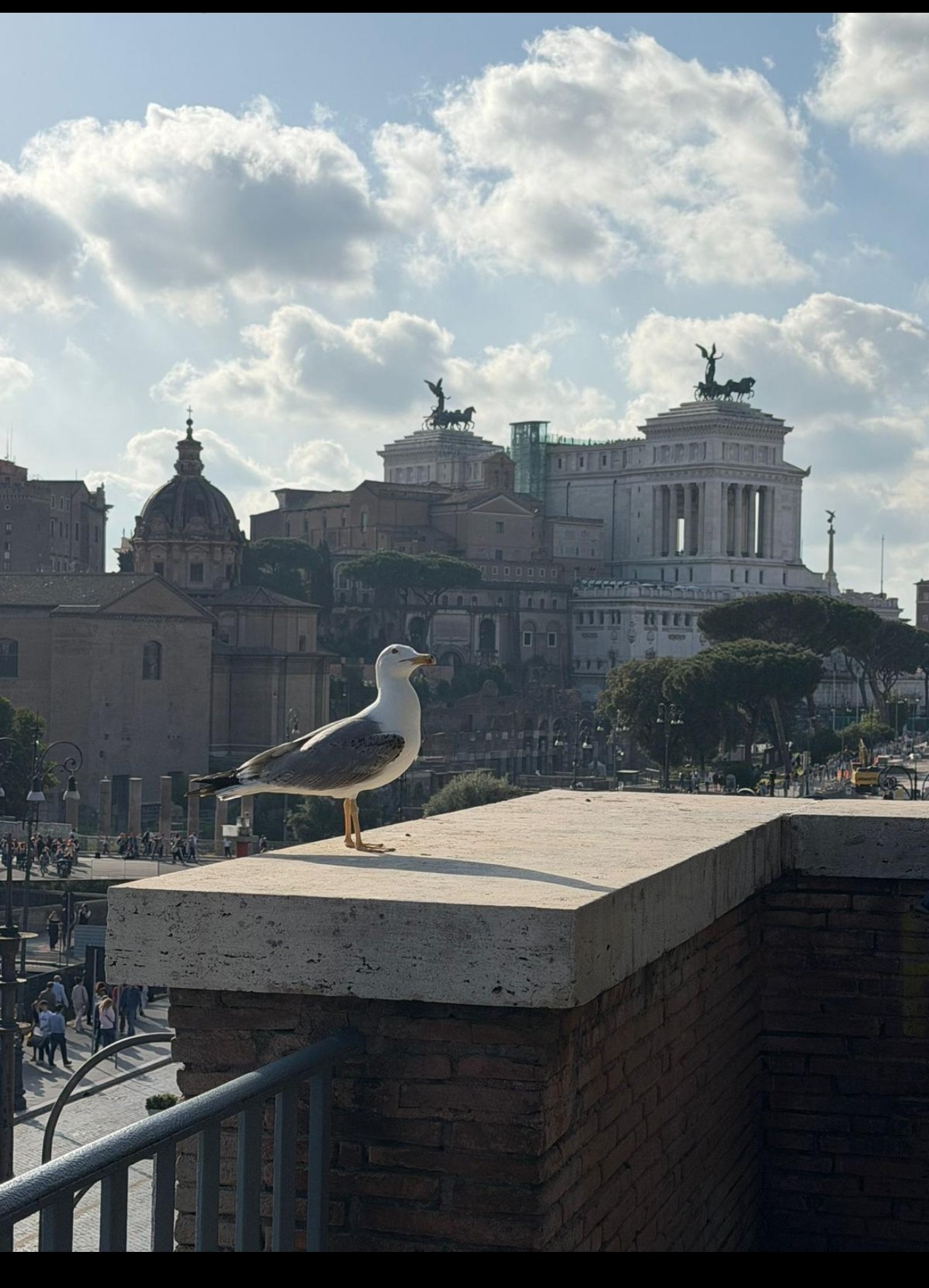
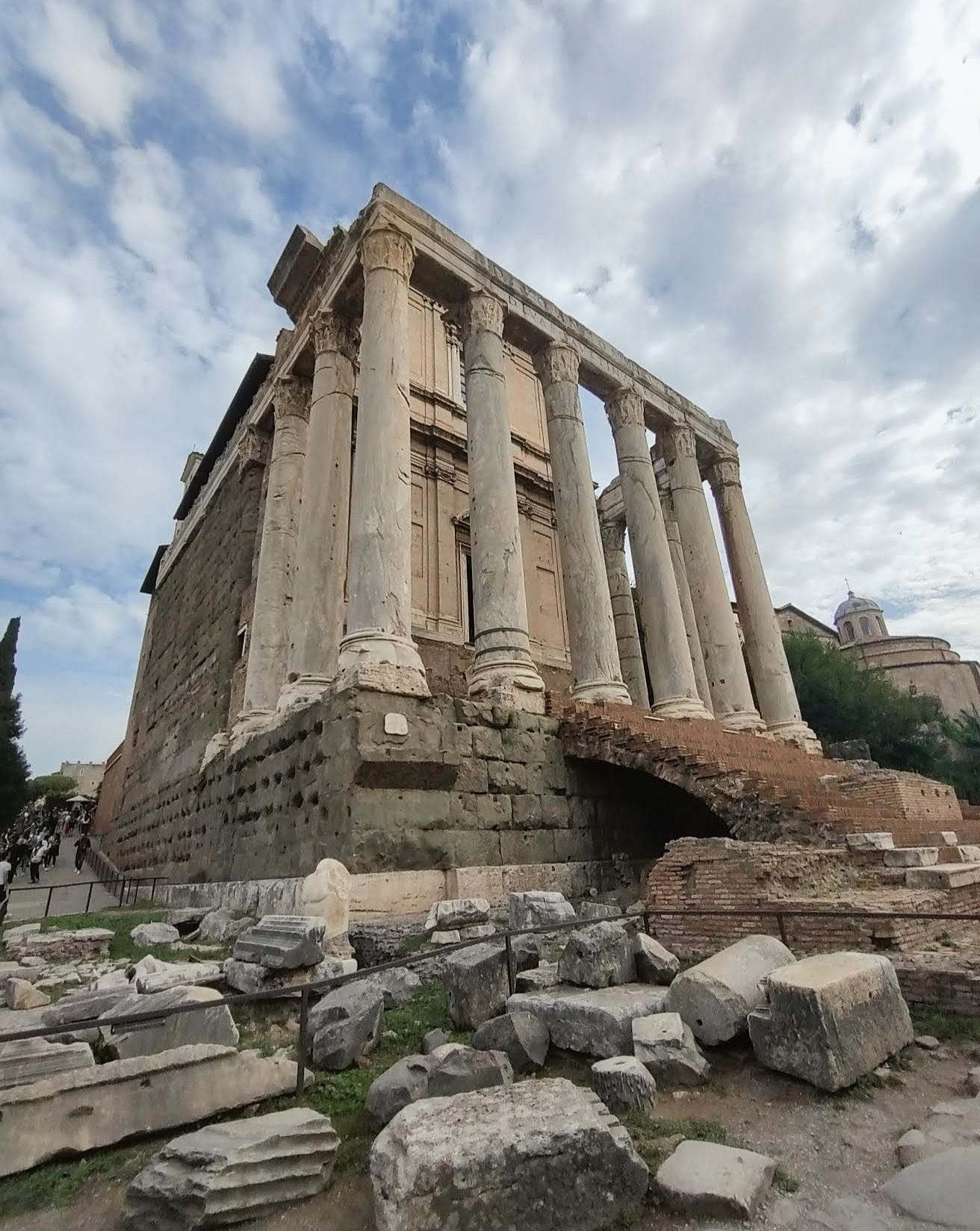
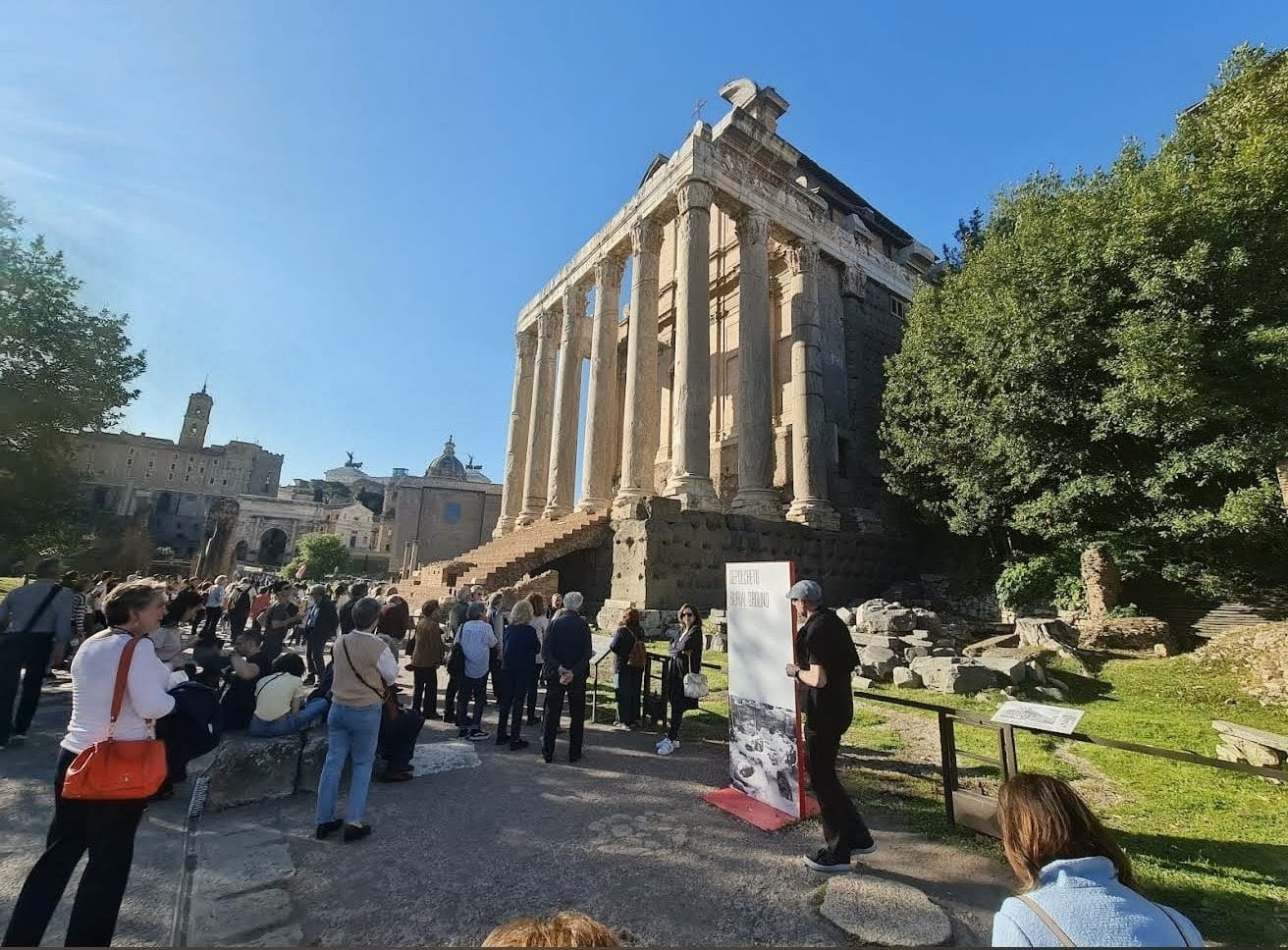
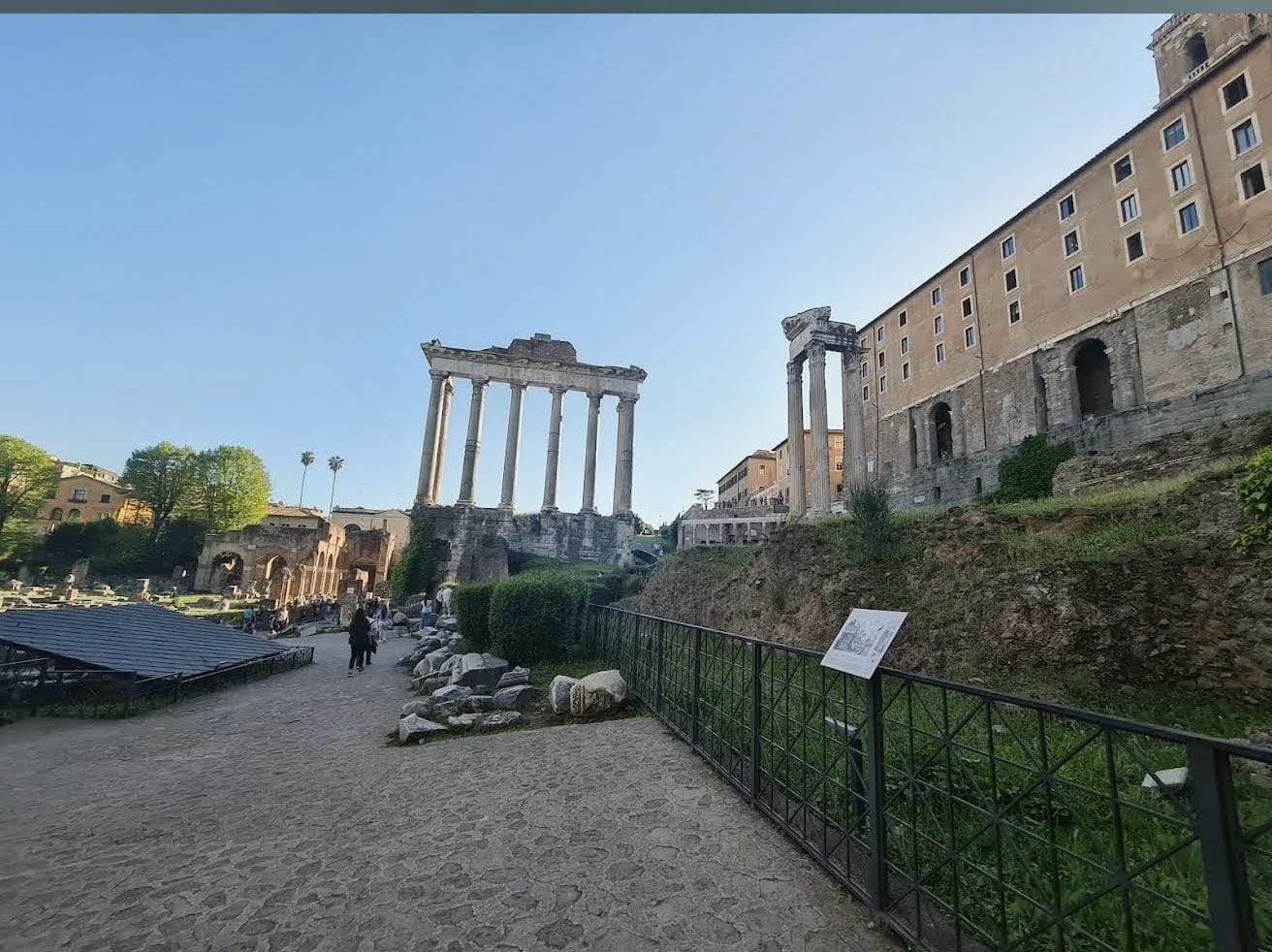
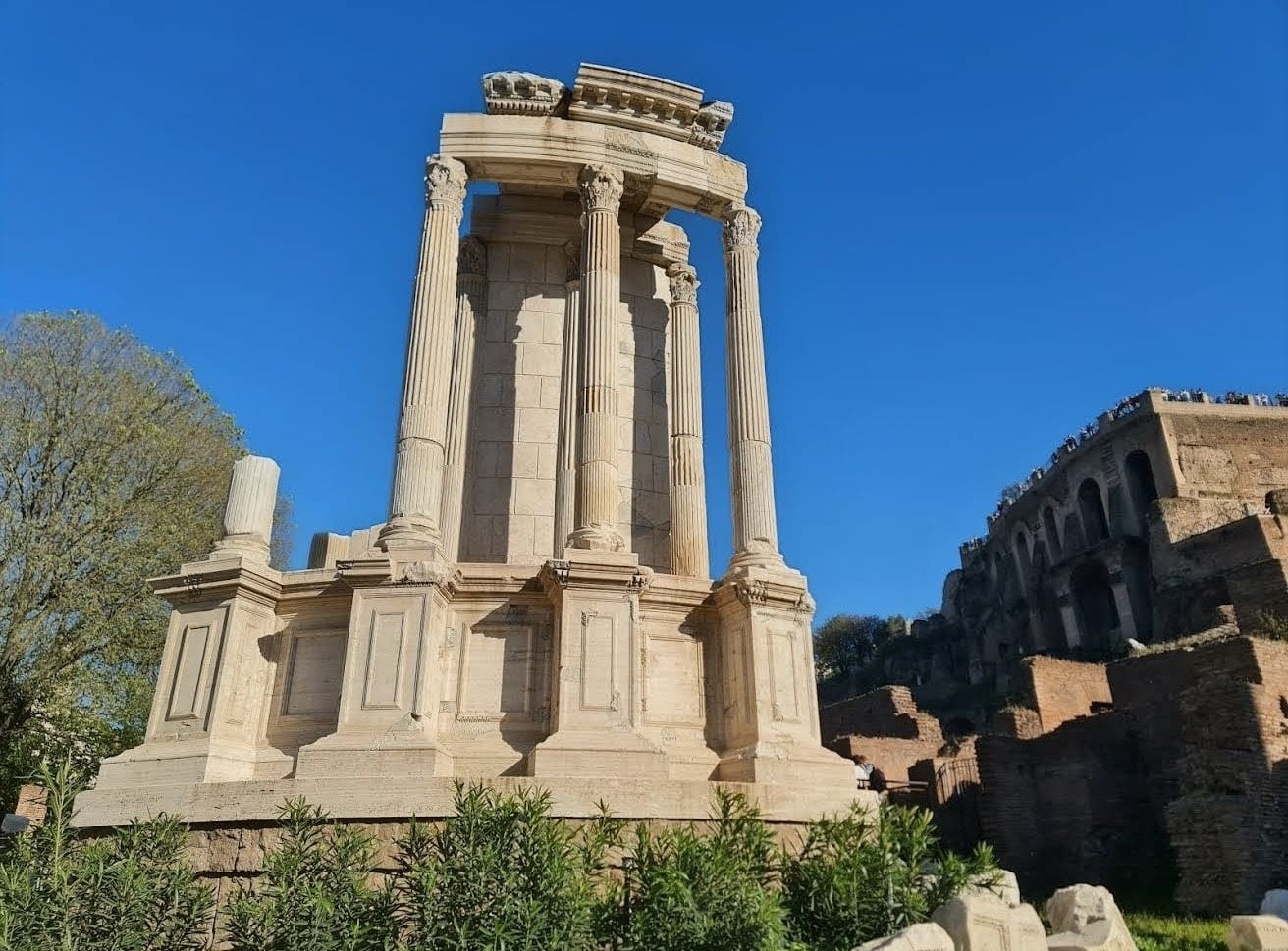
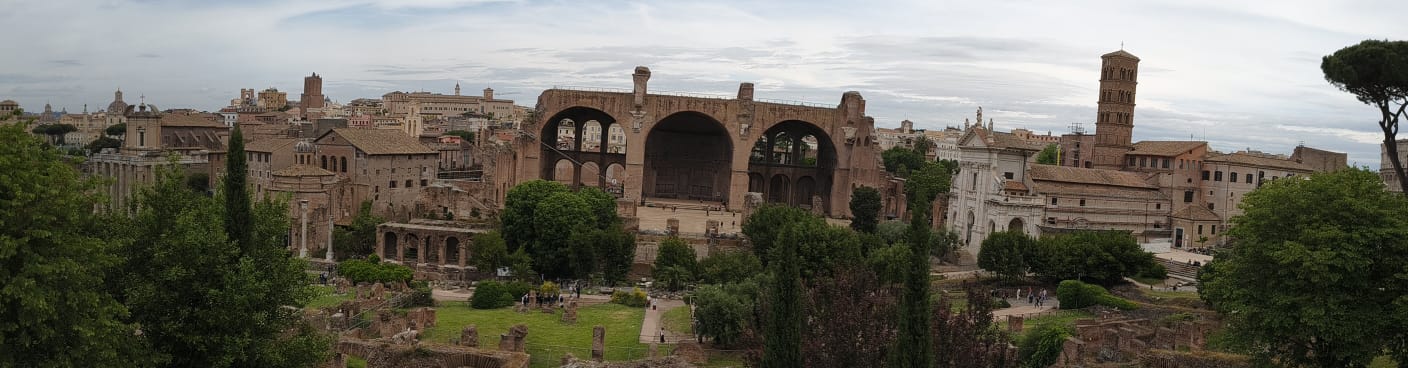
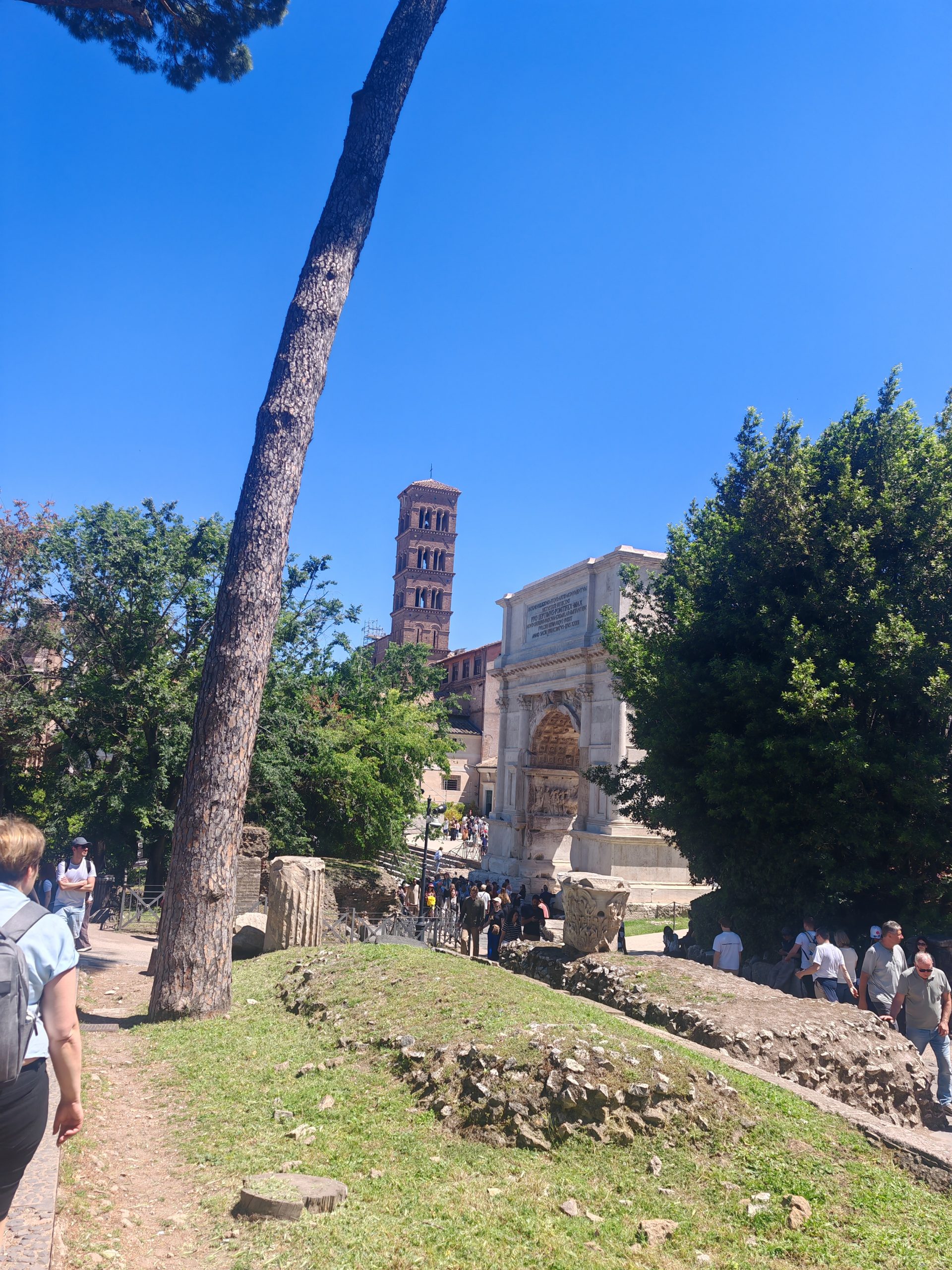
Descending into the Roman Forum, we enter the true nerve centre of the ancient city. Walking along the Via Sacra, we encounter the Curia, the Rostra, the Temple of the Vestals and the triumphal arches, reading the Forum as a historical laboratory where law, religion, economy and politics coexisted in the same urban space.
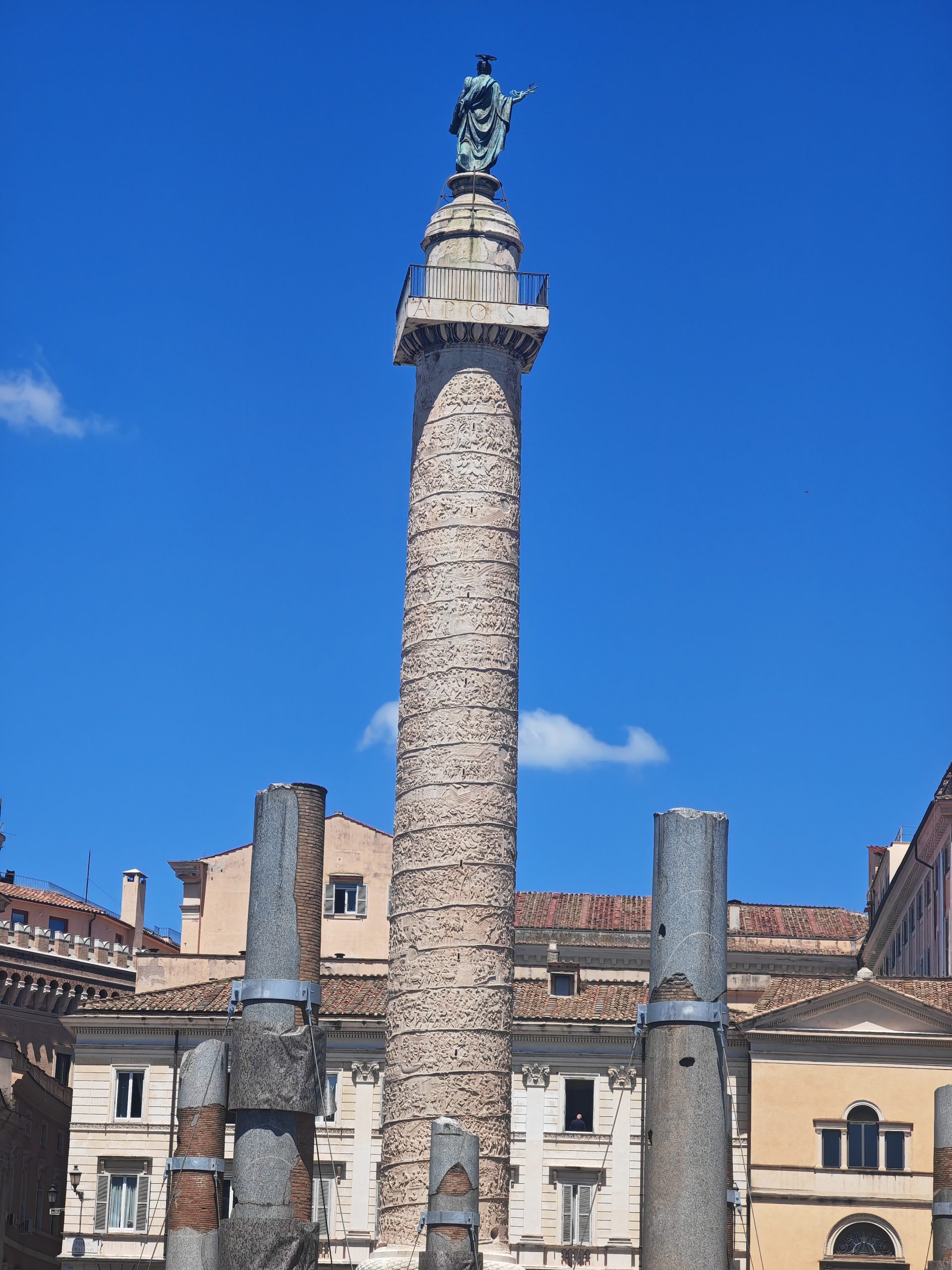
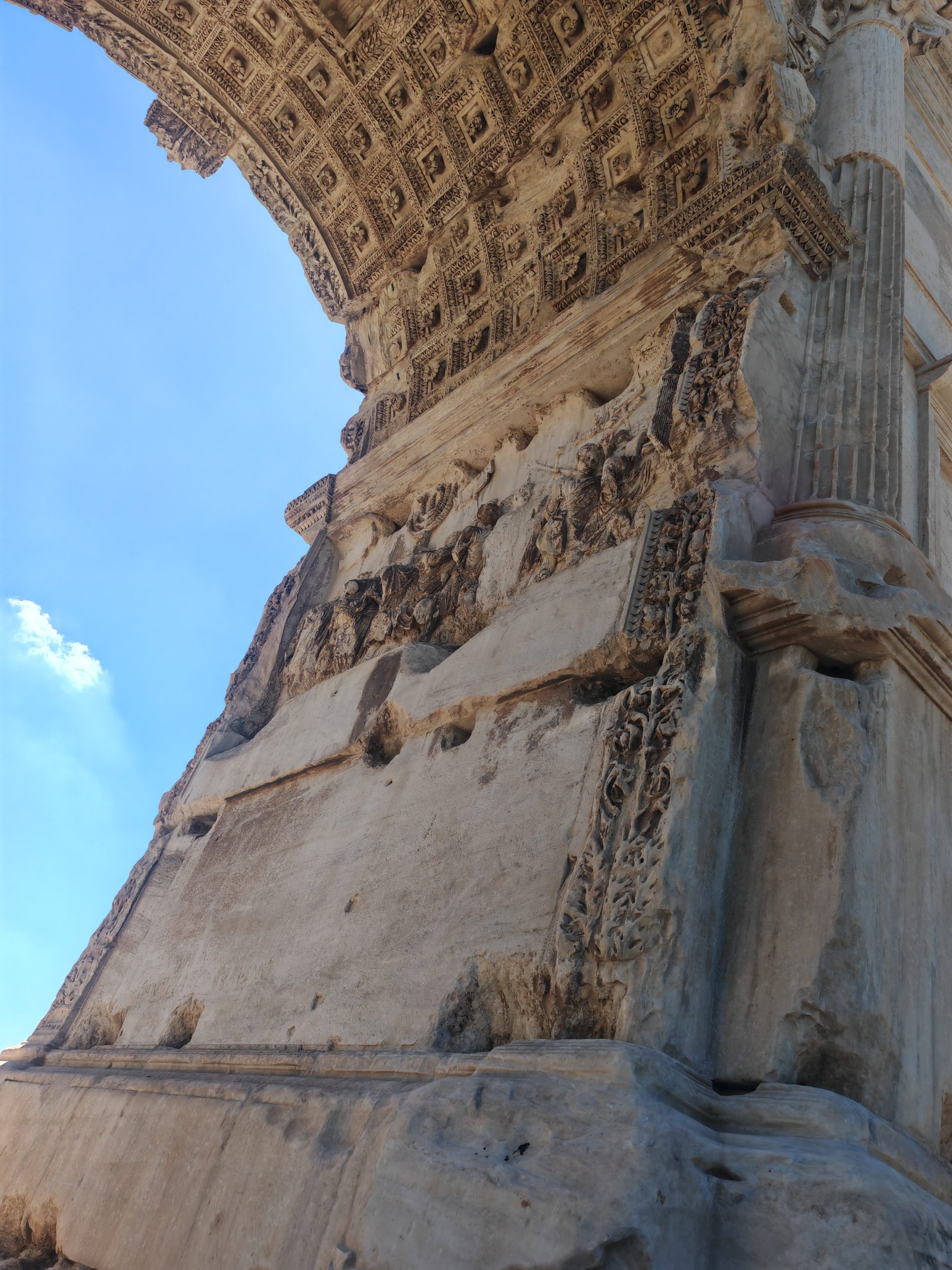
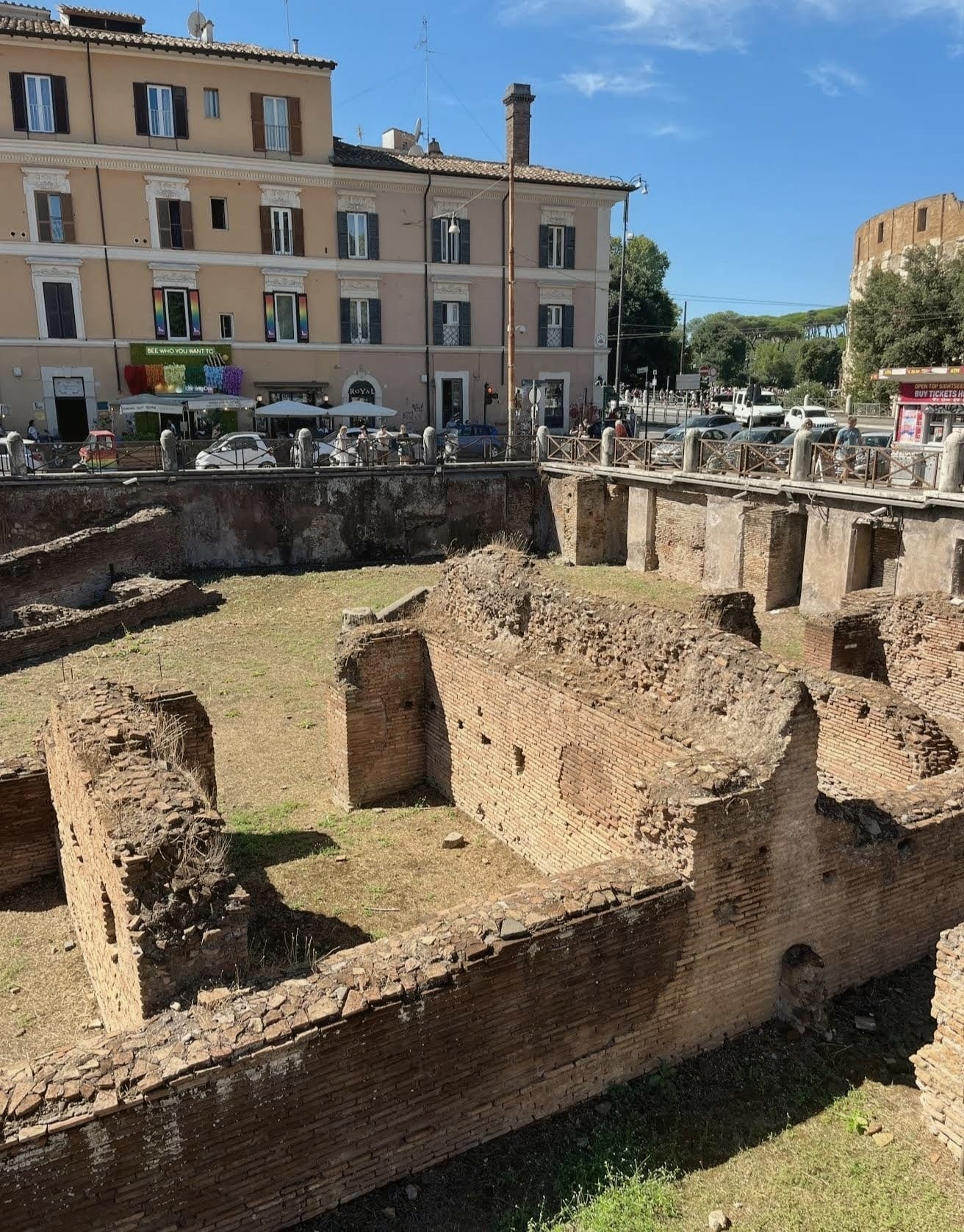
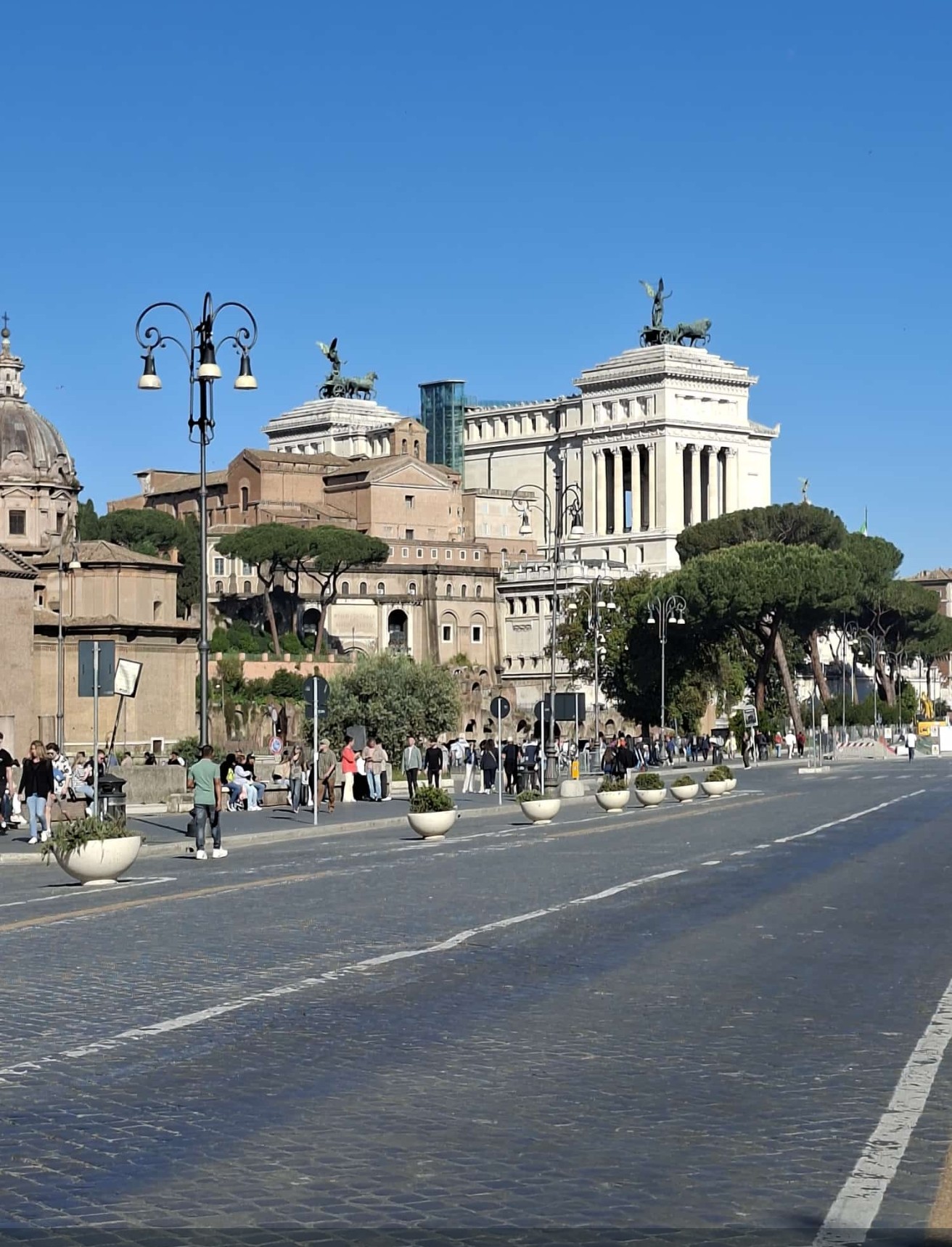
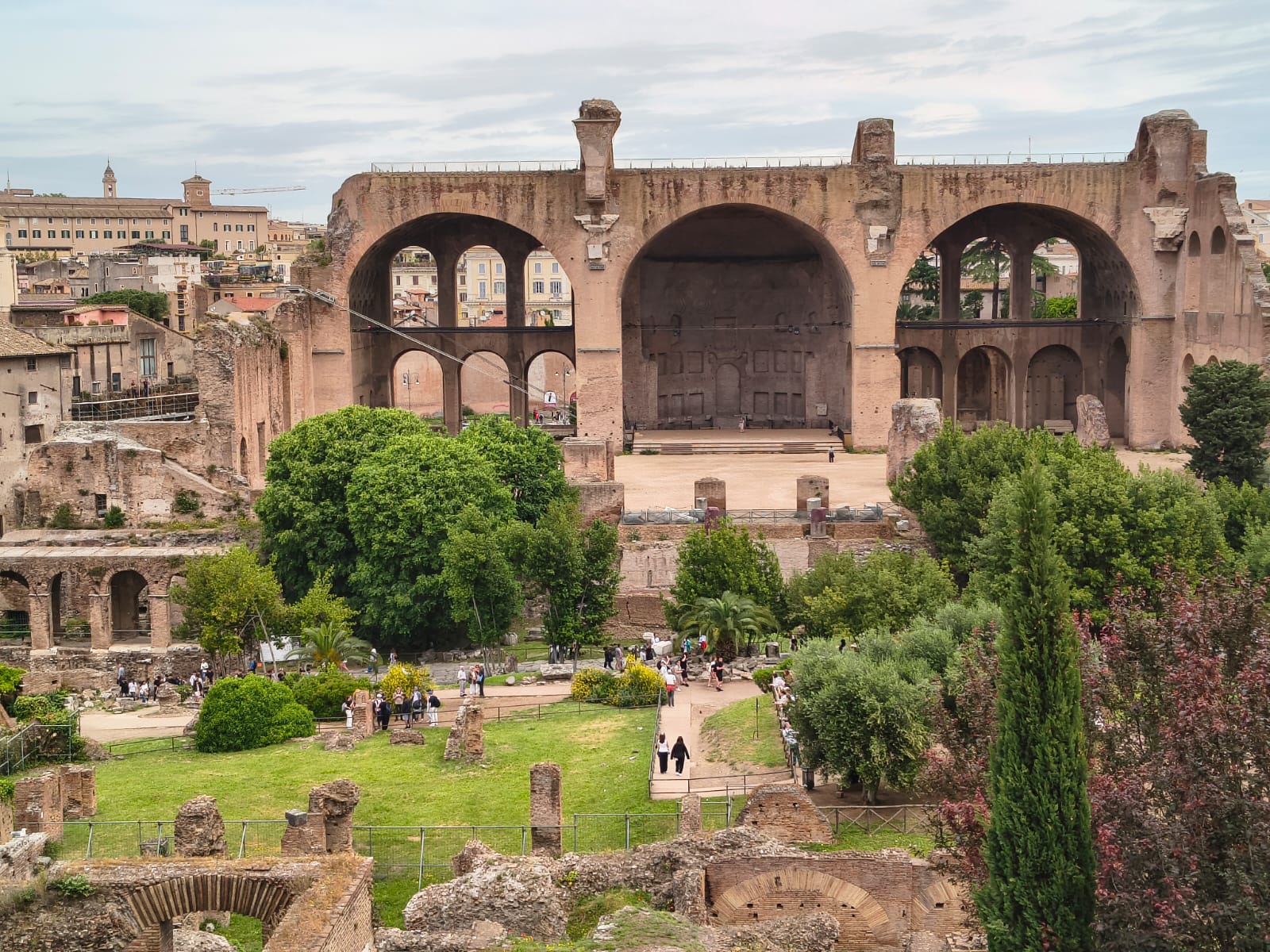
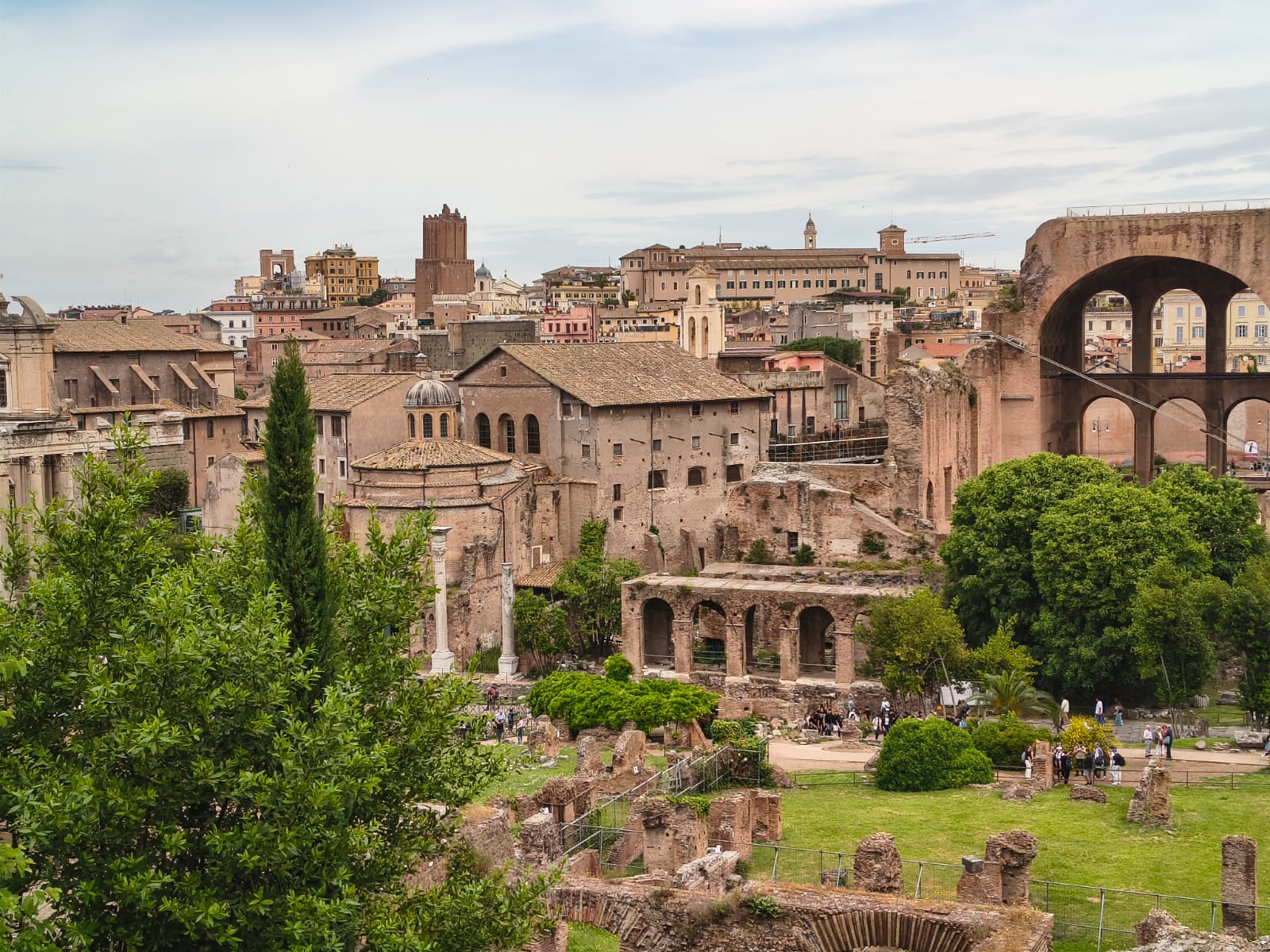
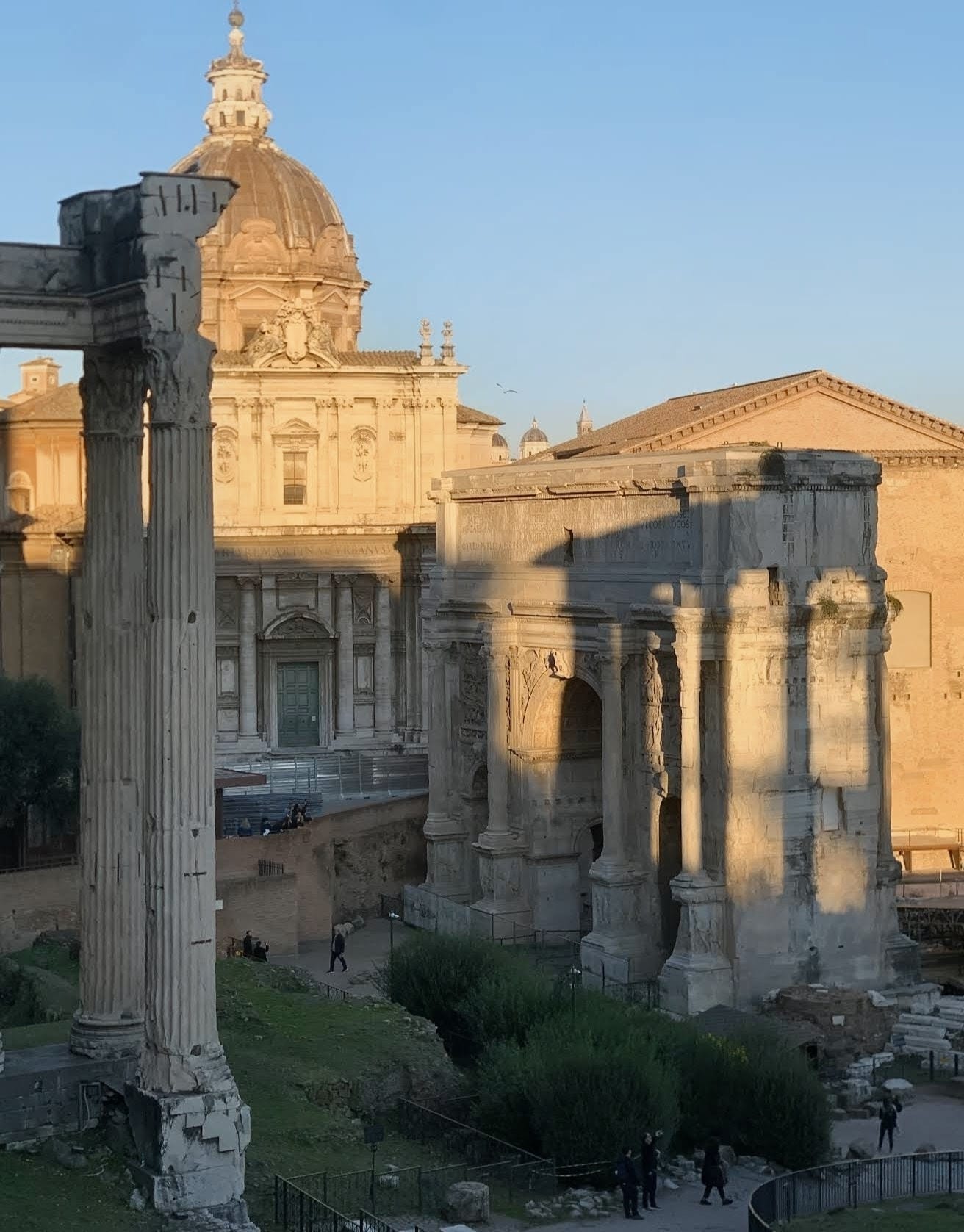
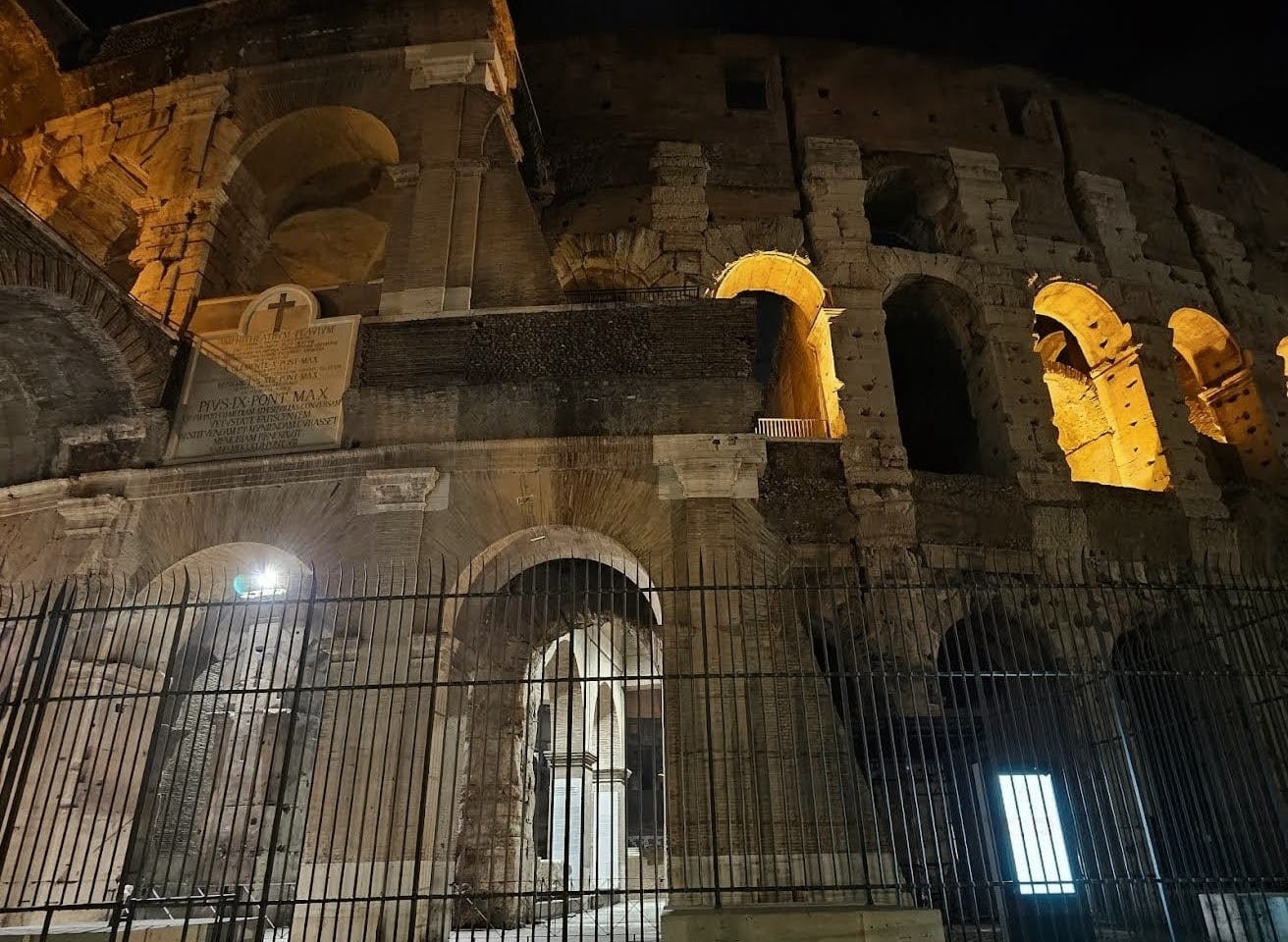
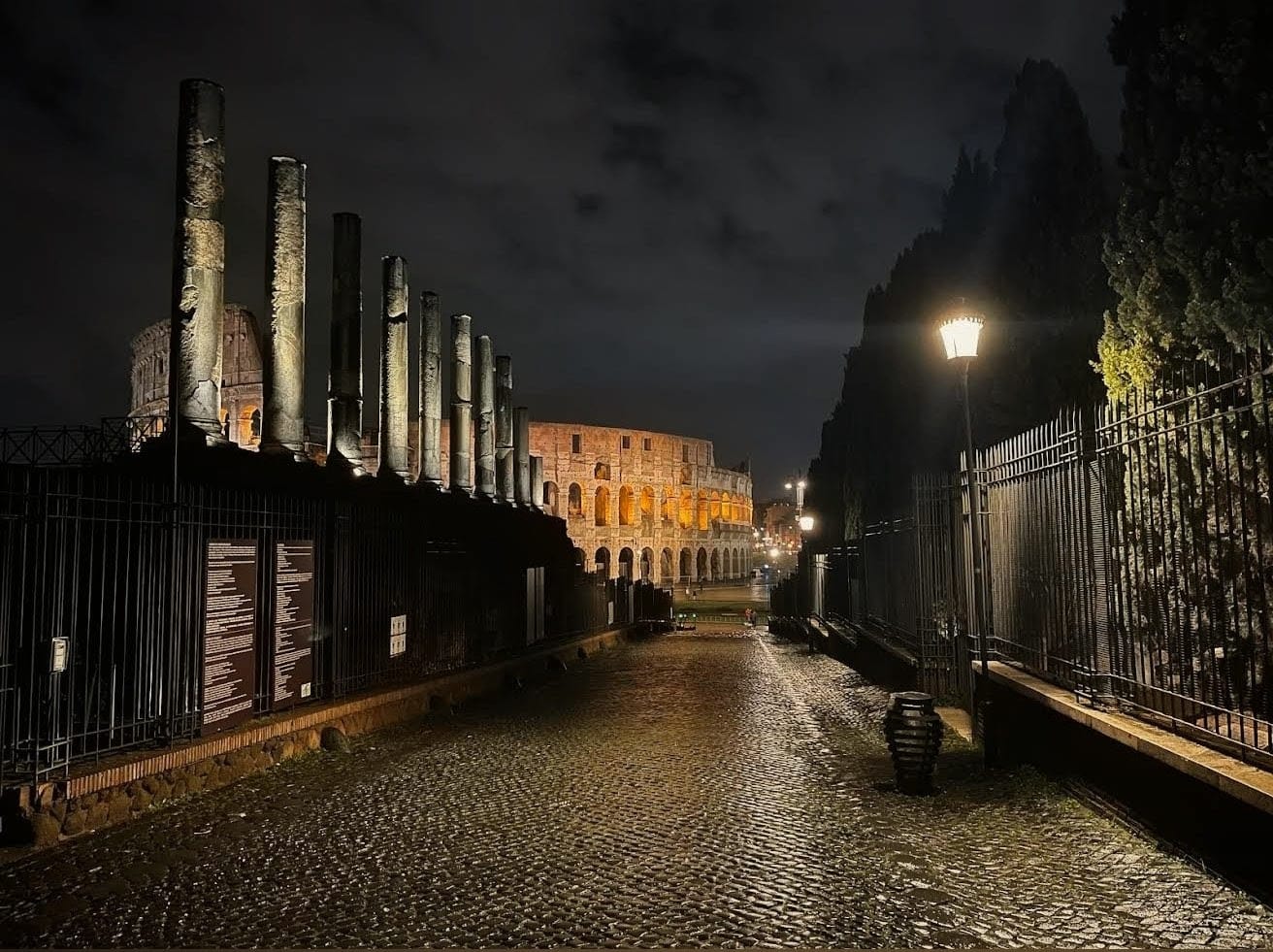
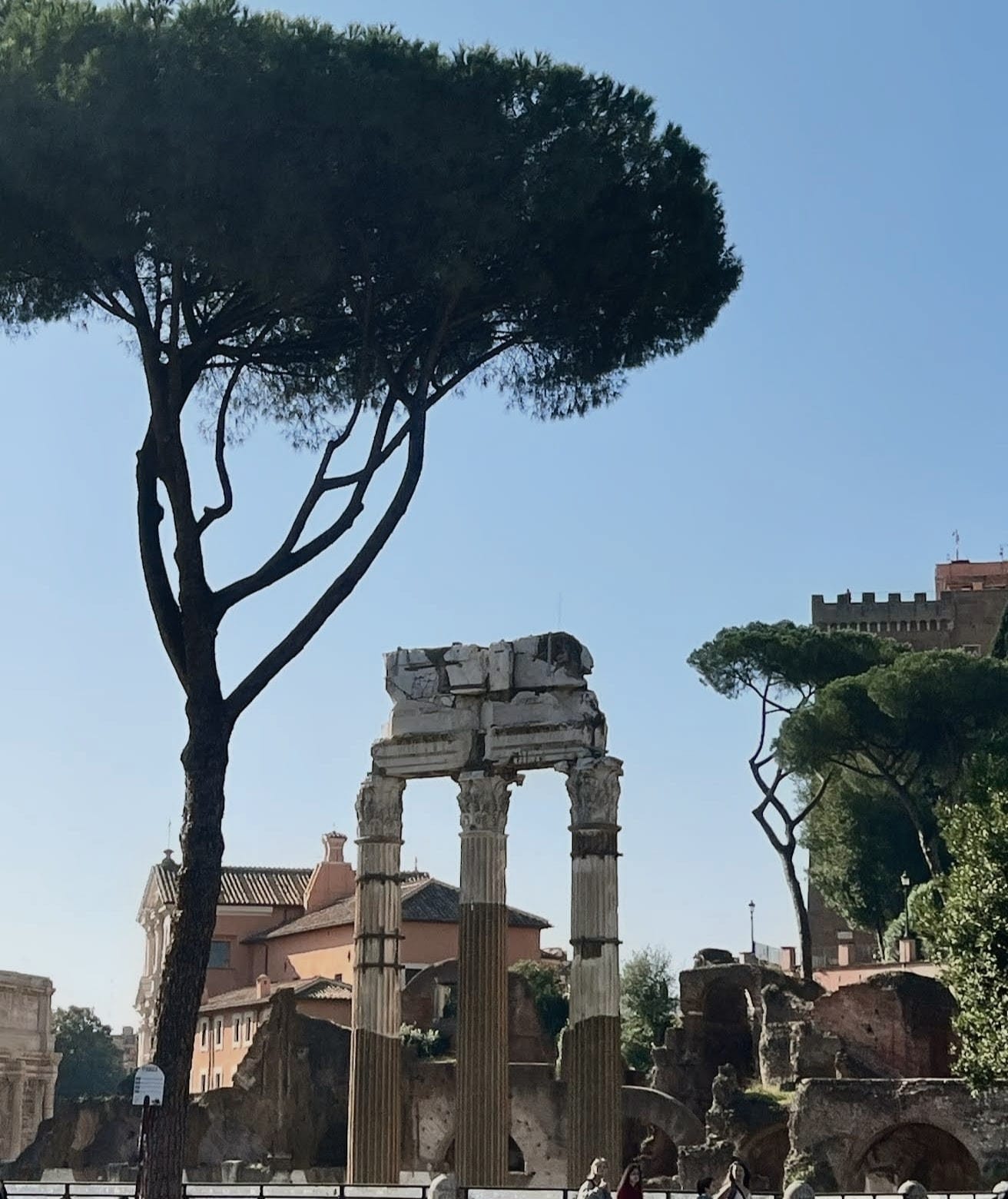
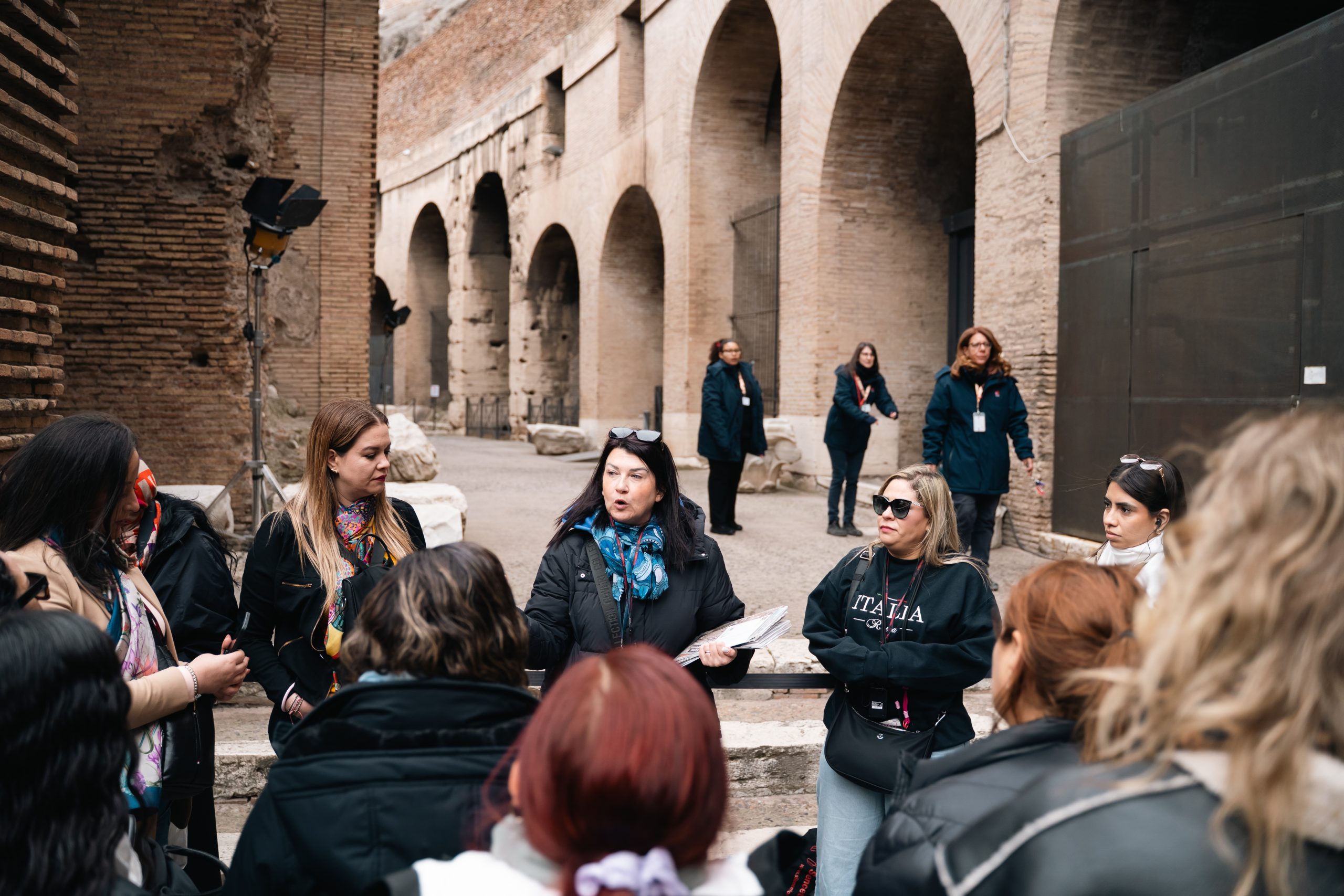
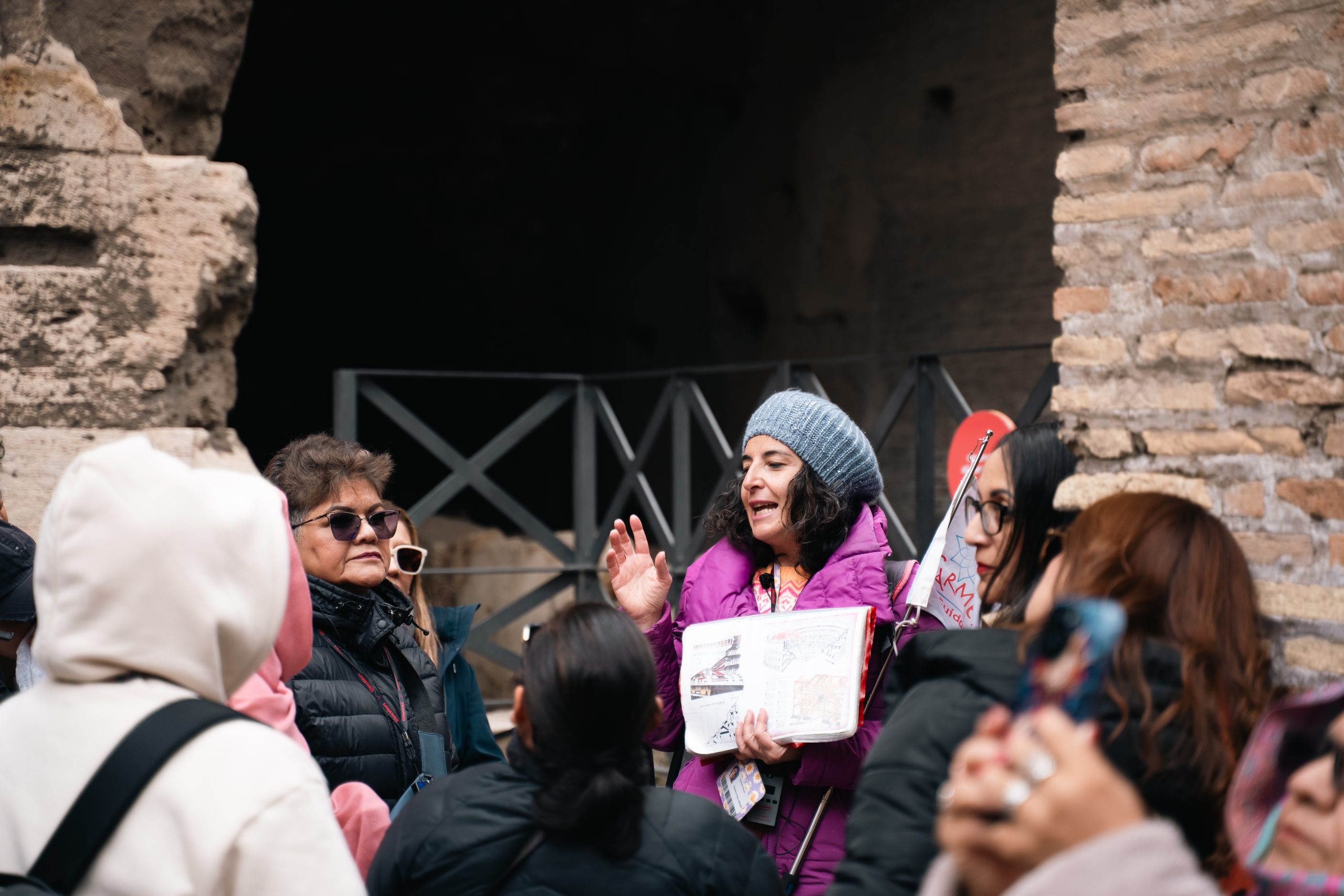
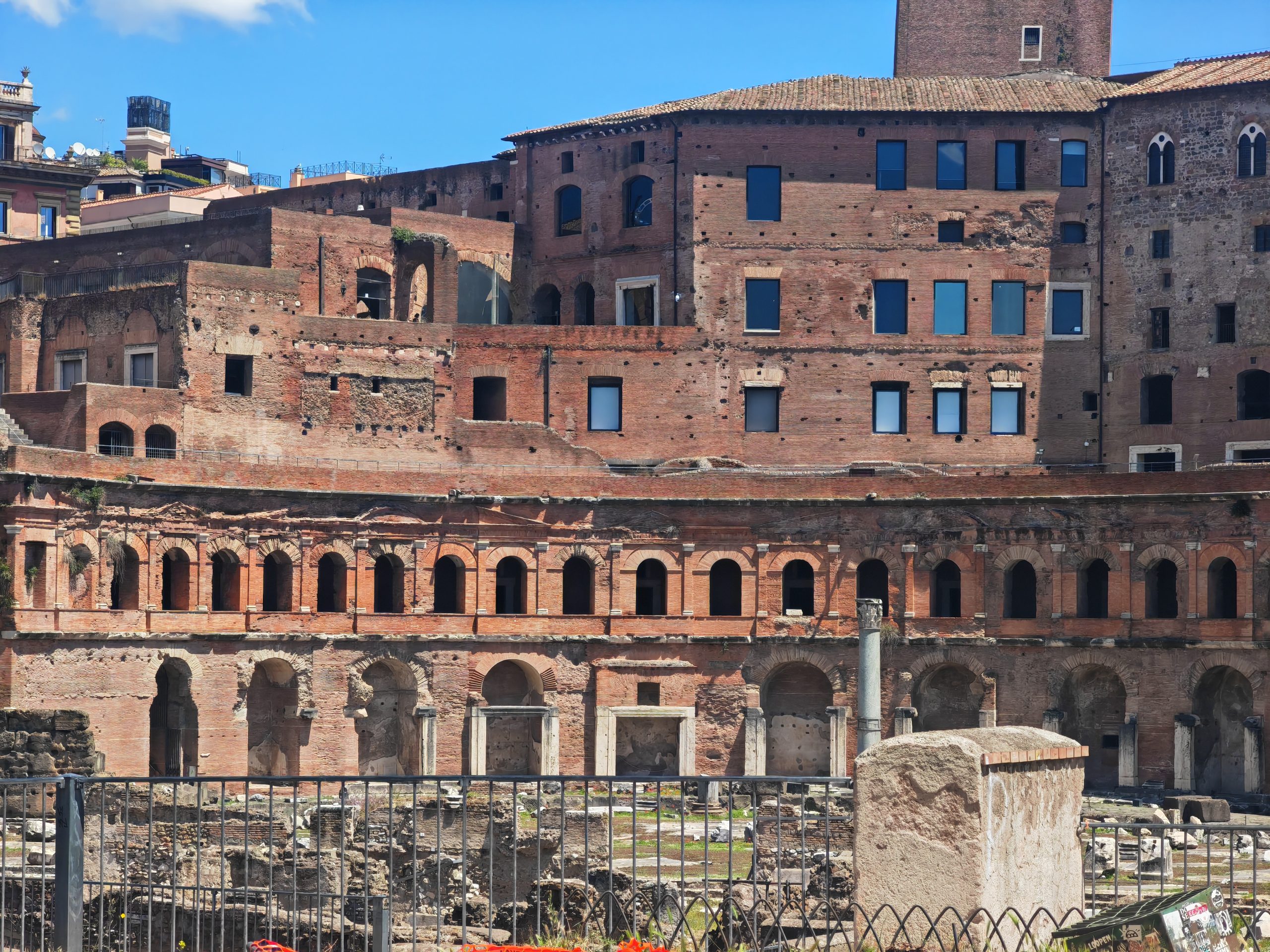
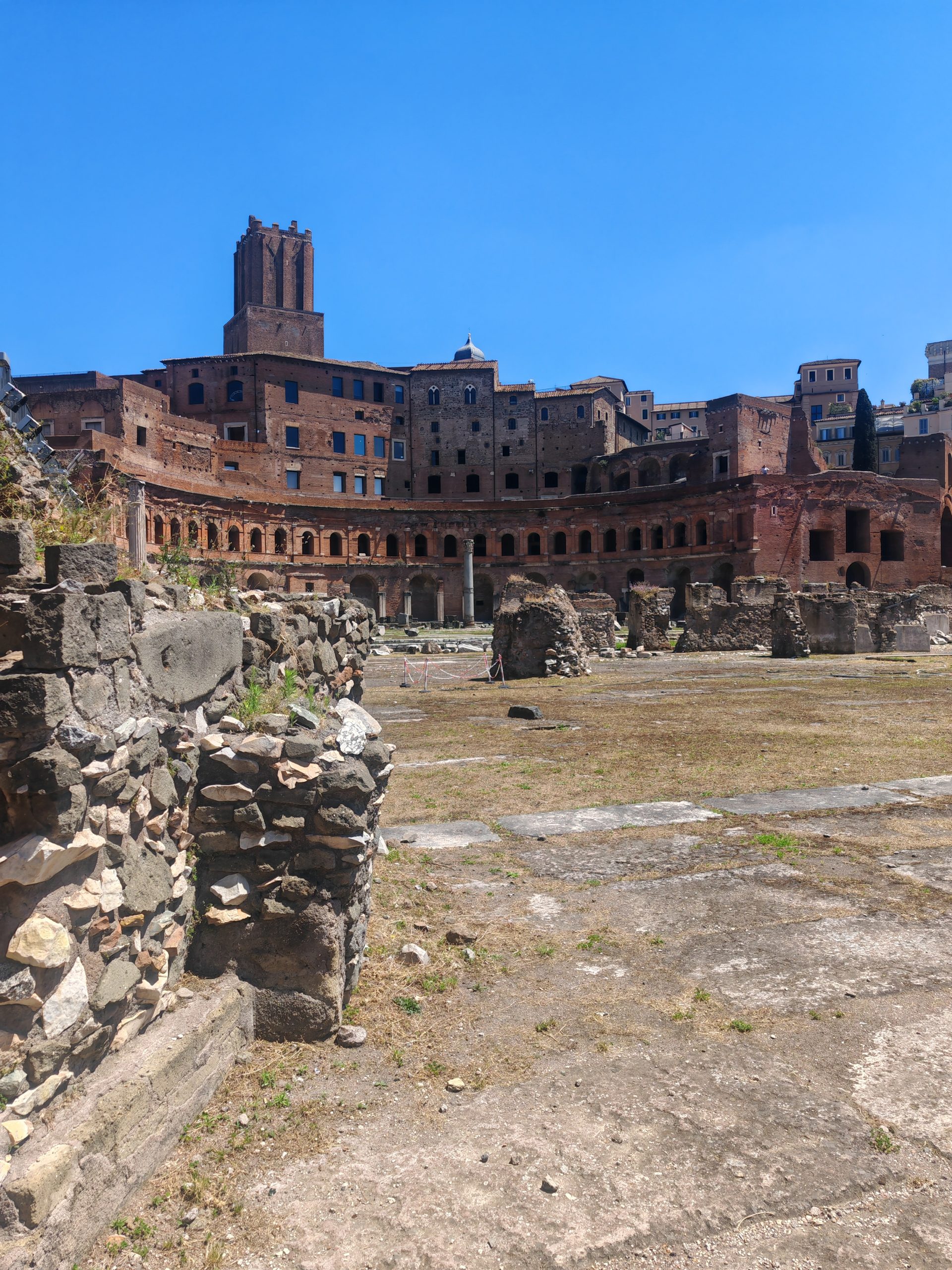
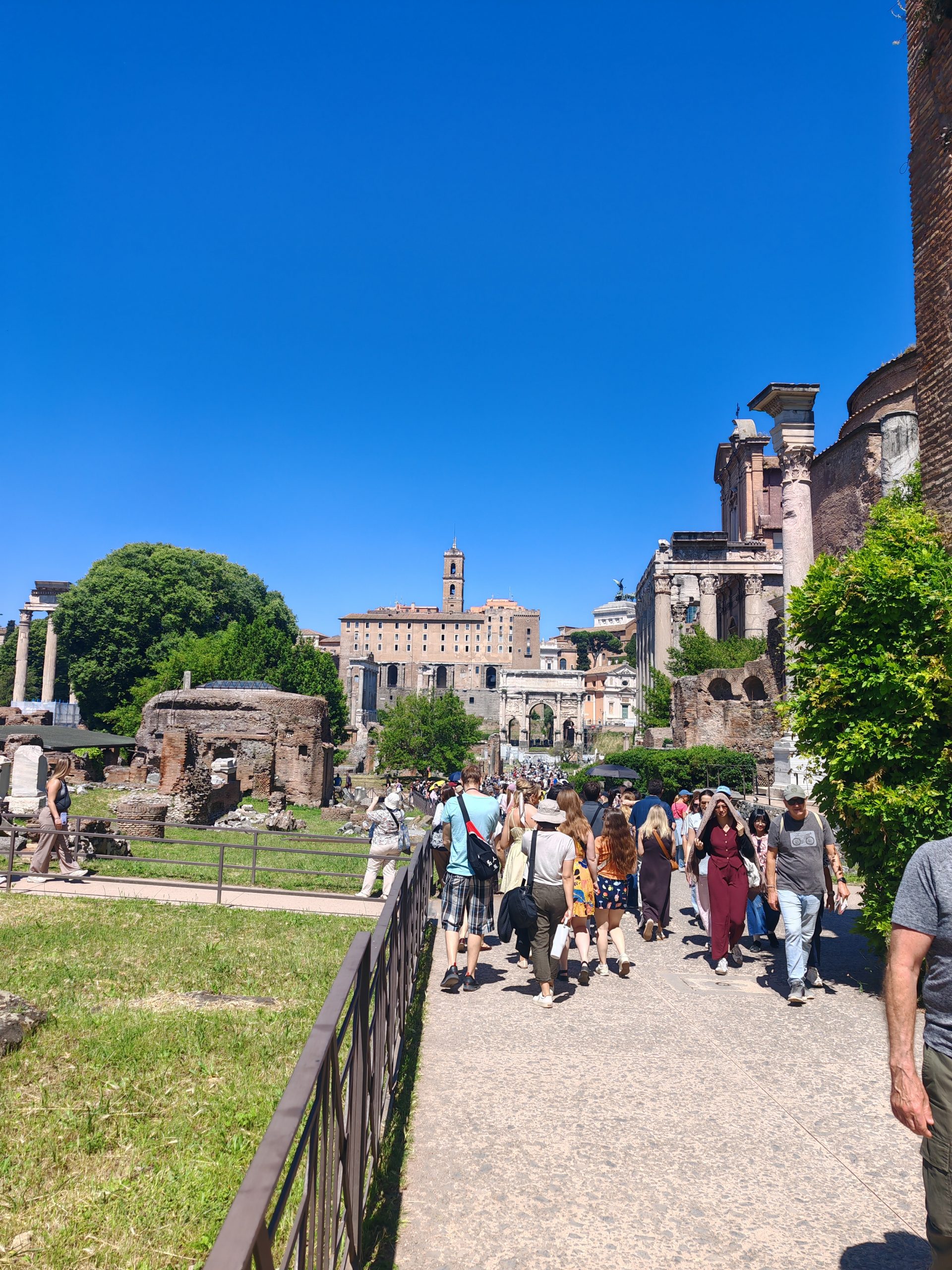
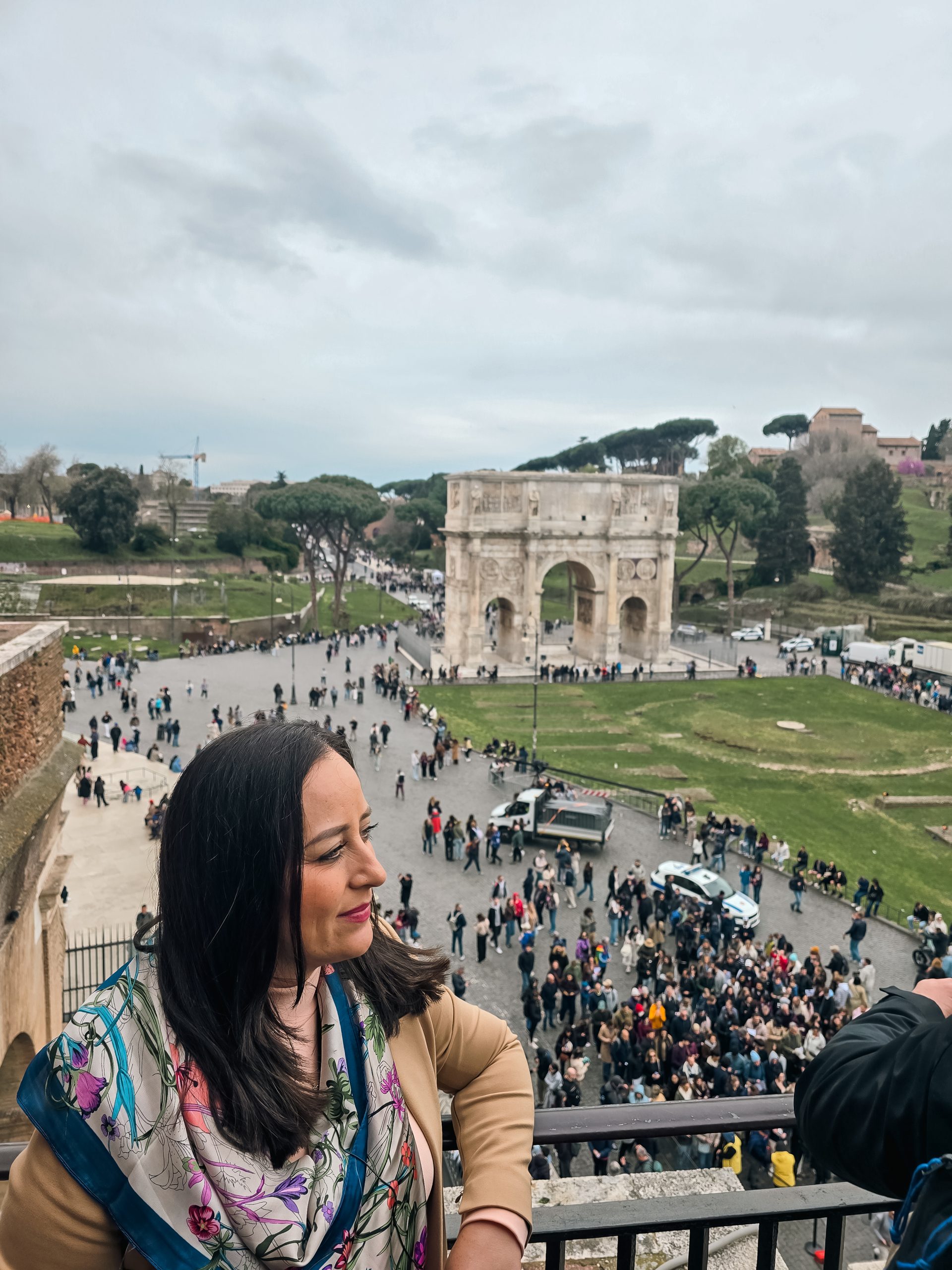
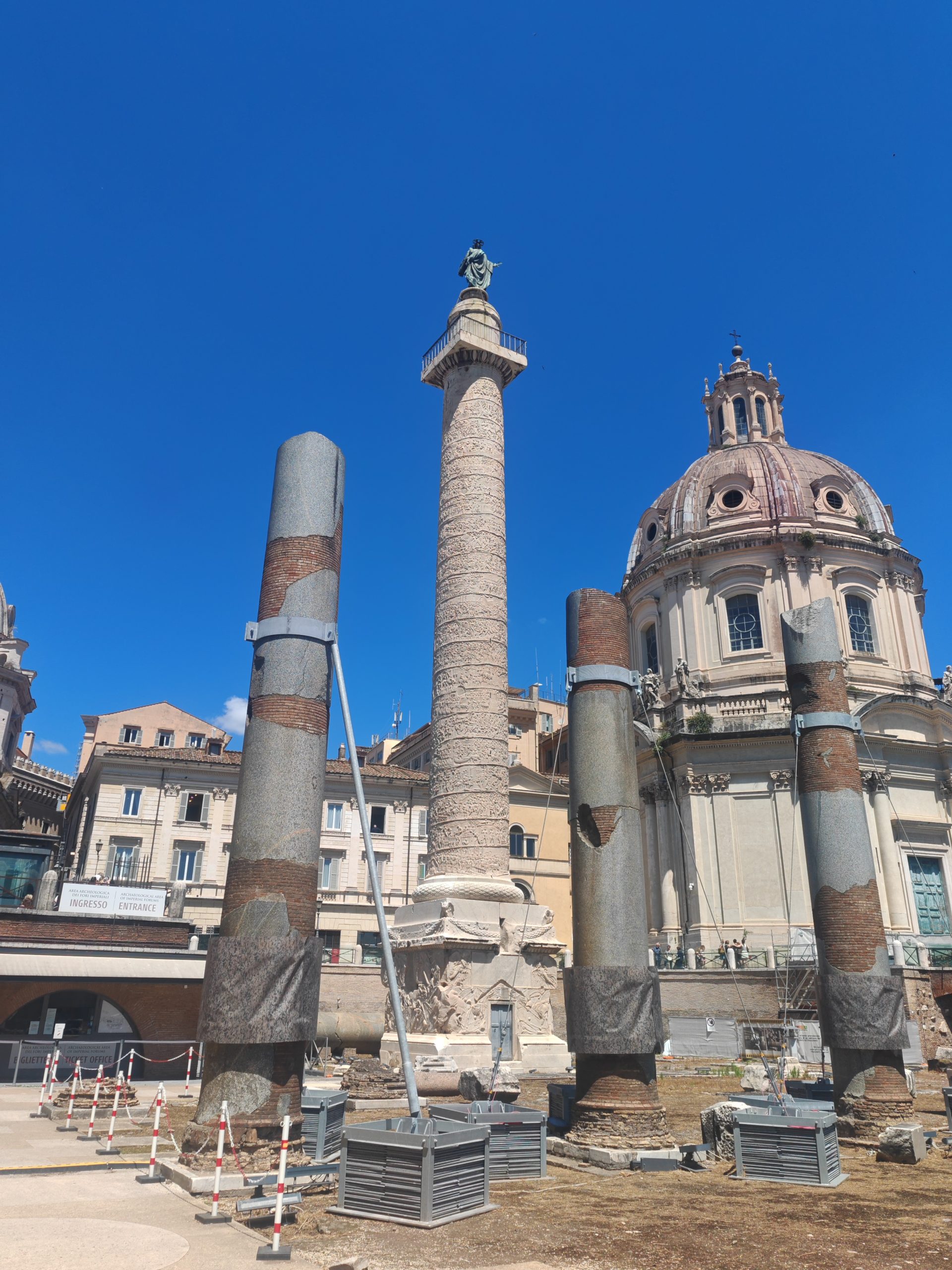
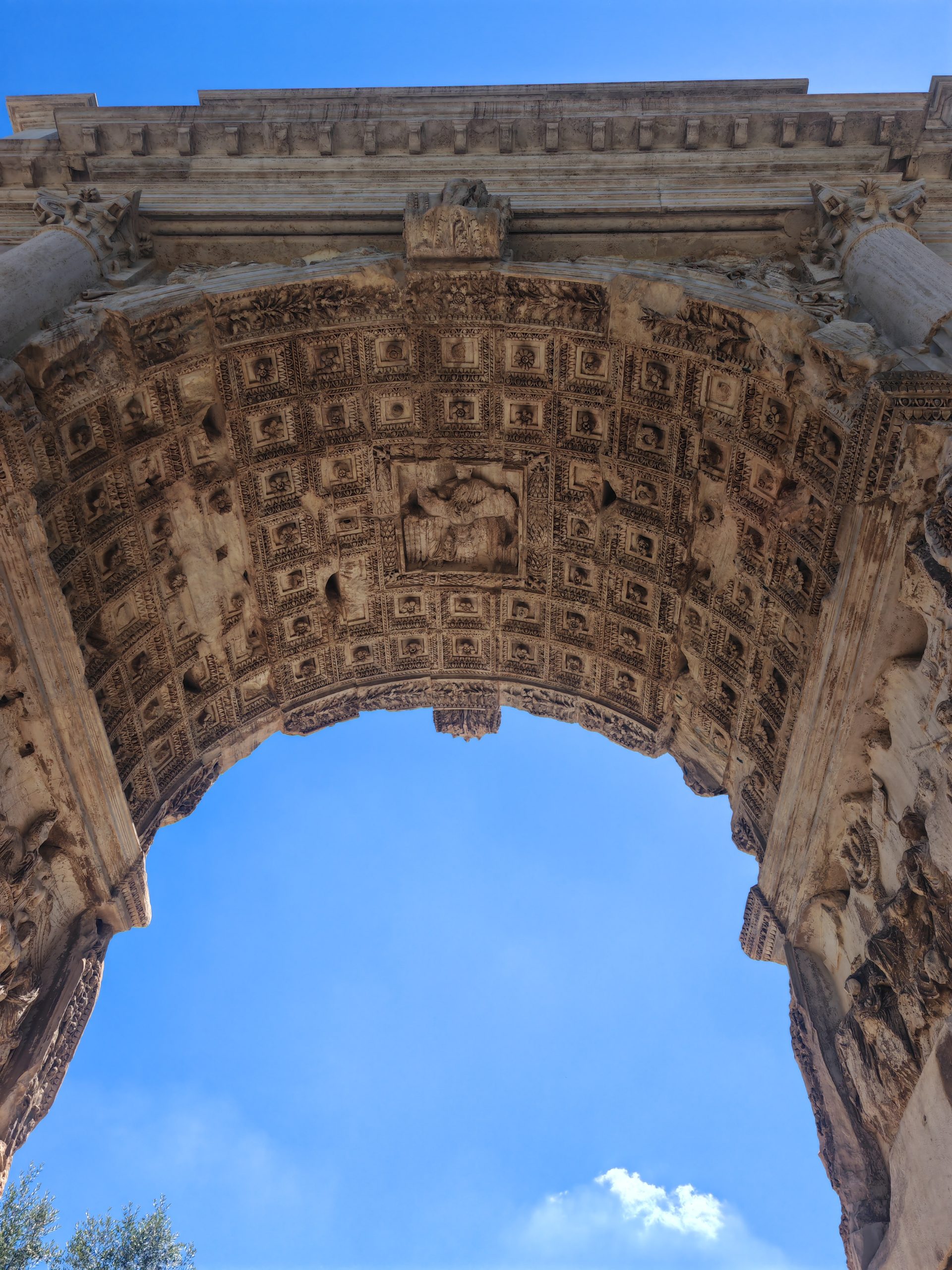
In three hours we cross the full cycle of Roman power: from the construction of consensus to mythical legitimation, and finally to the concrete exercise of authority.